
Galaxy Watch Ultra 2 adds 800mAh battery, costing $699.99
Samsung lifts battery specs and preventive health focus, including a 35% jump on Ultra 2’s 47mm model.
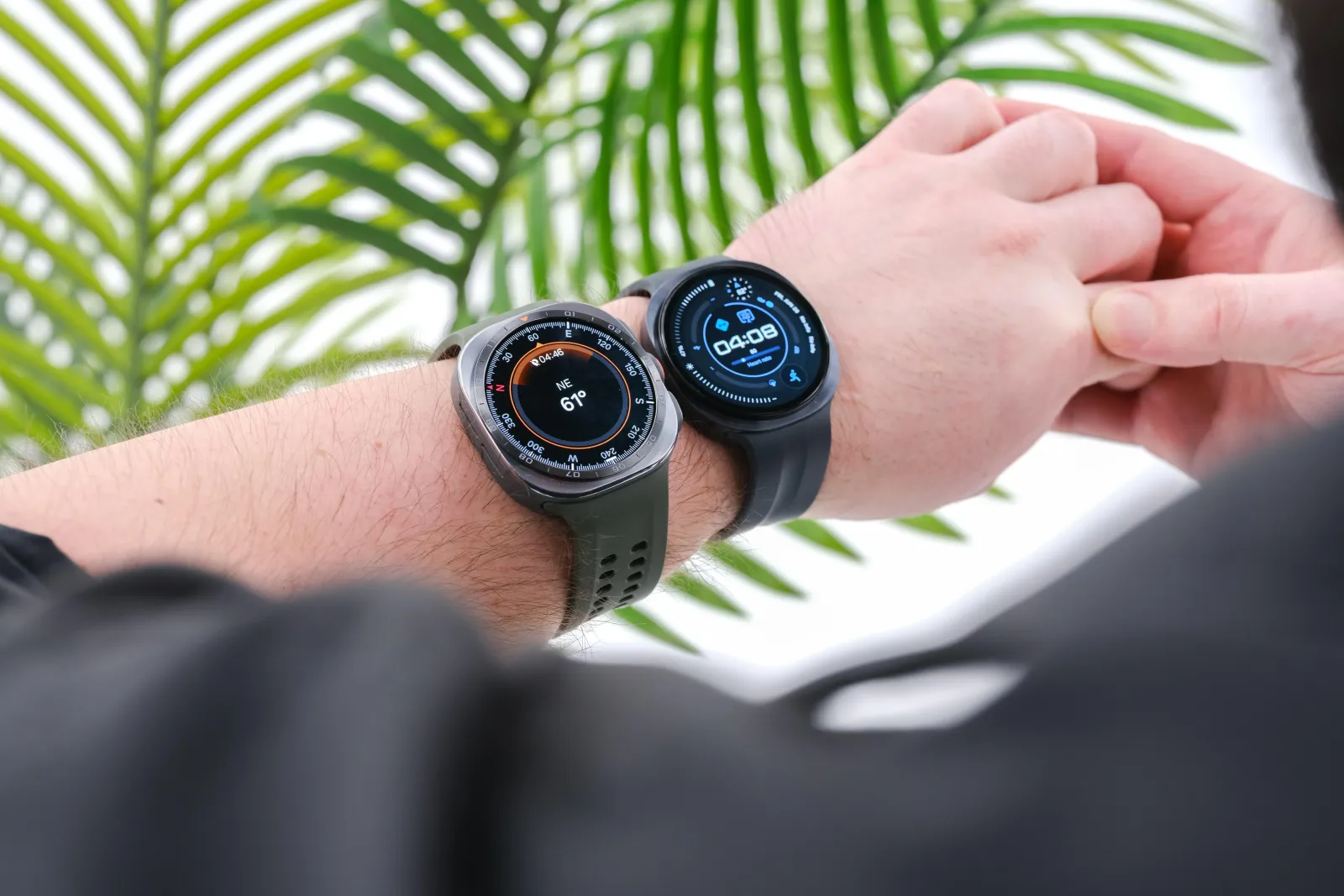
Samsung today announced the Galaxy Watch 9 and Galaxy Watch Ultra 2, with upgrades aimed at wearable battery life and preventive health features. The Ultra 2 refresh is now $699.99 and includes a 47mm 800mAh battery, up 35% from the prior 590mAh figure.
Samsung just made the wearable math harder to ignore: with the Galaxy Watch Ultra 2, the company is pushing battery capacity to 800mAh in its 47mm model, a 35% increase from the 590mAh battery in the original Ultra. That is happening alongside a $699.99 price tag, meaning Samsung is not only selling more endurance. It is also asking customers to pay for it.
That battery bet sits inside a broader “refinement” cycle for the Galaxy Watch line. Samsung says the Galaxy Watch 9 and Galaxy Watch Ultra 2 are being announced today, and the message is consistent across these launches: keep the elements people already like, then tweak the parts where the watches historically have been weaker. In Samsung’s framing, those weaknesses are battery life and preventive health features. In other words, this is not a random design evolution. It is a targeted response to what tends to determine whether a smartwatch becomes daily infrastructure or a battery-draining gadget.
If you are an executive watching the wearables market, the battery angle is the clearest competitive lever because it is the most directly felt by users. Smartwatch value is not just about having sensors. It is about wearing the device long enough for those sensors to be useful. Samsung’s move from 590mAh to 800mAh is a concrete spec that signals a bigger endurance push, and it also changes how the product is likely positioned against competitors that can advertise longer wear times. When the hardware can plausibly last longer, the marketing burden shifts from “look at what it can do” to “it can keep doing it.”
The Ultra 2, specifically, is also a pricing statement. The source notes the Ultra 2 is now $50 more expensive at $699.99. A higher price at the same time as a major battery bump can be read two ways. One, Samsung is betting the extra capacity justifies a premium in a category where many buyers have learned to compare battery claims carefully. Two, Samsung may be trying to keep the Ultra line distinct, so buyers who want a rugged, long-lasting option can justify paying more versus stepping down to another model.
Under the surface, this is where board-level and portfolio-level dynamics tend to matter. Wearables are rarely standalone businesses. They tend to be part of a larger ecosystem strategy: phones, tablets, earbuds, services, and cross-device experiences. Battery improvements can increase retention, which can improve the downstream value of the ecosystem. And preventive health features, the other pillar Samsung is emphasizing, are often the gateway to recurring engagement. Even without specific regulatory claims in the source, preventive health is a category where the line between wellness and regulated medical claims can be sensitive. Companies usually have to be careful about how they describe what their devices do, and exec teams tend to watch how regulators interpret fitness and health monitoring.
That context is important because preventive health features do not just require sensors. They require trust, durability, and enough time-wearing consistency to generate data that feels meaningful rather than intermittent. Samsung’s “year of refinement” framing suggests it is trying to tighten the loop: better battery so the watch is worn more consistently, and better preventive health features so the experience feels like it is contributing day-to-day. If that loop lands, the device stops being a “check-in” product and becomes more of a background companion.
The product strategy also reflects how smartwatch competition often evolves. Early adopters will tolerate short battery life to get the newest capabilities. But mass-market customers typically demand something closer to all-day or multi-day behavior, and they judge wearable value by how often they have to think about charging. A 35% battery capacity increase is one of the most direct ways to address that charge anxiety. And when paired with an explicit preventive health push, it implies Samsung wants to improve both “time on wrist” and “reason to stay on wrist.”
For other executives and operators in wearables, the strategic stake is straightforward: if Samsung can credibly improve battery endurance while positioning preventive health features as a core benefit, it raises the bar for everyone trying to win attention in a crowded category. If you build in this space, you are now forced to compete on more than features. You have to compete on how reliably those features show up in real life, with hardware and software working together long enough for users to form habits. Samsung is making that bet explicitly with the Galaxy Watch 9 and Galaxy Watch Ultra 2, and the Ultra 2’s 800mAh battery plus $699.99 price point is the clearest signal that endurance is a priority, not a side quest.
This story's Key Insights and Take-aways are locked.
Create a free account to unlock Executive Actions for one credit.
Register to UnlockAlways free for Executives Club members. Join the Club
More in Science

2026 Nikon Small World Winners Reveal the Hidden Machinery of Everyday Life
A mycologist's frozen Edinburgh garden became the backdrop for vivid views inside cells, a reminder of what advanced imaging now makes visible to researchers and the industries built on biology.

Study: 1 in 4 depression cases may be a body-clock problem, not a chemical one
A 10,000-person study finds standard antidepressants often fail these patients, but melatonin and morning sunlight may hit the real root cause.

Start-Up Says A.I. Designed a Virus to Attack One Patient's Superbug
If the claim holds up, personalized phage therapy could become a new frontline weapon against antibiotic resistance - but proof is far from final.