

Gareth Damian Martin unveils Signet City, a fungalpunk RPG where players infect a dying city
The Citizen Sleeper creator’s next RPG trades cozy survival for fungal parasite mayhem, with brand-new creative stakes for RPG fans.
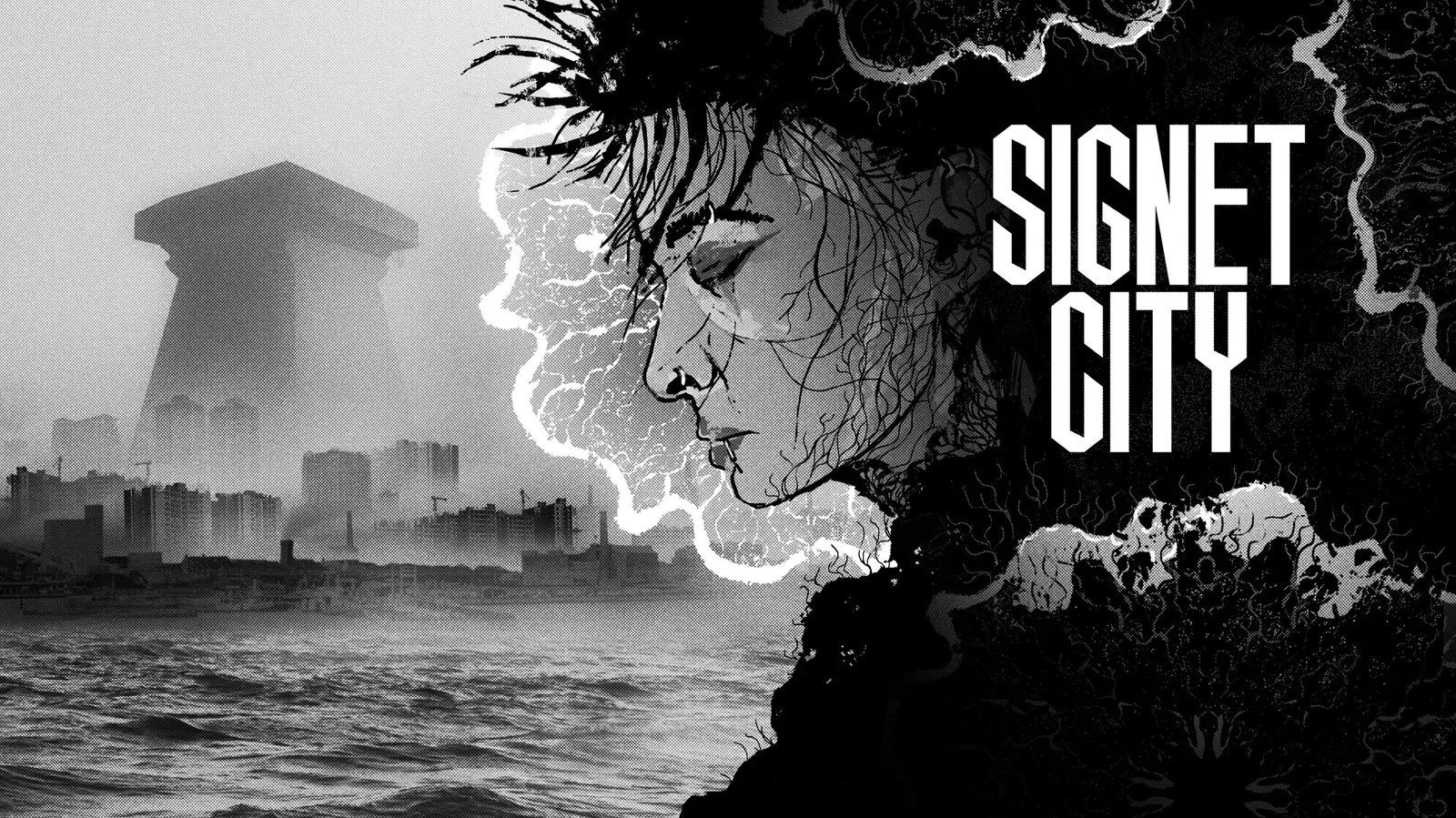
Gareth Damian Martin, creator of Citizen Sleeper, has revealed their latest game, Signet City. The new RPG puts players in the role of a fungal parasite in a dying city.
Gareth Damian Martin, the creator of Citizen Sleeper, has revealed their latest game: Signet City. This time, it is not about managing survival in a contained space. It casts players as a fungal parasite in a dying city, leaning hard into the “fungalpunk” vibe implied by the design and setting.
If you have been watching how narrative RPGs evolve, this is a sharp pivot with a clear reason: it changes what “player choice” feels like. In Citizen Sleeper, the core tension is survival-minded and human-centric. In Signet City, the premise flips perspective. You are not just eking out life in the margins. You are the organism doing the taking, spreading through collapse, and turning a city’s decay into something interactive. That is a different emotional engine, and it matters for how the game could be received by players who expect certain tonal promises from the genre.
So why is Engadget’s announcement worth your attention beyond just another reveal in the feed? Because creator-led RPG identity is increasingly a market asset. Gareth Damian Martin’s name and track record act like shorthand for design intent. When a known creator ships something “new,” publishers and investors typically care less about the genre label and more about the brand signal: does this maintain the audience’s trust, or does it widen the funnel with a novel premise?
Signet City’s “fungalpunk” angle is not just aesthetic. It suggests a thematic focus on infestation, adaptation, and systems behavior, which can translate into distinctive gameplay loops. Even with limited information from the announcement itself, the premise establishes at least three design-level questions developers and studios usually wrestle with: What does the parasite do over time? How does it interact with the environment of a dying city? And what does the game ask players to value, if the protagonist is literally taking over?
There is also an industry context underneath the headline. RPGs are expensive to develop and difficult to market because players cannot fully evaluate them until they see mechanics, narrative voice, and feel. That is why strong premises act like early traction. A fungal parasite is a hook that is legible in one sentence. It can support art direction, marketing copy, and community discussion, all before players know the details. For decision-makers in studios, production teams, and publishing operations, the lesson is practical: narrative games increasingly live or die by whether the pitch is instantly understandable and emotionally specific.
Now add the “dying city” setting, and you get another signal that tends to influence production priorities. Cities are rich systems. They include districts, NPC routines, architectural variety, and resource flows. They also make it easier to stage progression and escalation. If the city is dying, that can create visible progression over time, which helps gameplay readability. You can also infer that the studio may be leaning into environmental storytelling, where the world communicates change even when dialogue stops. That is often where RPGs earn their long tail in reviews and streaming.
There is a second-order consequence for boards and leadership teams watching creator-driven franchises. When a creator expands from Citizen Sleeper to Signet City, the organization implicitly bets that audience trust transfers across premise shifts. Some players will follow the creator, but others come for the specific tone and mechanics. Leadership has to decide how much risk to tolerate when the next title is meaningfully different. The premise here is distinct enough that executives should treat the reveal as more than “another RPG,” and more like a controlled experiment: can the creator’s storytelling and systems sensibilities survive a perspective flip from human survival to fungal infestation?
Strategic stakes for peers are straightforward. If you are a studio operator, a publisher exec, or an investor tracking narrative games, you should notice how Signet City is positioned: a strong, one-sentence concept tied to an identifiable creator, aimed at an audience that likes narrative choice but wants variety in what “choice” actually means. If the game delivers on the fungalpunk premise, it could influence how quickly other studios lean into unusual protagonists and world metaphors. If it disappoints, it will also provide a data point on how far creator identity can stretch before players say, “Yes, but that is not what I came for.”
This story's Key Insights and Take-aways are locked.
Create a free account to unlock Executive Actions for one credit.
Register to UnlockAlways free for Executives Club members. Join the Club
More in Technology

OpenAI says 10,000 agents cracked a 90-year math problem in 88 hours
The company's claim is audacious, but one mathematician is pushing back. Here's what it means for AI-driven discovery.

Meta still serves child sexual abuse ads on Instagram in India - BBC report
A new report following the BBC Eye investigation says the ads are still there - what it signals for every platform with a self-serve ad engine.

White House yanks 'Build the Wall' game after Tetris Company copyright warning
The administration's arcade game vanished in hours - and the takedown playbook every brand can learn from.