

Genetics confirms catfish cancer spreads between fish for the first time
New genetic evidence shows melanomas can be transmissible in fish, reshaping how regulators and boards model disease risk.

Genetic studies reveal catfish melanomas are the first example of a transmissible cancer in fish. That changes the risk landscape for freshwater ecosystems, and for decision-makers overseeing conservation, compliance, and environmental liabilities.
A team studying catfish melanomas has found something that is both biologically startling and operationally inconvenient: transmissible cancer in fish, backed by genetic evidence. The new genetic studies identify catfish melanomas as the first example of a cancer that can spread between fish, instead of arising only from independent mutations within each individual.
Why this matters right now: if cancer can spread in a wild aquatic population, then disease control stops being only about treating sick individuals. It becomes closer to managing contagion dynamics, where the population can face a recurring problem that grows as fish interact and environments facilitate transmission. In other words, this is not just a medical curiosity. It is a new category of environmental risk.
In business terms, think of how boards and regulators usually frame biological threats. Most “environmental health” monitoring treats outbreaks as something that originates, peaks, and then recedes, with interventions aimed at reducing exposure or improving resilience. Transmissible cancer flips that mental model because it suggests the disease mechanism itself can move through the population. Genetic studies are the key detail here: by tracing the cancer’s genetic signatures in catfish melanomas, researchers can argue that what is happening is not purely each fish independently developing cancer, but rather that the cancer can be transmitted.
This matters for New England and beyond, because freshwater ecosystems are tightly networked through water movement, habitat overlap, and human activity. The original reporting frames the story as “Contagious fish cancer overruns New England lake.” Even without adding extra numbers, the headline implication is clear: the phenomenon is not contained to a single isolated case. When a transmissible disease expands, the operational challenge for any organization tied to the water gets bigger, faster, and harder to scope. You can be diligent, and still get blindsided if the disease has a pathway of spread.
Now zoom out to the regulatory and compliance side. Environmental agencies and wildlife managers typically rely on disease guidance that assumes typical transmissible pathogens, not cancers with transmissible behavior. When a credible scientific result lands that expands the definition of what counts as “contagious,” rulemaking and monitoring frameworks can lag behind biology. That creates a period where decision-makers must make practical calls under uncertainty, like whether existing surveillance protocols capture this new risk category, and whether management plans need to include it explicitly.
There is also a governance angle here. Boards overseeing environmental programs, conservation initiatives, or companies with significant freshwater footprint often evaluate risk using past experience. Transmissible cancer is a new twist, so historical analogies may fail. The second-order implication for executives is that they may have to adjust how they communicate risk internally: instead of treating this as a one-off scientific finding, they need to treat it as a potential model shift. If transmissible cancers exist beyond the first example, then the downstream questions multiply, from monitoring to incident response.
Finally, this is a scientific milestone with economic gravity, even if the source is framed as biology news. Cancer is usually understood as a non-transmissible process, driven by changes within an organism. The genetic studies showing catfish melanomas as transmissible in fish introduces a mechanism that could influence how ecosystems recover from outbreaks. Ecosystem recovery affects everything that depends on those ecosystems, including fisheries management, recreational use, and the broader environmental costs that flow from ecological degradation.
Strategically, the takeaway for other leaders in the environmental, research, and regulated ecosystems space is straightforward: build for the possibility that the next “known unknown” is not a pathogen, but a transmissible form of cancer. The catfish story is the first example, based on genetic evidence, which makes it both foundational and a warning sign. If you manage water-related risk, you should assume the disease taxonomy will evolve, and your monitoring and response plans may need to keep up.
This story's Key Insights and Take-aways are locked.
Create a free account to unlock Executive Actions for one credit.
Register to UnlockAlways free for Executives Club members. Join the Club
More in Science
St. Jude reveals RNA regulation lets S. pneumoniae enter antibiotic-tolerant survival mode
A new Cell Host & Microbe study shows how hidden RNA controls help bacteria “pause” under antibiotics and immune pressure.
Genetics targets chestnut blight, aiming to bring back America’s iconic tree in Appalachia
A fungus from Asia nearly erased the American chestnut. New genetic approaches are now trying to restore it.
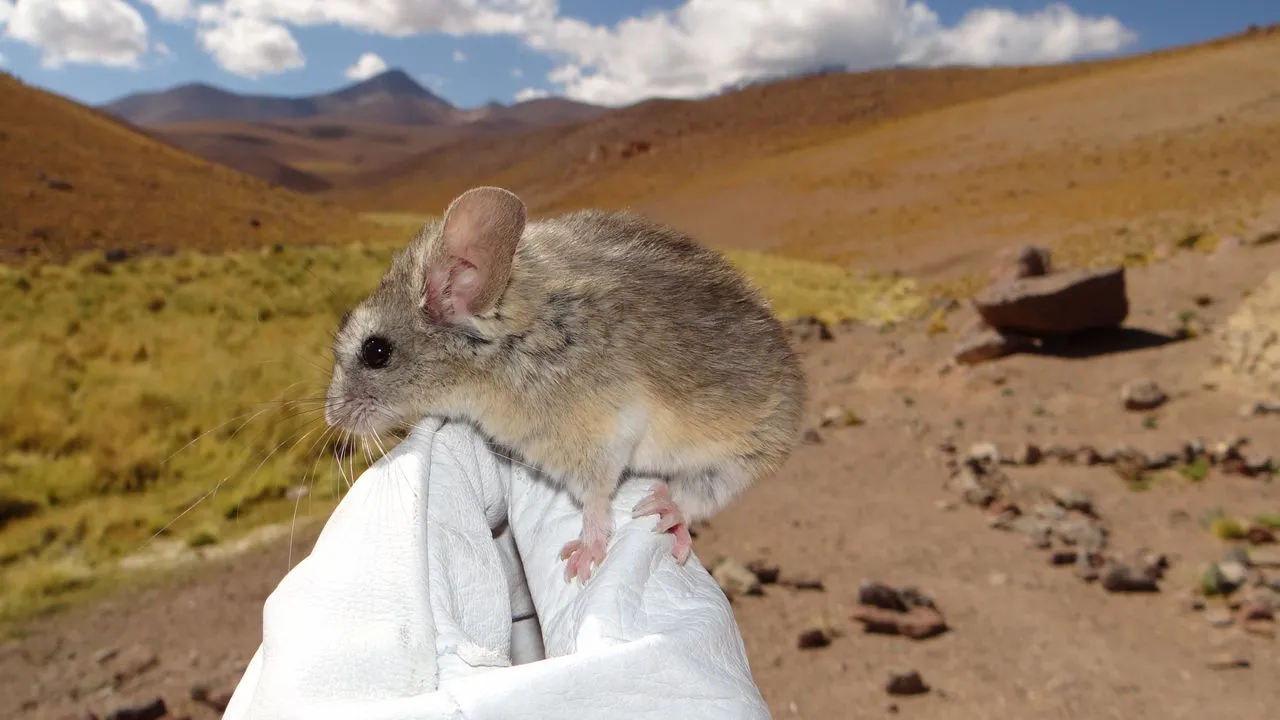
Mice survive 22,110 feet on frozen volcanoes by eating toxic plants
A July 9 Science study maps the genetic and physiological hacks that let Andean leaf-eared mice thrive where humans cannot.