
God of War Laufey ditches Kratos to solve PlayStation's repetitive gameplay crisis
By swapping the series' icon for Faye, Santa Monica Studio is testing a high-stakes pivot toward mechanical diversity in an era of stagnant sequels.
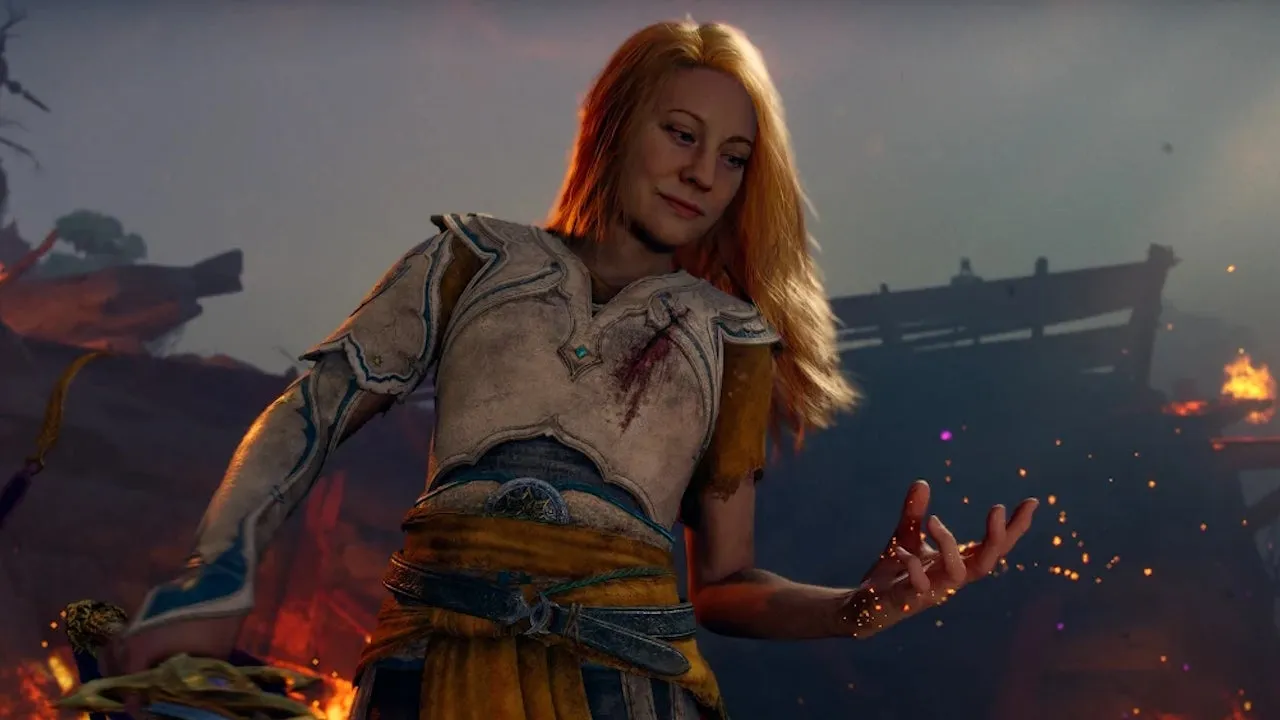
Santa Monica Studio is pivoting the God of War franchise away from Kratos to follow Faye, also known as Laufey, in a new title. This move represents a strategic attempt to break the cycle of mechanical stagnation currently plaguing PlayStation's first-party development pipeline.
For 21 years, the God of War franchise has been synonymous with one man: Kratos. But in a move that signals a massive shift in creative direction, Santa Monica Studio is officially leaving the series' most iconic protagonist behind. The upcoming God of War Laufey will feature Faye, Kratos' wife and the mother of Atreus, as the central hero. This is not just a cosmetic change or a simple narrative expansion; it is the first time in the franchise's two-decade history that the series has fundamentally shifted its perspective and gameplay identity.
During a recent State of Play showcase, 20 minutes of gameplay revealed that Faye's combat style is a radical departure from the heavy, axe-and-blade brutality of her husband. While Kratos relied on flesh-ripping finishers and heavy slams, Faye utilizes agile, fast-paced swordplay characterized by magical sword swings and aerial juggling. This mechanical pivot is designed to solve a growing problem within the PlayStation Studios ecosystem: the tendency for high-budget sequels to feel like full-length expansions rather than true new iterations. By changing the protagonist, the developers are forcing a change in the actual player experience, ensuring the game does not feel like a mere reskin of previous entries.
This strategic gamble comes at a time when the industry is grappling with increasingly long development cycles. In an era where AAA titles often require six to seven years between releases, the cost of stagnation is higher than ever. When development windows are short, studios can afford to iterate on a proven formula. However, when a studio is looking at nearly a decade between major installments, the audience demands something fresher. The current PlayStation landscape has faced criticism for games that feel cut from the same cloth, where characters like Jin and Atsu in the Ghost series, or Nathan Drake and Chloe Frazer in Uncharted, may have different personalities but remain mechanically identical under player control.
Director Ariel Lawrence notes that Faye is not a 'brick wall' like Kratos, but is every bit as much of a warrior. The development team has worked to marry the fluidity of the original Greek saga's combat with the gritty, up-close personal feel of the Norse era. This new iteration introduces elements of Japanese character action games, allowing Faye to launch herself and her enemies into the air for high-speed combos. Furthermore, the inclusion of Jötunheim spellcasting and magic-infused combat provides a level of curiosity and exploration that Kratos' more measured approach might not have allowed. This isn't just about adding new buttons; it is about changing the fundamental questions the gameplay asks of the player.
Successful precedents for this kind of mechanical divergence exist, most notably in Naughty Dog's The Last of Us series. While Ellie and Joel might share certain control inputs, the gameplay environments and tools available to them-such as Ellie's emphasis on stealth and scavenging versus Abby's more militarized, frontline combat-create distinct psychological and tactical experiences. God of War Laufey appears to be aiming for this level of depth, using Faye's unique toolkit to forge a connection to the character that goes beyond what is delivered in cinematic cutscenes.
For executives in the gaming and entertainment sectors, the stakes of Laufey's success are high. The project serves as a litmus test for whether a legacy IP can survive the removal of its primary mascot. If Santa Monica Studio succeeds in making Faye feel as essential as Kratos while providing a fundamentally different mechanical loop, it provides a blueprint for other studios facing the 'sequel fatigue' trap. If they fail, they risk alienating a massive fan base built on two decades of Kratos-centric muscle memory. The industry is watching to see if mechanical diversity can be scaled alongside cinematic spectacle.
This story's Key Insights and Take-aways are locked.
Create a free account to unlock Executive Actions for one credit.
Register to UnlockAlways free for Executives Club members. Join the Club
More in Entertainment

Christopher Nolan’s “The Odyssey” posts his biggest Tuesday haul, surpassing “The Dark Knight’s” record
The film’s Tuesday breakout reframes Nolan’s box-office ceiling and forces competitors to rethink timing, budgets, and release strategy.

Kacey Musgraves cancels Aug. 20, 29, Sept. 2 Middle of Nowhere shows
Ticketmaster emails are telling fans refunds are coming, while the tour still starts Aug. 21 in Chicago.

Billie Joe Armstrong launches Epiphone Les Paul Junior and Marshall 1959BJA signature gear
Two limited releases turn decades of Green Day’s tone into branded hardware, including Marshall’s first artist amp in 14 years.