
Good Hero starts “Ballerina 2” animation sequel, adding a TV series to the universe
The Paris studio moves production this month, launching a broader animated franchise that rides the original’s 10th-anniversary moment.
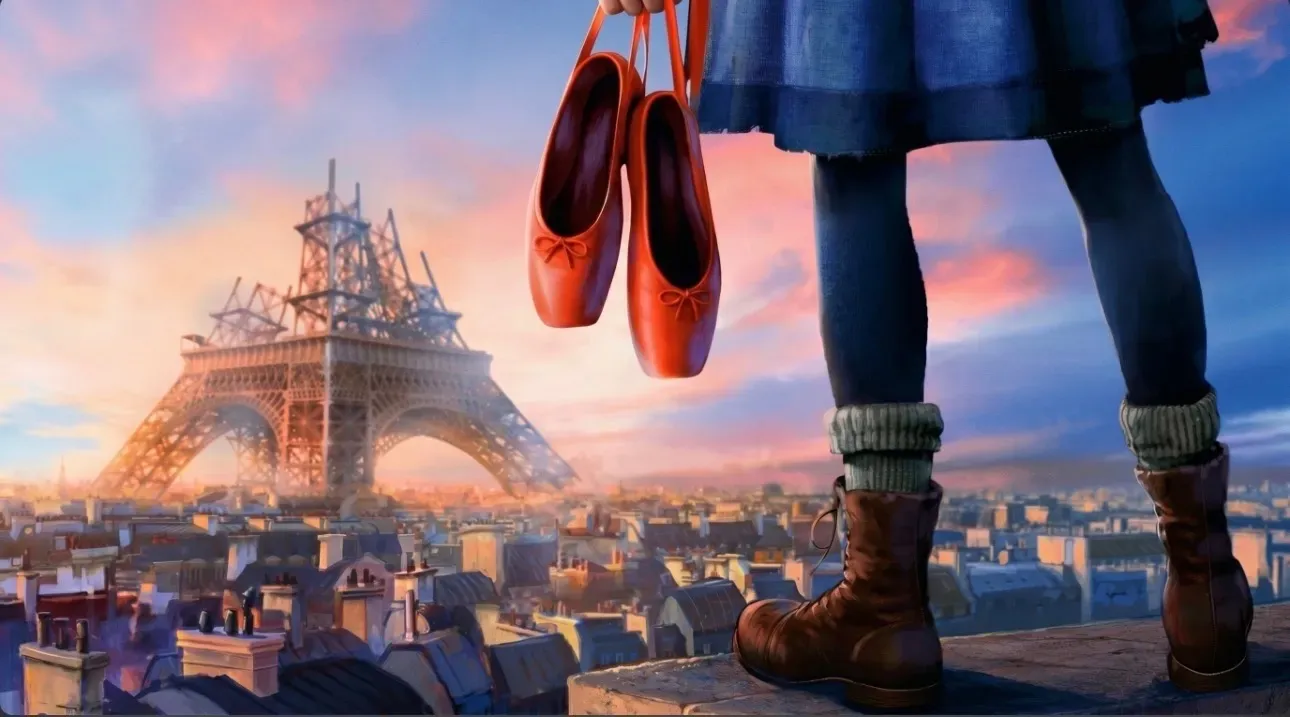
Paris-based production company Good Hero has announced feature animation “Ballerina 2” and a companion TV series, expanding the animated universe from the aspirational 2016 hit “Ballerina.” The sequel’s production begins this month, on the eve of the 10th anniversary of the original film’s successful release.
Good Hero, the Paris-based production company, is officially expanding its animated “Ballerina” world. The studio has announced “Ballerina 2,” a sequel to the aspirational 2016 film “Ballerina,” which was released in the U.S. under the title “Leap!” And it is not stopping at a second feature: Good Hero is also bringing a TV series into the same animated universe.
The timing is the tell. Production on “Ballerina 2” begins this month, explicitly on the eve of the 10th anniversary of the original film’s successful release. That matters more than it sounds. Feature sequels are not just creative events. They are brand finance decisions. You do not pick a decade milestone unless you believe you can reactivate audience memory, nostalgia, and catalog value right when attention cycles are most likely to spike.
To understand why executives care, zoom out to how animated franchises typically behave in the market. When a film finds repeatable audience appeal, studios and distributors often treat it like a content engine, not a one-time product. The “Ballerina” IP being developed into both a feature sequel and a TV series signals a franchise strategy: convert a one-off theatrical entry into a longer lifecycle of programming, home entertainment demand, and cross-platform discovery. The U.S. title detail, “Leap!”, also hints at a distribution playbook built for different territories, which can help when you are mapping how audiences come to the IP in the first place.
This is also a classic “timing and leverage” move for a production company. The company is starting work on the sequel now, aligning it with a clear narrative marker, the original film’s 10th anniversary. Anniversary windows can create outsized marketing pull. They give press and partners an easy hook: “the story returns.” That can reduce uncertainty for downstream collaborators like broadcasters, streaming partners, and merchandising licensees, because the IP already has a demonstrated baseline and a built-in storyline for audience re-entry.
There is another strategic layer here: building a TV series alongside a feature can stabilize revenue expectations. A sequel alone often has a higher dependency on box office timing and audience turnout, while episodic content can keep the brand active between major releases. Even if the theatrical product faces variability, the universe stays in rotation. For boards and executives, that is the second-order benefit. Franchise expansion can smooth cash flow profiles across different content formats, which can matter when budgets, talent schedules, and distribution windows shift.
Good Hero’s move also reflects how animated IP increasingly gets valued as a system. Today, the question is rarely whether an animated film can be profitable at release. The bigger question is whether it can become a sustainable platform for additional storylines. A companion TV series attached to a sequel concept is a direct answer to that question: it suggests the company wants the “Ballerina” universe to keep earning after the theater lights go down.
Finally, the industry incentive structure is obvious to anyone underwriting production. Investors and financing partners want multiple paths to monetization: licensing, distribution rights, and brand extensions that can travel with fewer conceptual risks than fully new properties. By doubling down on an established 2016 hit, Good Hero is choosing familiarity, but not stagnation. The sequel signals creative continuation, while the TV series signals operational continuation. Together, they imply an intent to turn a successful story launch into an ongoing IP pipeline.
For executives at peers considering their own slate, the strategic stakes are simple: content cycles are tightening, and audiences have more options than ever. When a studio times a sequel’s production around a decade milestone, and pairs it with TV expansion, it is trying to win attention twice. Once for the return of the feature, and again for the sustained presence of the world. In a crowded animation landscape, that combination can be the difference between a fleeting hit and a durable franchise.
This story's Key Insights and Take-aways are locked.
Create a free account to unlock Executive Actions for one credit.
Register to UnlockAlways free for Executives Club members. Join the Club
More in Entertainment

Spain crushes Saudi Arabia 4-0 on June 21, 2026, with Lamine Yamal at the center
A teenage debut spark avoids a shaky start and immediately changes the tournament narrative for Spain.
Best Friend Forever sells Chimney Town to Arthouse, HBO Max, and MegaCom across Europe
Distribution rights for France and Eastern Europe lock in ahead of Annecy, reshaping who controls the next wave of Japanese animation.

Aardman and Pokémon Company lock in 2027 for Sirfetch'd & Pichu stop-motion
New Annecy artwork and synopsis spell out a UK-flavored Galar adventure and what Aardman’s stop-motion will change.