

Google cloud 'power event' stalls UK courts, freezes bank payments
A single-zone failure at Google's London data center disrupted court hearings and left millions unable to pay or move money, exposing the fragility of cloud concentration.

Google's cloud outage in London on Tuesday, caused by a 'power event' in its europe-west2-b zone, disrupted UK courts and left customers of Lloyds, HSBC, and Revolut unable to access or send cash. For decision-makers, the incident underscores the operational and reputational risk of relying on a single cloud provider or zone for critical services.
On Tuesday, a 'power event' at Google's London cloud operations knocked out its europe-west2-b zone, stalling court hearings and leaving millions of customers at Lloyds, HSBC, and Revolut unable to pay or move money. The outage hit the heart of the UK's digital infrastructure, proving that a single failure in one data center zone can freeze the machinery of daily life.
Google said services were restored for most users, but the disruption had already done its damage. Court hearings were delayed, payments failed, and customers were locked out of their accounts at critical moments. For anyone who has ever been stranded without access to their money, this was a stark reminder that 'the cloud' is not a magical abstraction; it is physical infrastructure with power, cooling, and network dependencies that can and do fail.
The incident centers on Google's europe-west2-b zone, one of several availability zones within its London region. Cloud providers design these zones to be isolated from each other, so a failure in one should not affect the others. But that isolation only works if customers actually spread their workloads across multiple zones. Many organizations, especially those that moved quickly to the cloud, run critical applications in a single zone, either to save costs or because they never configured redundancy. This outage is a textbook case of that risk becoming reality, and it echoes similar incidents across the industry where a single-zone failure took down services for hours.
For the UK's financial sector, the stakes are particularly high. Banks like Lloyds and HSBC, along with digital challenger Revolut, are not just using cloud for internal IT; they are running customer-facing payment systems on it. When the cloud goes down, customers cannot pay, cannot transfer, and cannot access their balances. The Bank of England, the Financial Conduct Authority, and the Prudential Regulation Authority have all been pushing for greater operational resilience, with rules that require firms to map their dependencies on third-party providers and test their ability to withstand disruptions. This outage will likely accelerate those efforts and prompt regulators to ask tougher questions about concentration risk, especially whether banks have adequate fallback plans when a hyperscaler fails.
The legal system is also exposed. Courts rely on cloud-based case management systems, scheduling tools, and video conferencing for hearings. When the power event hit, hearings stalled, and the justice system experienced its own form of downtime. This is not just an inconvenience; it can have real consequences for defendants, plaintiffs, and legal deadlines. In a system already under pressure, a cloud outage adds another layer of fragility, and it raises questions about whether judicial processes should be designed to tolerate infrastructure failures.
For Google, this is a reputational blow. The company has marketed its cloud as reliable and enterprise-grade, and it has been gaining ground on AWS and Azure. A high-profile outage in a major financial center will give enterprise customers pause. But the bigger lesson is for the customers themselves. No cloud provider can guarantee 100% uptime, and 'power events' are a known failure mode. The question is not whether a provider will fail, but when, and whether your architecture can survive it. For banks, courts, and other critical services, the answer increasingly determines their ability to operate under stress.
For executives and boards, the takeaway is clear: audit your cloud architecture now. Identify which critical workloads run in a single zone or region, and ask whether you have tested failover in the event of a power failure, not just a network or software issue. The cost of redundancy is real, but the cost of an outage like this, in customer trust, regulatory scrutiny, and legal disruption, is far higher. The cloud is not a place; it is a set of dependencies, and those dependencies need to be managed with the same rigor as any other critical infrastructure. This incident is a wake-up call to treat cloud resilience as a board-level priority, not just an IT concern.
This story's Key Insights and Take-aways are locked.
Create a free account to unlock Executive Actions for one credit.
Register to UnlockAlways free for Executives Club members. Join the Club
More in Technology

Apple's First Foldable Is Astonishingly Good. The Catch: iOS and Apps
The iPhone Duo nails the hardware, but the review warns iOS and third-party apps need time to catch up. Here's what that means for buyers and developers.
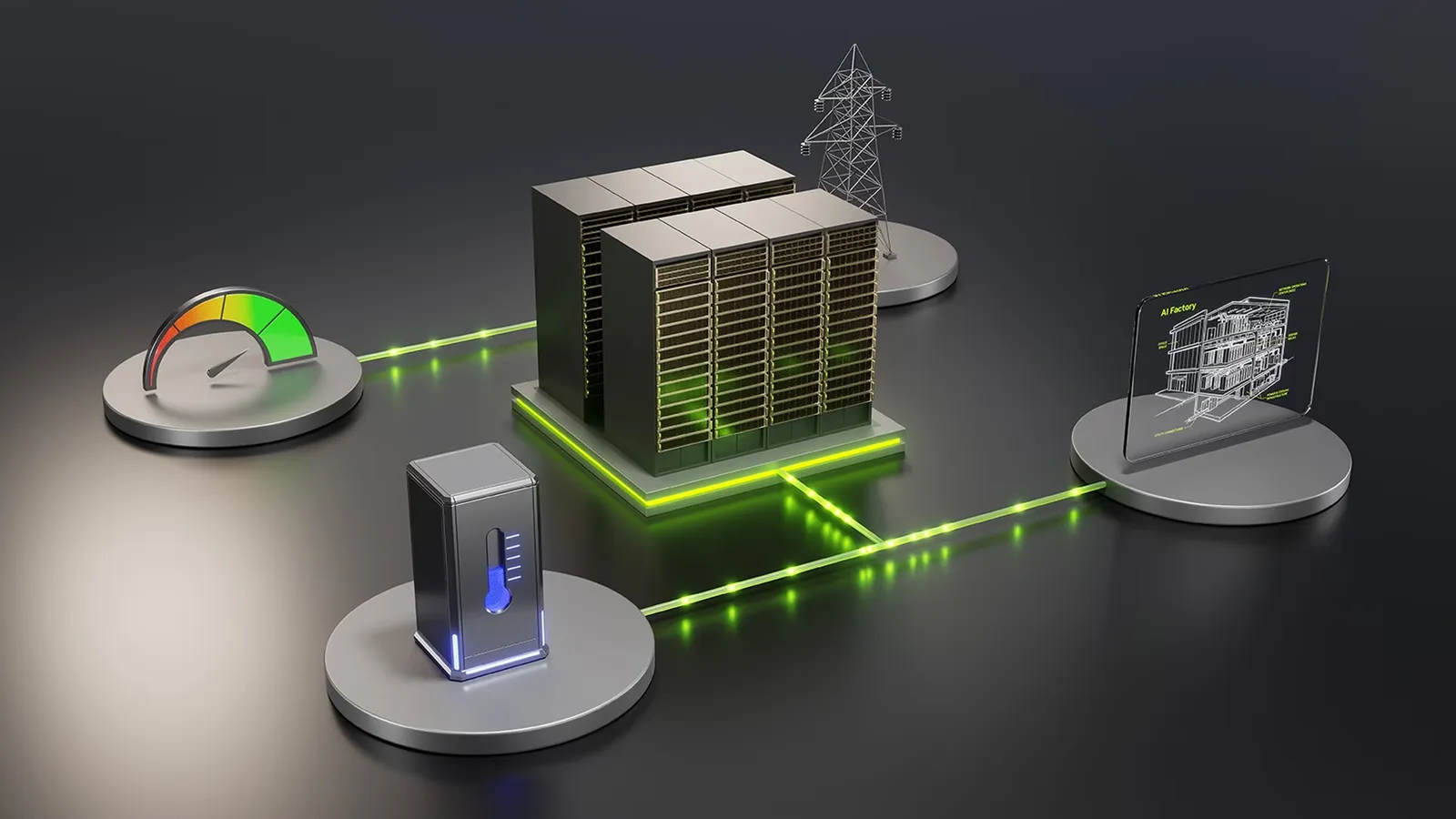
AI data centers guzzle water. Nvidia's DSX blueprint can cut it to near zero
European infrastructure firms are building AI factories on Nvidia's DSX reference design, which the chipmaker says slashes cooling water use to almost zero.

Nvidia's 'AI trailer parks' cut datacenter buildouts from 6 months to 2 weeks
Nvidia's DSX pods, fully wired modular containers, promise to shrink AI factory deployment from six months to two weeks, starting with Vera Rubin systems in 2027.