
Google Readies Earnings as China’s AI leaps force new spending scrutiny for Alphabet
Fast-moving Chinese AI models are resetting expectations, raising fresh questions about how much Alphabet and peers can justify.
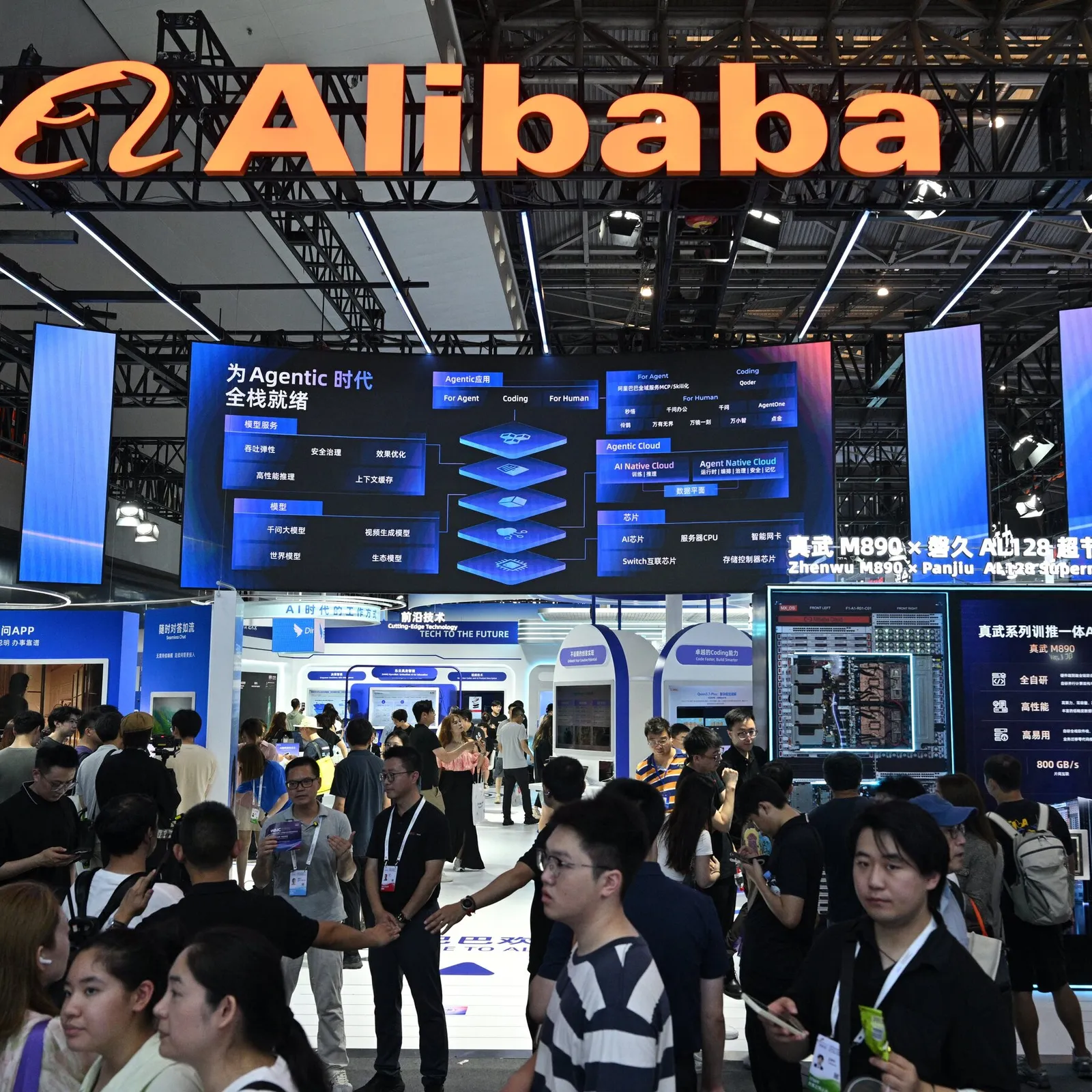
Google’s parent, Alphabet, is preparing to report earnings as rapid advances in Chinese artificial intelligence models intensify scrutiny of costly technology spending. For decision-makers, the consequence is a renewed test of capital discipline: whether big AI bets translate into defensible returns by the time results hit.
Alphabet, Google’s parent company, is approaching its earnings report while rapid advances in Chinese artificial intelligence models raise more questions about costly technology spending. Translation: the AI arms race is no longer just about who can build models faster, it is about who can spend without breaking the business.
This matters ahead of earnings because investors and board members do not evaluate AI like a moonshot they can hold forever. They evaluate it like an operating reality. When Chinese AI capabilities move quickly, it pressures everyone holding a large AI budget to explain what each dollar buys: competitive advantage, efficiency, or long-term monetization. The timing is brutal. Alphabet is about to report results, and those numbers will land in a world where competitors and regulators are watching technology spending with sharper eyes.
To understand why this creates a “fresh tests” moment, it helps to look at how AI spending typically works. Training and scaling models can be expensive and resource-heavy, and the costs do not always map cleanly to immediate revenue. Even when companies are building product features or platform tools, the payoff can lag. That lag is manageable in a stable environment. It gets harder when another region’s model progress accelerates, effectively compressing the window for being “early” and expanding the pressure to keep pace.
China’s model advancements are also a strategic accelerant. In markets where capabilities improve quickly, the competitive baseline shifts. A system that looked state-of-the-art last quarter can feel behind after another wave of releases. For a company like Alphabet, that means AI is not just a line item. It becomes a recurring justification problem for executives: boards want confidence that the spending is protecting the core business, not just funding the appearance of momentum.
There is also a regulatory backdrop that executives cannot ignore, even if today’s story is about technology progress and earnings timing. AI regulation across major economies tends to focus on safety, transparency, and usage. That can change what companies are allowed to deploy, how they document performance, and how quickly they can roll out new capabilities. If regulatory constraints rise at the same time as model capability advances, the gap between what AI can do and what AI can ship widens, which can further complicate the “cost to return” narrative.
Boards feel this double pressure: they have to oversee strategy while demanding accountability on timelines. When Chinese AI models advance rapidly, the board’s questions tend to sharpen. Is Alphabet’s spending still aligned with market needs? Are resources going to the highest-impact areas, like inference efficiency, distribution, or integration into products? Or are costs stacking up faster than benefits? Earnings reports become the arena where those questions either calm down or flare up.
Second-order effects show up in how leadership teams talk about AI spending. Even when companies do not change their fundamental strategy, they may adjust how they describe progress to investors. That can include emphasizing commercial pathways, cost controls, or product rollouts. But communication alone cannot replace financial proof. If Alphabet’s earnings land against a backdrop of fast-moving Chinese AI progress, analysts will likely scrutinize margins, capex trends, and how management frames the near-term monetization plan.
For executives at peers with major AI bets, the strategic stake is simple: AI spending is becoming harder to defend without visible traction. If Chinese model advances force faster cycles and higher expectations, every company preparing an earnings report faces the same underlying test. The test is not “are they building AI.” It is “are they spending with enough discipline that the business can absorb the pace, the scrutiny, and whatever the next regulatory turn demands.”
This story's Key Insights and Take-aways are locked.
Create a free account to unlock Executive Actions for one credit.
Register to UnlockAlways free for Executives Club members. Join the Club
More in Technology

Google quietly links your phone number to every Android account on your SIM
Adding a SIM now ties your phone number to all Google accounts - and future accounts inherit it. Here's the security and privacy stakes.

Hijacker AI 'Skynet mode' runs 100,000 attack steps against exposed models
Symantec caught a criminal AI agent that borrows other models, steals data, and mines crypto; the only relief is no confirmed victims yet.

Nvidia's AI-financier shift faces its first big test as neoclouds stumble
A rout in neocloud stocks is forcing investors to weigh Nvidia's hidden exposure as both supplier and lender to the AI buildout.