

Gregg Araki’s I Want Your Sex opens on 700 US screens, queer-kink blockbuster mode
The cult director brings kink and alternate sexuality to mainstream distribution, with an opening scale that signals a bigger reset.
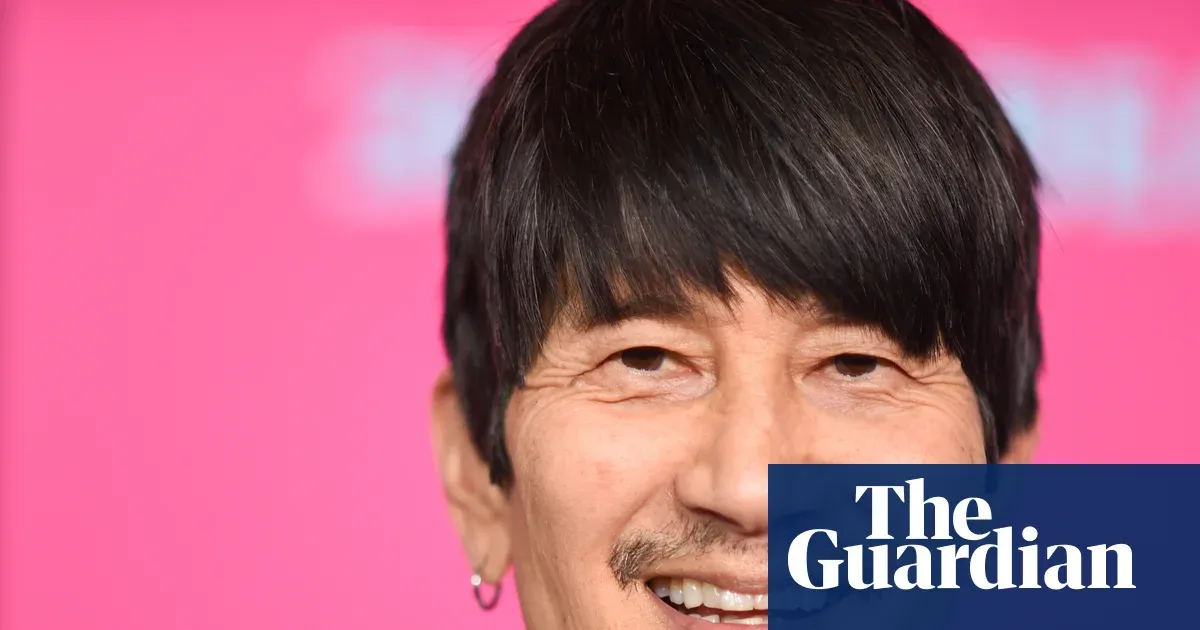
Gregg Araki’s 12th feature film, I Want Your Sex, hits theaters and opens to 700 US screens, with Araki describing it as a “very queer story” about kink and alternate sexuality across the straight-queer spectrum. For decision-makers, the unusual breadth of the release suggests Hollywood is increasingly willing to bankroll anarchic queer visions without fully neutering them.
Gregg Araki’s I Want Your Sex is finally arriving at a scale he has rarely seen: it opens to 700 US screens this week, the director says, as his 12th feature film expands beyond cult territory into the kind of audience reach independent films usually struggle to get.
And Araki is not treating that mainstream-sized moment as a compromise. Speaking in a video call from his Los Angeles home during the film’s release week, the director frames the movie as “a very queer story.” He describes it as “a take on kink and alternate sexuality that goes right across the straight-queer spectrum,” which is basically the blueprint for why this film reads as playful art and power dynamics at the same time. The headline scale, 700 screens, matters because it indicates distribution confidence. In other words, someone downstream decided the audience appetite is real, not just a niche “festival crowd” bet.
The film’s subject matter is also the kind that forces conversations to get specific fast. The Guardian notes it includes bondage, full-frontal nudity, and a surreal image described as “a vagina made out of pink chewed-up bubble gum.” That is not background noise. It is a deliberate mix of humor, delirium, and explicit sexual imagery used to interrogate desire and power. Even when the film is “deliriously fun and often hilarious,” it is also pushing a thesis about how sexuality, social meaning, and artistic expression intersect.
For context, Araki is not new to writing sex as cinema. The Guardian notes he is not making his first heterosexual movie, with credit for that going to his 1995 acid trip of a road movie, The Doom Generation. Still, I Want Your Sex is positioned as the new queer cinema pioneer’s starriest cast in years, and that combination, a bigger ensemble with a wide theatrical opening, suggests Hollywood at large has “caught up” to Araki’s anarchic vision. That is the practical takeaway for studio and distribution execs: the bottleneck is not always creative risk. Sometimes it is simply whether mainstream infrastructure thinks the risk can travel.
There is a broader market logic in play here. Independent films have historically faced a distribution math problem: the more explicit and transgressive the content, the more uncertain the middle steps, from marketing comfort to screening availability to exhibitors’ tolerance. When a film like I Want Your Sex gets an opening of 700 US screens, it is not just about art. It is about confidence that adult audiences will show up in volume and that the commercial machinery can handle explicit queer kink themes without collapsing the brand strategy around it.
Second-order implications follow distribution. When releases like this go wider than a typical indie, they change the future incentives for financiers and executives: if the risk can be packaged and delivered at scale, more projects with similar tones get a closer look. That is also why the Guardian flags the wider opening compared with recent films by indie veterans like Nicolas Winding Refn and Jim Jarmusch. For boards and investment committees, comparisons like that matter because they indicate where audiences are currently moving, and where distribution channels are willing to bet beyond the usual lane.
Now layer in the content framing Araki provides. He explicitly positions the story as spanning the straight-queer spectrum, and he links his creative intention to kink and alternate sexuality. That framing can be strategically important, because it prevents the story from being pigeonholed as “for a single community only.” It gives mainstream gatekeepers a more legible commercial premise: desire is universal, and the film uses kink as a lens, not as a dead-end label.
Finally, there is the culture-level pressure. Araki’s comment in the Guardian piece captures the persistent friction between sexual expression and social control. Even without the full quote in the excerpt, the director’s stance is clear from how he describes the film. When a director who has built a career on queer resistance lands a wide opening, it is a signal that the industry’s definitions of “acceptable risk” are shifting.
For executives and deal-makers, the strategic stake is simple: scale is the scoreboard. A 700-screen opening turns a niche creative identity into mainstream distribution reality. The question for peers with ambitious slates is whether this is a one-off exception or the start of a broader re-rating of what theatrical audiences will pay for when the film is explicit, queer, and genuinely weird in the best way.
This story's Key Insights and Take-aways are locked.
Create a free account to unlock Executive Actions for one credit.
Register to UnlockAlways free for Executives Club members. Join the Club
More in Entertainment

Ali G's 'stooge' says he was in on joke, outplayed Sacha Baron Cohen
A 54-year-old aspiring actor says he recognized Sacha Baron Cohen mid-shoot, kept his MAGA act up, and let the film-makers think they had fooled him.

Entertainer Russell Brand denies 7 sex charges amid accuser's 'couldn't breathe' claim
The alleged victim's account sharpens the reputational and legal stakes for Brand, his platforms, and any business tied to a public figure under criminal scrutiny.

Russell Brand's accuser 'bewildered and confused' as he denies 7 sex charges
The criminal case against the comedian is a live test of how media companies manage talent risk when serious allegations go public.