
Greta Lee defends Sisters' nail salon joke, saying 'status is inverted' and she controls the moment
The Toy Story 5 star explains why the 2015 scene still works, even as it keeps going viral a decade later.
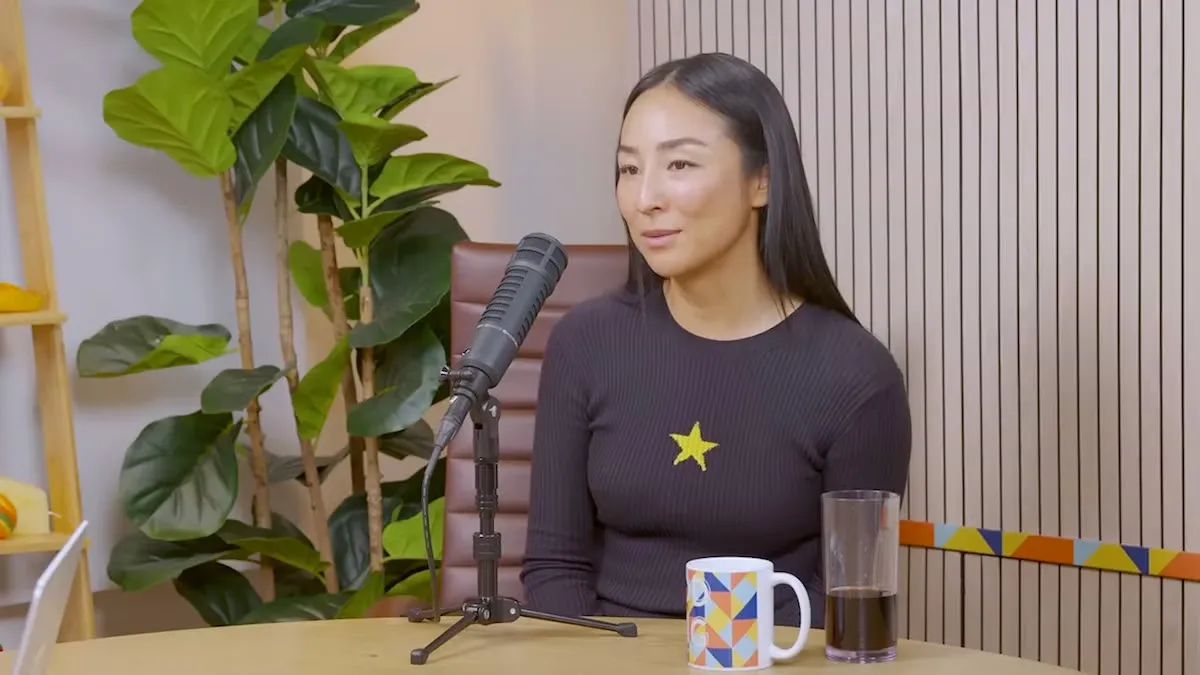
Greta Lee, now starring as Lilypad in Toy Story 5, revisited the nail salon scene in the 2015 comedy Sisters on Good Hang with Amy Poehler. She argues the scene holds up because in that moment status is inverted, putting her character in control.
A decade later, a nail salon scene from Sisters still takes up space on your social feed. And Greta Lee is not backing away from it.
On the Good Hang with Amy Poehler podcast this week, the Toy Story 5 star looked back on Sisters and specifically the scene where Lee plays a nail tech trying to help Poehler's character Maura get the pronunciation of Lee's character, Hae Won, right. It does not go well. Some viewers have cringed in the years since, but Lee says the moment is more complicated than a simple “hurtful stereotype” read. For her, the key is control: “For me, in that moment, she is in total control.”
Lee also addressed why this scene remains a lightning rod. She said she understands the conversation around it and how “tricky to navigate” it can be. Then she pivoted to lived experience, not internet debate. “I have so much love for Hae Won because I know that chick. I know her. I know her so deep,” Lee said. She added that some of her funniest nail salon experiences were mirrored by Maura and the switch in dynamics, “you know, it was switched.” In other words, she is arguing that the power relationship in the scene, not just the surface-level exchange, is what makes it land.
That “switched” framing is where Lee’s defense gets interesting. She argues the scene works because “status is inverted.” In her view, the misunderstanding comes easier when viewers assume the person in the marginalized position is not the one driving the interaction. “And I think that it's easy to assume - if you are not in a marginalized position - to assume, like, ‘Oh no, this is hurtful.'” That is a specific claim about the viewer's position, and it helps explain why the same moment can be read as cringey by some and controlled and truthful by others.
There is a business lesson here for anyone who touches media, brand strategy, or product narratives: “intent” is rarely enough, but “context” is never optional. Lee is effectively saying the script and performance create a scenario where the character with less social power is actually steering the scene. That distinction matters because audiences do not just watch lines. They watch who sets the pace, who corrects whom, and who ends up holding leverage in the room. If you are building content systems, marketing campaigns, or even UI copy, this is the same problem in a different costume: people interpret outcomes through authority cues. Change the authority cue, and you change the read.
Of course, Sisters is not just any comedy. It stars Amy Poehler and Tina Fey as sisters. The plot centers on their reunion when they learn their parents are selling their childhood home, and they have only one week to clear it out. They respond by throwing one last party where they grew up. Lee’s comments land in that broader tone: she says she connected to the opportunity to play something that “rang very true” to her. She also said she knew it would be funny, and that Poehler would bring to life “many opportunities for her to come alive.” Those lines matter because they suggest Lee is evaluating the scene not as a one-off gag, but as part of the film’s overall comedic engine, where awkwardness can be a vehicle for truth.
There is also a career and ecosystem angle. Lee is now currently seen as Lilypad in Toy Story 5, which means the conversation around her earlier work keeps following her into new audiences. Viral moments like this do not stay in the year they were released. They become a recurring reference point for how a performer is expected to explain, defend, or evolve. That creates a second-order pressure for creators and studios: even when a project is finished, the cultural interpretation keeps compiling. If you are an executive deciding what projects to fund, develop, or back, you are not just underwriting production cost. You are underwriting long-tail discourse.
For boards, producers, and investors, the practical takeaway is not “greenlight stereotypes” or “never risk anything.” It is that the same scene can trigger different interpretations based on who is watching, who is speaking, and how authority is staged. Lee’s argument that “status is inverted” points to the kinds of choices that can reduce the gap between intention and impact. It also underscores why fast reactions are often inadequate: the conversation on social media tends to focus on what is said, while the defense is about what happens. Who corrects. Who controls. What the audience is invited to recognize.
Sisters remains a relevant reference for decision-makers because it shows how comedy can both mirror and challenge cultural assumptions, and how quickly audiences decide whether a moment feels true or unfair. Lee’s specific defense, rooted in control and inverted status, is a reminder that the most consequential debates are rarely about a single line. They are about the power dynamics around it, and whether the performance makes you feel you are watching someone stumble, or someone drive.
This story's Key Insights and Take-aways are locked.
Create a free account to unlock Executive Actions for one credit.
Register to UnlockAlways free for Executives Club members. Join the Club
More in Entertainment
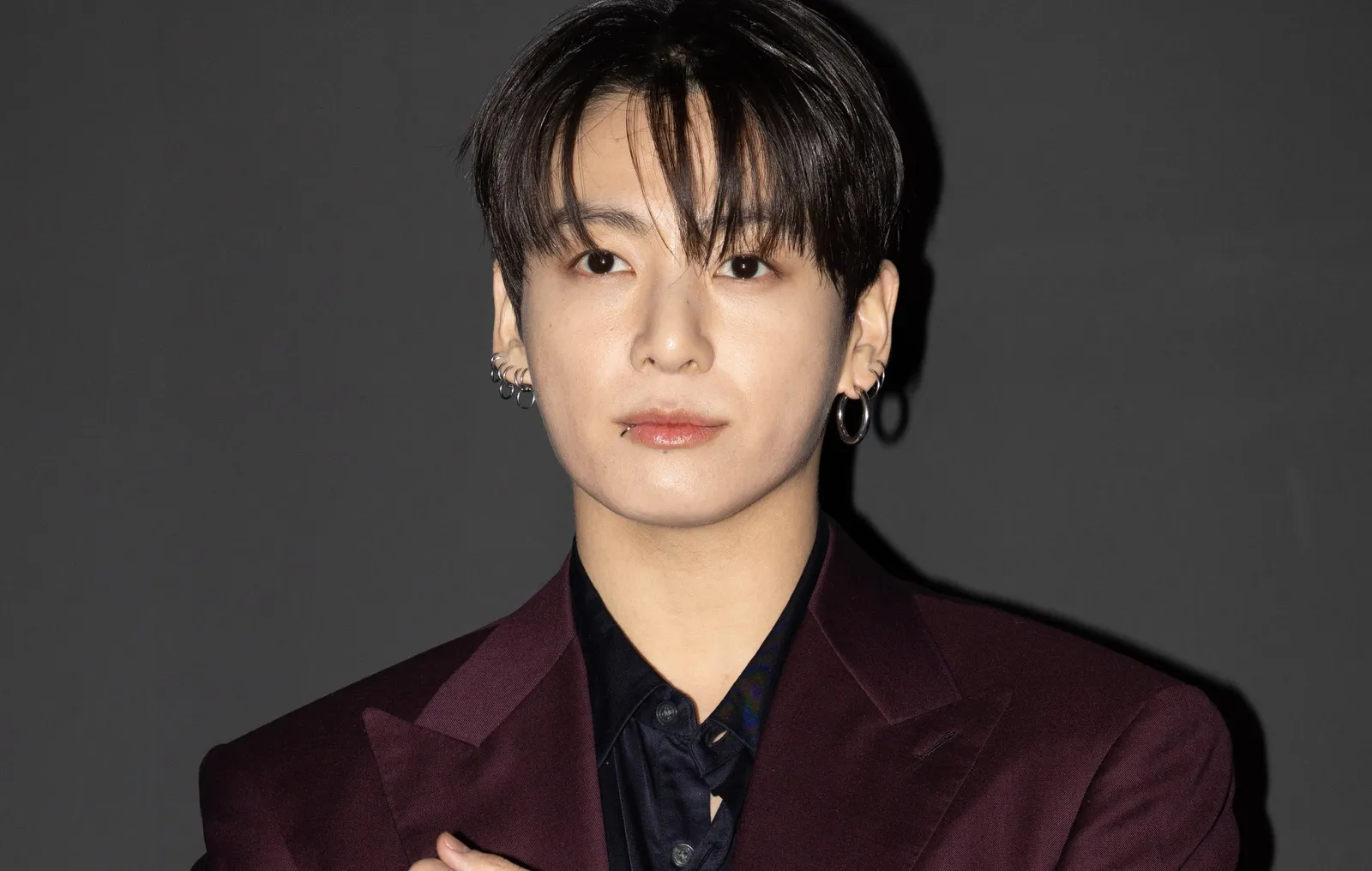
Jungkook doorbell fan rang it 133 times; Seoul court orders possible deportation
A Brazilian woman gets a suspended prison term in South Korea after repeated visits, letters, and 133 doorbell rings.

Jemaine Clement says We're Wolves sequel is officially moving forward after decade of delays
The What We Do in the Shadows follow-up may finally be thawing. Here’s what Clement shared and what it could mean.

DC unveils Batman: Knightfall Part 1 trailer at Annecy, kicking off an R-rated animated trilogy
The first look at DC and Warner Bros. Animation's Batman: Knightfall Part 1 lands at Annecy, and it is not playing coy.