

GSC founder Sergiy Grygorovych denies Microsoft paid more than Stalker 2’s dev cost
The studio founder’s claim triggered a debate over exclusive funding, and the correction matters for platform deals.
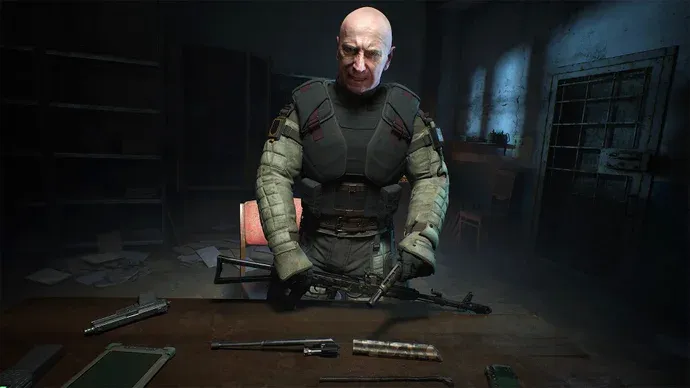
GSC Game World studio founder Sergiy Grygorovych, speaking to YouTuber OLDboi, previously alleged Microsoft paid a significant sum to secure timed Xbox exclusivity for Stalker 2: Heart of Chornobyl. Eurogamer reports he has now refuted claims around how that money compared to the game’s development cost, a dispute with clear implications for future exclusivity negotiations.
Eurogamer reports that GSC Game World studio founder Sergiy Grygorovych has refuted claims tied to his own earlier revelation about Stalker 2: Heart of Chornobyl. In an interview with YouTuber OLDboi, Grygorovych said Microsoft paid a significant sum to keep the then-upcoming open-world shooter a timed Xbox exclusive. The update, per Eurogamer, is that the narrative has evolved into an argument about whether Microsoft’s payment exceeded the game’s development cost, and Grygorovych is denying that comparison.
That distinction is where the story gets interesting fast. “Exclusive funding” debates are usually about vibes until someone anchors them to numbers. If a platform holder is portrayed as paying more than a title cost to make, the deal stops being a marketing budget question and becomes a valuation story. That changes how executives think about what exclusivity actually buys you. It also changes how boards evaluate risk, since “guaranteed” exclusivity payments are not just about launch timing, they become evidence of leverage and pricing power across the next round of platform negotiations.
To understand why this matters, zoom out to how timed exclusives work in the industry. A studio typically wants funding certainty, visibility, and a distribution advantage tied to a platform’s marketing muscle and customer base. A platform holder typically wants content that differentiates its ecosystem and can pull demand forward during specific windows. When a studio founder publicly describes the size and purpose of an exclusivity payment, it can influence how other studios negotiate and how platform partners justify future terms.
The Grygorovych angle is also a reminder that platform deals are frequently discussed in public after the fact, not when the contract is signed. The reason is simple: until a release date and revenue reality show up, outsiders cannot judge whether money moved the needle, merely accelerated the timeline, or compensated for funding gaps. When someone claims the payment was “more than” the development cost, it implies the deal dramatically reshaped the economics of production. Grygorovych’s refutation challenges that implication.
There is a second layer too: regulatory and policy scrutiny. In recent years, regulators and watchdogs have focused on competition questions around platform behavior, exclusivity strategies, and how they may lock consumers into ecosystems. Even when a specific dispute is not a legal case, it adds to the informational backdrop regulators look at. For decision-makers, the pattern is clear: public claims about exclusive payments can become talking points in policy discussions and stakeholder debates. That means executives, general counsel teams, and boards pay attention not just to the contract, but to the public narrative around it.
Now consider the operational fallout inside the companies involved. GSC Game World is a developer whose public statements can shape how investors and partners view deal credibility. If the development community believes that exclusivity payments are extreme relative to cost, it can drive expectations in subsequent bids. Platform holders, meanwhile, face pressure to appear disciplined and commercially rational. Overstated claims can make deals look less like negotiated trade-offs and more like one side getting a disproportionate advantage. Grygorovych’s refutation cuts against that kind of certainty.
For executives at other studios, the strategic stakes are direct. Timed exclusives are not just about launch attention. They are about the entire bargaining cycle: how much studios ask for, how much platform holders offer, and what each side uses as precedent. A public disagreement about whether a payment exceeded development cost can feed into future negotiations, especially when multiple parties try to benchmark “market rate” for exclusivity. For boards and finance leaders, it also reinforces a key job: separating the optics of large numbers from the real drivers of outcomes, such as development progress, marketing scope, and the chosen window.
For decision-makers in platform ecosystems, this is a reminder that credibility is currency. If a founder’s comments are later corrected, it can force internal reviews of how communications are handled, and how third-party narratives are managed. It can also shift how consumers interpret platform marketing claims, since they may wonder what is contract truth versus after-the-fact storytelling. At minimum, Grygorovych’s refutation shows that the debate over exclusivity economics is not settled by one interview clip. The market will keep asking, “How much was paid, what was it for, and what did it actually change?”
This story's Key Insights and Take-aways are locked.
Create a free account to unlock Executive Actions for one credit.
Register to UnlockAlways free for Executives Club members. Join the Club
More in Entertainment

Ali G's 'stooge' says he was in on joke, outplayed Sacha Baron Cohen
A 54-year-old aspiring actor says he recognized Sacha Baron Cohen mid-shoot, kept his MAGA act up, and let the film-makers think they had fooled him.

Entertainer Russell Brand denies 7 sex charges amid accuser's 'couldn't breathe' claim
The alleged victim's account sharpens the reputational and legal stakes for Brand, his platforms, and any business tied to a public figure under criminal scrutiny.

Russell Brand's accuser 'bewildered and confused' as he denies 7 sex charges
The criminal case against the comedian is a live test of how media companies manage talent risk when serious allegations go public.