

GTA 5 producer John Ricchio: Rockstar likely won't “plop” cut content into GTA 6
Ricchio says borrowing happens when tech matches, but lifting entire scripting blocks is uncommon, not the plan.
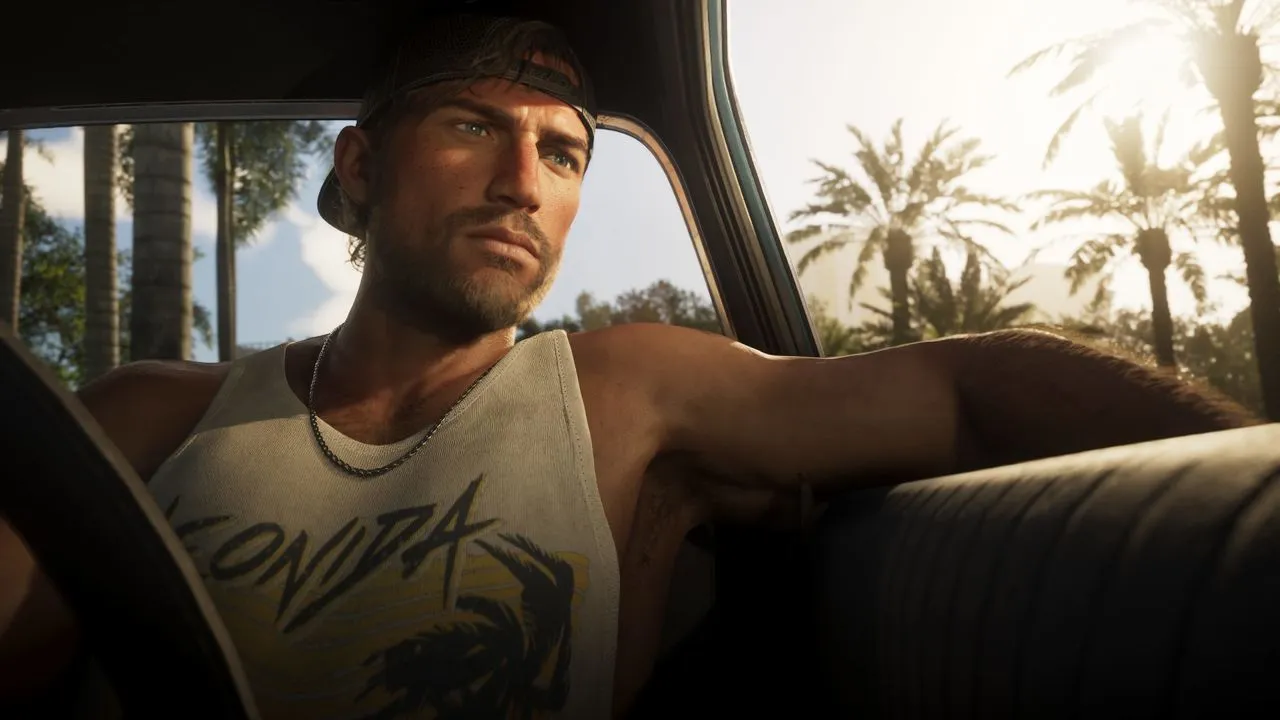
John Ricchio, producer of GTA 5 at Rockstar, says Rockstar probably won't slip cut content into GTA 6. He explains the conditions where Rockstar has reused elements before, including how some missions from a cancelled, unannounced project made it into GTA 4.
John Ricchio, a producer on GTA 5, is laying down a pretty specific expectation for GTA 6: don’t assume Rockstar is going to “plop” old cut content into the new game just to get it across the finish line. In a recent interview with Kiwi Talkz, Ricchio says Rockstar will carry ideas forward when they’re proven and relevant, but he also points out that “lifting scripting or a code into a new game” depends heavily on how much the underlying tech has changed. Translation: reuse is possible, but it’s not the default play.
Ricchio does acknowledge a real precedent, and that is where the whole rumor mill comes from. He remembers Rockstar adding “some” missions from a cancelled, unannounced game into GTA 4. He calls it “kind of cool,” and he explains the logic behind it: if an idea is good, “the notion like, ‘Hey, this idea is cool. We should keep this idea going.’ I think that 100% happens.” But he draws a line between carrying forward an idea and copy-pasting work. When the tech isn’t fundamentally the same or similar enough, reuse becomes harder, which means what players experience is less “hidden DLC” and more “whatever the new engine and production timeline allow.”
Why this matters beyond fandom: reuse of cut content is a business and operations question disguised as a creative one. Games are built on tech stacks, toolchains, and pipelines. Even when a studio loves an idea, it may still be too expensive to transplant it into a new architecture. Ricchio’s distinction between reusing concepts versus “lifting scripting or a code” is basically a production cost statement. If GTA 6’s systems have moved on, porting content is not a simple transplant. It becomes integration, testing, balancing, and QA across a new framework. So the incentive shifts from “ship the cut stuff” to “rebuild and iterate until it fits.”
There’s also a product strategy angle. Ricchio suggests that adopting cut content is “possible,” but “I don't think it's very common unless you're doing a fast-follow.” That wording hints at a release cadence logic: if a studio needs to deliver quickly after a prior hit, then reusing more assets and systems might become attractive because it reduces development time. In contrast, a slower or more deliberate production cycle makes it easier to justify fresh development, even if it means leaving some cut ideas behind. For decision-makers, it’s a reminder that what players call “content” is often just one layer of a bigger schedule constraint.
Ricchio’s comments also indirectly frame why previous GTA games became infamous for what did not ship. He notes that GTA 5 had “so much” cut content, including minigames that were almost “completely done.” He adds a pointed detail from a former Rockstar dev: “They'll throw out entire levels.” That is not a creative failure, it is a quality and scope choice. Studios can build a lot of material and still delete it when it doesn’t meet standards, doesn’t connect to the game’s final structure, or fails to justify the remaining production cost. From an executive standpoint, deletion is sometimes the most rational option, because shipping low-quality or inconsistent content can damage long-term brand equity.
Now bring in the “how does this play out publicly?” part, because it is where regulation and compliance show up even in entertainment news. When games cut features, players and competitors sometimes treat that as an opportunity for leaks, modding, or speculative narratives. While the source doesn’t mention specific regulators, executives in the interactive media space still operate under scrutiny from a mix of consumer protection norms and marketplace expectations. The more a company can clarify its development approach, the less room there is for confusion to turn into reputational risk. Ricchio’s explanation, grounded in the practical question of whether tech is “fundamentally the same, or similar enough,” is exactly the kind of rationale that reduces rumor pressure.
Second-order implication for boards and investors: if Rockstar is signaling reuse will be selective, not wholesale, then GTA 6 planning likely leans more on forward-looking development than scavenged assets. That matters for forecasting. When development teams rely on transplants, risk shifts toward integration surprises. When they rely on new build, risk shifts toward schedule and scope. Ricchio’s framing suggests the studio is thinking in both dimensions: ideas can carry forward (as with the missions that made it into GTA 4), but technical mismatch limits how much “unannounced cut content” can realistically be repackaged. For executives at other studios, the takeaway is blunt: you can’t budget your way out of technology differences, and you shouldn’t assume “fast-follow” reuse will be easy unless the production cadence and toolchain make it feasible.
So if you’re hoping for a stealth scavenger hunt where GTA 6 Leonida beaches quietly inherit abandoned elements like a paranormal Tie Headband Punk destiny, Ricchio’s answer is essentially caution. He says it’s possible, but not common. The real story is less about buried features and more about the boring, expensive truth of whether the tech can support them, and whether Rockstar decides the idea is still worth bringing forward.
This story's Key Insights and Take-aways are locked.
Create a free account to unlock Executive Actions for one credit.
Register to UnlockAlways free for Executives Club members. Join the Club
More in Entertainment
12TB Steam 'teraleak' goes beyond Valve: GTA 3, Mafia 2 prototypes exposed
A 12-terabyte dump of Steam data reveals prototypes and builds of third-party classics like GTA 3 and Mafia 2, plus unreleased Valve content, rewriting game history.

LinkedIn's romance problem: 1 in 4 workers say dating on it is fair game
A new survey shows a quarter of U.S. employees treat the professional network as fair game for romance, even as LinkedIn bans it and removes hundreds of thousands of offending posts.

Enhypen's first No. 1 album breaks K-pop's Billboard 200 streak
The K-pop group's 98,000-unit debut tops the chart while Dolly Parton's catalog reentry shows how death reshapes streaming.