

GTA 6 costs $80 on launch, with $20 Ultimate Edition upsell
Rockstar sets the price; here is what it means for budgets, catalogs, and day-one expectations.
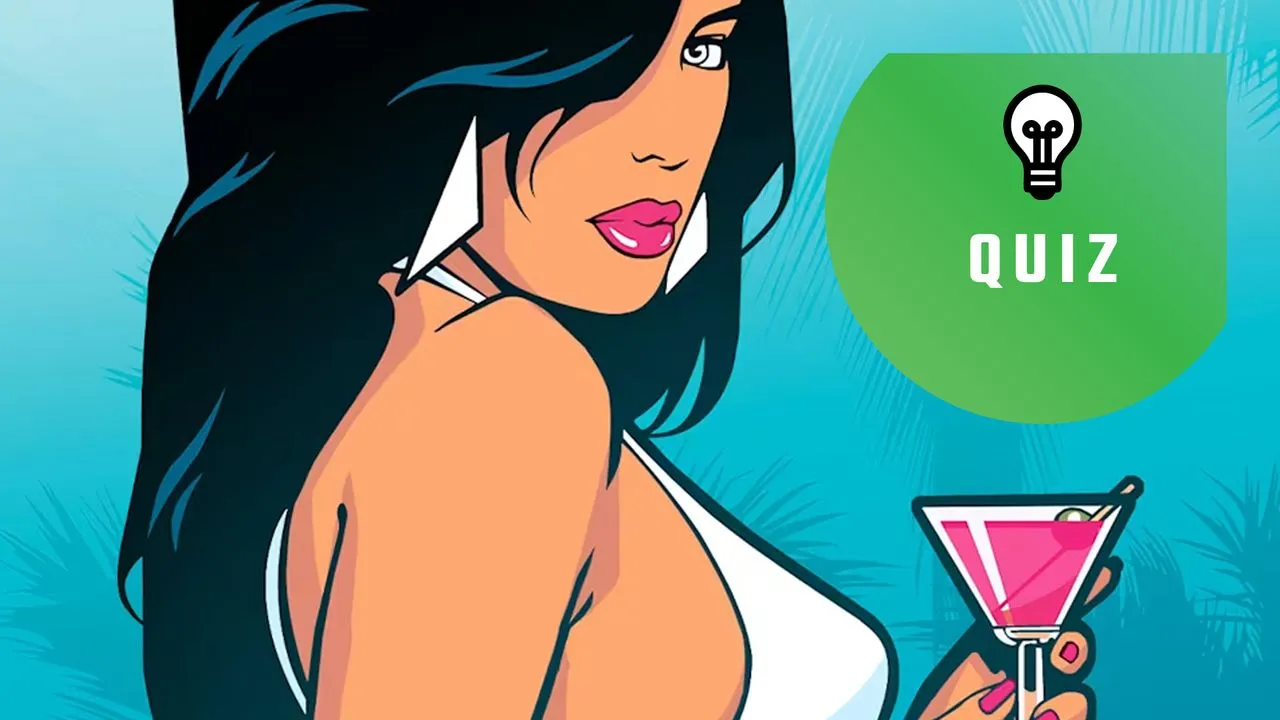
Rockstar Games made GTA 6 pricing official: $80 for the base game, plus $20 for the Ultimate Edition. For decision-makers, that sets the benchmark for launch economics and pressures how teams plan around premium editions and storefront content access.
Rockstar Games finally dropped the other shoe, making it official that GTA 6 will cost $80. On top of that, there is an extra $20 for the Ultimate Edition, the one that bundles a bunch of in-game goodies like clothing and hairstyles and automobiles.
That is not just a “maybe later” add-on. The more expensive version gates access to entire in-game stores, which will be closed off unless you pony up for the Ultimate Edition. In other words, the pricing is doing double duty: it is setting the headline purchase price and also shaping what players can actually do day one. You can feel how that lands in real-world budgets, because if you are buying a game, you are not only paying for the base experience. You are also deciding whether you want the full catalog of store content at launch.
This is why GTA 6 pricing is worth your attention even if you do not personally care about Vice City nostalgia or car garages. Launch pricing is the cleanest visible lever in games monetization. When a publisher moves the number, it ripples through expectation. Players recalibrate how they compare “value” across releases. Teams inside the ecosystem, from platforms to retail partners and PC ecosystem stakeholders, then have to plan around a new baseline: what people consider standard, and what they treat as a premium add.
The PC Gamer piece frames it as a reminder that games have always had a price, but that the memory gap is real. It even turns the whole thing into a quiz, asking readers to remember launch prices of other major releases. For example, it points to Valve's Orange Box, Skyrim's Collector's Edition, and it asks readers to recall what the original GTA cost all those years later.
That quiz is not a gimmick. It is a useful way to surface a trend decision-makers know intuitively but sometimes under-act on: pricing becomes “normal” fast, and then later everyone acts surprised when the next jump happens. When you hear $80 now, you immediately think about what you are giving up if you do not buy the Ultimate Edition at +$20. But the downstream question boards and finance teams should ask is: what happens to adoption and revenue mix when publishers increasingly tie storefront access to premium bundles? Here, the source is explicit that entire in-game stores will be closed off unless you pay the extra.
This kind of gating changes the conversation from “Do I like the game?” to “Do I get the full offering?” That shift matters for launch week behavior. It can influence how quickly players commit to upgrades, how often they wait, and how public sentiment forms around perceived completeness. The source also includes a broader behavior note: the article basically anticipates that we will all probably wind up buying it. That is not a verified prediction about sales, but it captures something familiar to the market. When a franchise has massive momentum, pricing can feel like a tax, and audiences still pay it because they are already in the funnel.
There is also a storefront and platform reality hiding inside the pricing story. Even when games are sold as discrete units, the user experience is increasingly modular: clothing, hairstyles, automobiles, and access to in-game stores. Ultimate Edition bundling is effectively a packaging strategy for digital content, where the publisher can forecast revenue more reliably by converting what would otherwise be optional purchases into a higher tier at checkout. That is a big deal for planning, because it smooths revenue timing relative to piecemeal transactions.
Finally, GTA 6 pricing sets a benchmark peers cannot ignore. For studios and publishers managing portfolios, premium tiers like $80 base plus a $20 Ultimate Edition are a signal about where the market is headed. For investors and operators, it is also a signal about how the board will measure launch success: not just “did players buy,” but “did they buy the tier that unlocks the most complete day-one experience.” If you are sitting in a finance seat, the strategic implication is clear. Pricing plus gated access can reshape revenue composition at launch, and the benchmark becomes the reference point for your next title cycle.
If you want the quick bottom line from this story: GTA 6 is $80, the Ultimate Edition is +$20, and entire in-game stores are locked behind that higher spend. The PC Gamer article then challenges readers to remember other launch price tags because, in practice, what you forget is often what repeats.
This story's Key Insights and Take-aways are locked.
Create a free account to unlock Executive Actions for one credit.
Register to UnlockAlways free for Executives Club members. Join the Club
More in Entertainment

Kalshi’s lawyers threaten Netflix with defamation suit over “misleading” Prediction Games trailer
A post-court cease-and-desist targets Netflix footage that shows Kalshi traders celebrating earnings from blocked Nevada sports markets.

“Grandmonster” wins Fantasia’s top Outpost Award and post-production prize on July 25
Vegard Dahle’s zombie comedy takes the top prize at Frontières, signaling what buyers will bankroll next in festival co-productions.
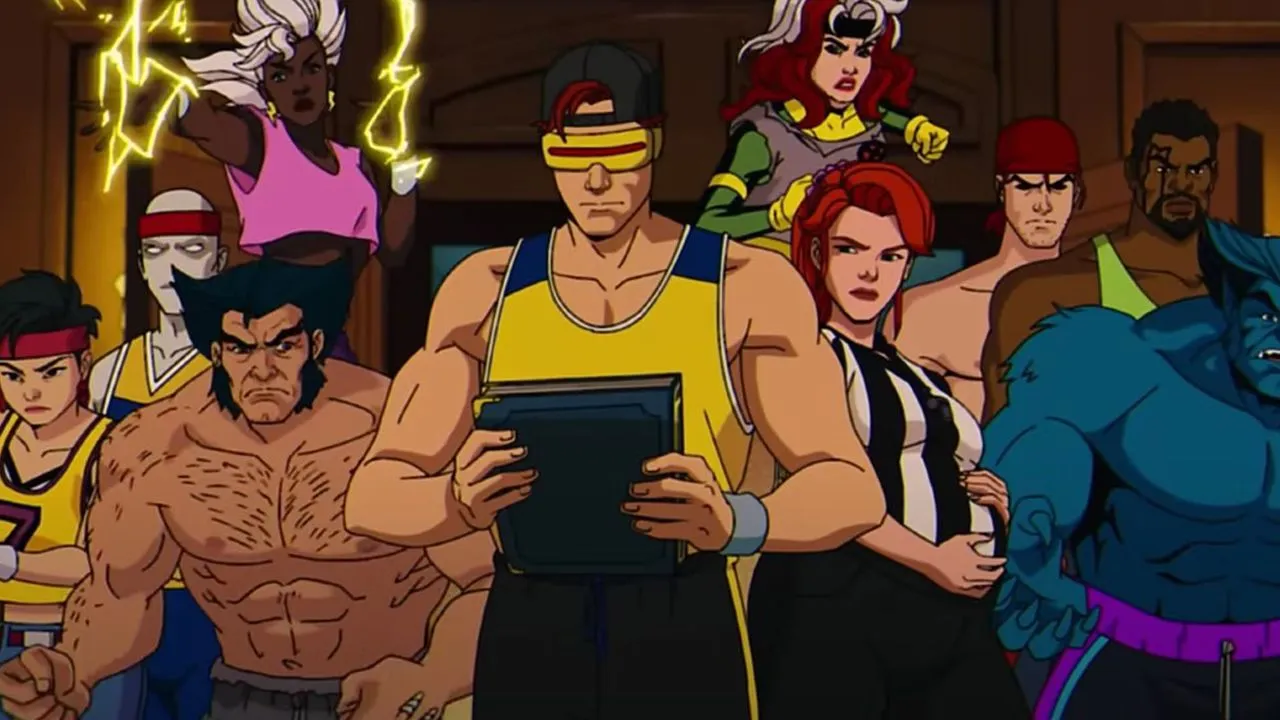
Brad Winderbaum says X-Men '97 S3 is complete, S4 scripts already underway
Season 3 is finished for a 2027 Disney Plus landing, and Marvel Animation is already drafting four scripts for season 4.