
Gulf of Thailand oil: $300B under overlap, but border tensions keep rigs offline
Two countries may have massive reserves, yet cooperation gets stuck on a different dispute across the land.

A reported $300 billion in oil and gas reserves sits beneath overlapping territory in the Gulf of Thailand. But extracting those resources requires cross-border cooperation that remains complicated by political tensions over a separate land border dispute.
An estimated $300 billion in oil and gas reserves is sitting under overlapping territory in the Gulf of Thailand. That is not a rounding error. It is the kind of number that changes national budgets, corporate project pipelines, and investor risk models. The catch is immediate: to turn those barrels and molecules into cash, multiple parties would need to cooperate on extraction.
And cooperation is the hard part. Political tensions over a separate land border dispute complicate any effort to coordinate offshore development in the Gulf of Thailand. In other words, even if the geology is promising, the politics do the drilling for you. The overlap itself creates a natural bargaining problem, because two sides may see the same area through different legal and strategic lenses. Then the land dispute adds friction, making it harder to reach the pragmatic agreements that oil and gas projects usually require.
To understand why this matters, it helps to see how oil and gas deals typically get made in contested or politically sensitive areas. Offshore resources generally require long lead times: exploration, environmental and technical planning, pipeline or platform decisions, and production-sharing or licensing frameworks. Projects can run on timelines that stretch years, so companies and governments do not just negotiate the resource. They negotiate stability, enforcement, and the rules of the road for who gets what, when, and how disputes are handled if things go sideways.
When political tensions bleed into the economic question, the dispute management cost rises. The source makes the key point bluntly: extraction cooperation is complicated by tensions tied to a different land border dispute. This is exactly the sort of “cross-issue” linkage that turns a potentially straightforward energy negotiation into a broader geopolitical negotiation. For decision-makers, the implication is that the offshore oil question is unlikely to be solved in isolation. If the countries treat maritime development as tied to terrestrial sovereignty claims, then delays are not accidental. They are built into the incentive structure.
There is also a board-level consequence here, even if boards never touch the border maps themselves. Capital allocation in energy is unforgiving. Investors and lenders typically price in risk, and political risk can mean higher financing costs or tighter conditions, if projects move at all. Even without adding new facts beyond the source, the logic is straightforward: if cooperation is uncertain, then project timelines lengthen, cash flows are delayed, and the probability-weighted value of upstream assets drops. For operators, that can translate into either slower development or a shift in focus toward lower-friction opportunities.
The overlap in the Gulf of Thailand adds another layer. Overlapping territory can lead to questions about licensing authority, boundary definitions, and enforcement. If two sides both believe they have the right to authorize activity, companies may face conflicting documentation or claims. That means regulatory certainty matters as much as technical feasibility. Offshore development often depends on consistent frameworks across agencies and across borders. When politics are already strained, even “workable” agreements can become fragile.
For regional peers, the strategic stake is clear. The source points to an estimated $300 billion in reserves and a cooperation bottleneck driven by broader tensions. That combination signals a repeatable lesson: energy wealth does not automatically convert into energy output. If offshore resources sit under contested geography and spill into unresolved political disputes on land, extraction becomes a bargaining chip rather than a production plan. Executives watching the Gulf of Thailand should take note because the same pattern can appear anywhere reserves overlap and sovereignty questions linger. The upside is obvious, the downside is equally real, and the timeline is the first casualty.
Ultimately, the headline story is not just about oil and gas under the sea. It is about whether political disputes can be compartmentalized long enough to build the legal and operational machinery that extraction requires. If the answer is no, then the reserves remain estimated, not monetized.
This story's Key Insights and Take-aways are locked.
Create a free account to unlock Executive Actions for one credit.
Register to UnlockAlways free for Executives Club members. Join the Club
More in Politics

Kemi Badenoch says Andy Burnham’s Britain ambitions are “too small” after business rates cut
A business rates change for pubs and clubs triggers a sharper Conservative-versus-Labour fight over who is backing growth.

Trump pushes tariffs again after legal defeats, sparking GOP unease
Despite losing court fights, the administration moves forward, leaving Republicans to manage the political and market fallout.
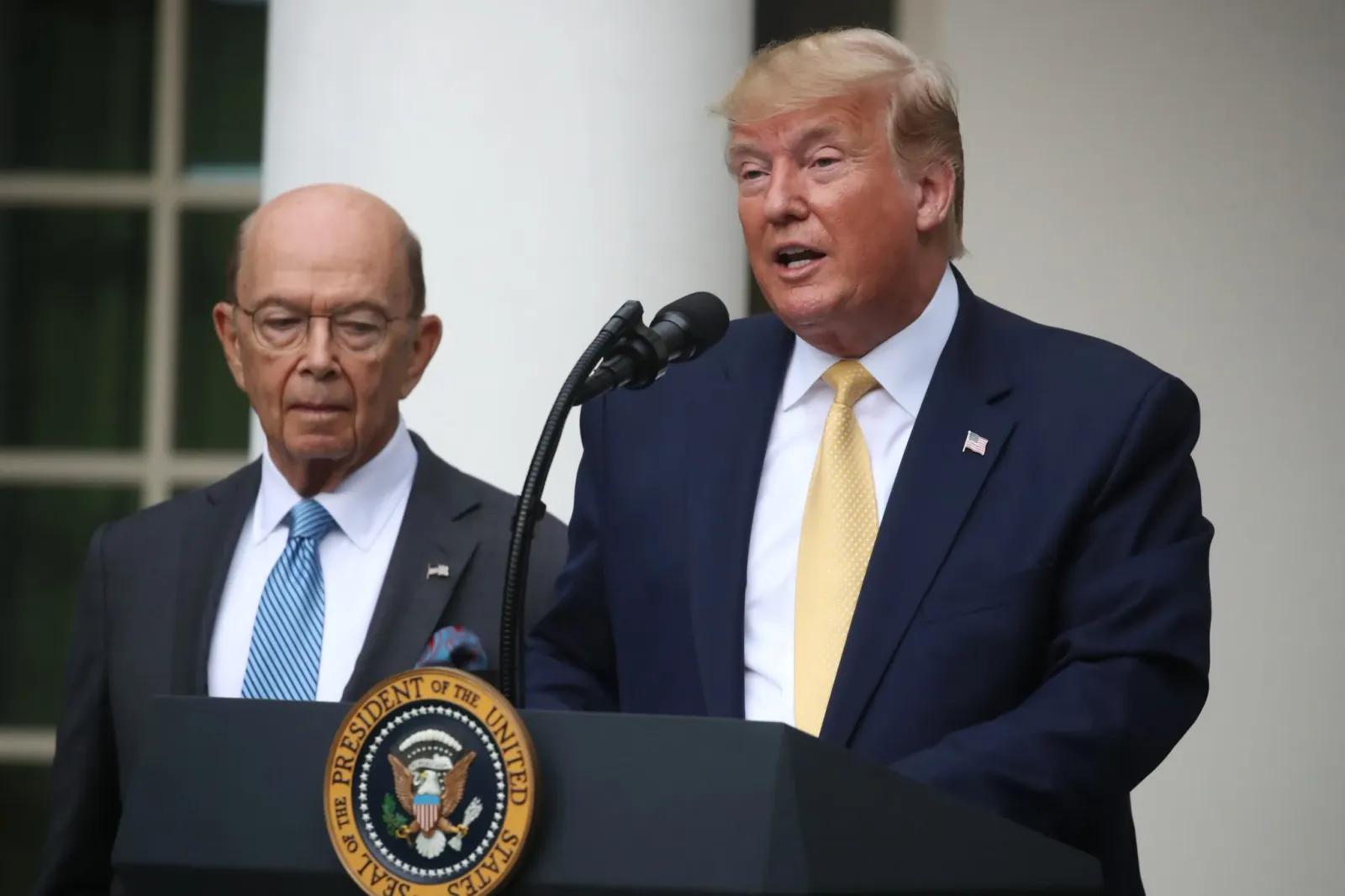
Wilbur Ross warns Trump’s Iran exit is a midterms lose-lose: oil prices or “weak” withdrawal
The former commerce secretary tells Fortune the Strait of Hormuz is where voters decide whether “peace” is believable.