
Hakeem Jeffries maps Democrats' midterm future as America turns 250
In an NPR conversation ahead of the 250th birthday, Jeffries lays out what Democrats must do next to avoid midterm fallout.

House Minority Leader Hakeem Jeffries of New York talks with NPR's Michel Martin about the Democratic Party's midterm future on the eve of America’s 250th birthday. For decision-makers tracking party control, the discussion signals how Democrats are thinking about the next electoral and legislative reset.
On the eve of America’s 250th birthday, NPR’s Michel Martin sits down with House Minority Leader Hakeem Jeffries of New York to talk through the Democratic Party’s midterm future. Jeffries is the elected official on the front line of what happens when a party has power in Washington at one moment, then has to manage risk the next. In this conversation, the central question is simple but high stakes: where does the Democratic coalition go from here, and what does it need to do to remain competitive in the next electoral cycle?
The key takeaway, based on the focus of the interview itself, is that midterms are not just about politics. They are about the conditions under which laws pass, budgets move, and agencies can implement policy without constant whiplash. When you are in the minority, every legislative win and every stinging loss is amplified. That is why Jeffries' framing of the party’s midterm future matters to anyone who cares about how quickly Washington can turn policy into real-world outcomes.
To understand why a conversation like this has outsized importance, you have to remember what midterms do to institutional momentum. In the U.S., elections can freeze negotiations, reorder committee priorities, and force leaders to govern more defensively. Even when the policy content does not change, the tolerance for risk can. That is the second-order effect executives often feel first: regulatory timelines and enforcement posture can wobble when the party in charge of oversight looks like it might change.
This becomes especially relevant for business leaders and boards because policy is not a standalone variable. It interacts with market expectations. When parties signal different approaches to taxation, regulation, or spending, investors update their assumptions about future cash flows. Interest rates, capital allocation, hiring plans, and supply-chain decisions can all respond to the probability-weighted chance of what could happen next. In that sense, an interview about “midterm future” is really shorthand for “what policy stability should we price in over the next couple of years.”
There is also a dynamics layer that matters specifically in Congress. The House is a place where party leaders have to balance messages to voters with the operational reality of floor votes, committee staffing, and negotiation with colleagues. Jeffries, as House Minority Leader, operates under the constraint that the majority controls the agenda. That shapes incentives. Minority leaders typically have to craft narratives that can survive electoral scrutiny while also trying to influence which issues get attention. Even small shifts in what leadership emphasizes can change which policy proposals get picked up, delayed, or sidelined.
For regulators and compliance teams outside the Beltway, midterm uncertainty often shows up as “how fast is enforcement moving?” rather than “what does the law say on paper?” Agencies frequently rely on stable political direction to keep rulemaking steady and adjudication consistent. When elections loom, the executive branch can become more cautious or, depending on the circumstances, more aggressive in implementing decisions before a change in the political landscape. That is not a guarantee, but it is a recurring pattern in how governance and enforcement can feel unpredictable to the organizations subject to oversight.
The conversation also lands on a symbolic date. It is happening “on the eve of America’s 250th birthday,” and that timing is not just trivia. Big anniversaries tend to push political messaging toward themes like national identity, civic direction, and long-run stakes. That kind of framing can influence what candidates talk about on the campaign trail, and it can shift what voters see as the most urgent problems. In midterm elections, salience matters. If leadership chooses the wrong set of issues, they can lose attention. If they choose the right ones, they can keep the coalition together.
For executives, investors, and board members tracking political risk, the practical question is: how do you plan when the political environment is still in motion? You do not need to predict who wins. You need to anticipate what changes if control shifts. That includes legislative calendars, committee oversight priorities, regulatory rulemaking cadence, and the broader likelihood of policy reversals. In other words, Jeffries' discussion about the Democratic Party’s midterm future is not only about Democrats. It is about the governance conditions that determine whether the next wave of policy will be implemented steadily or contested constantly.
If you are in a role where planning horizons matter, you should treat this kind of leadership signaling as an input to scenario planning. Midterms can redraw incentives across Congress and, by extension, across agencies and courts. The strategic stakes for decision-makers in similar positions, whether in government, corporate compliance, or public-facing sectors, are straightforward: align risk management with political timelines, and be prepared for the second-order effects that follow when the electoral clock starts to tick.
This story's Key Insights and Take-aways are locked.
Create a free account to unlock Executive Actions for one credit.
Register to UnlockAlways free for Executives Club members. Join the Club
More in Politics

Glacial collapse, not rain, killed 180 in Nepal's Himalayan flood
The Himalaya's extreme geography hid the true cause of Nepal's catastrophic flood, a glacial collapse that turned a geological battleground into a mass-casualty zone.

Iran’s Esmail Baghaei says Oman talks start shipping via Hormuz, not US talks yet
Temporary route plans with Oman aim to restart commerce while Tehran says Washington dialogue is not on the table.
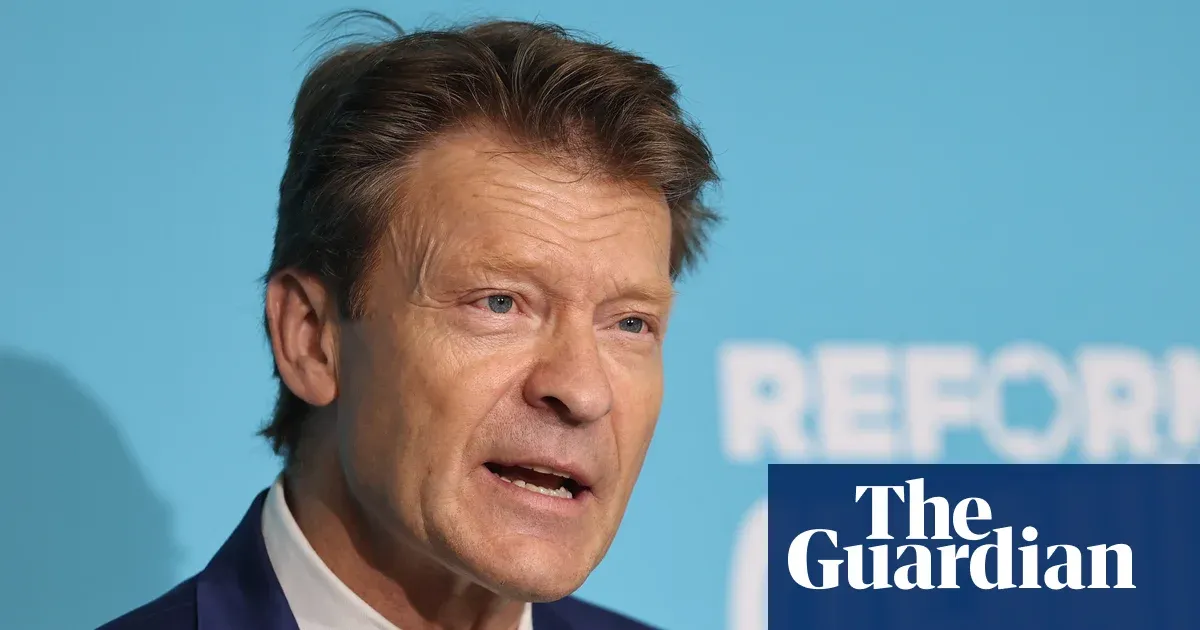
Standards watchdog opens probe into Reform UK deputy leader Richard Tice over interests
The parliamentary standards commissioner says it began an investigation on 28 July into a possible undeclared interest.