
Half of U.S. adults under 50 turn to health influencers who aren't medical pros
Pew finds most advice is coming from moms, coaches and entrepreneurs, not clinicians, and risk grows with online trust.
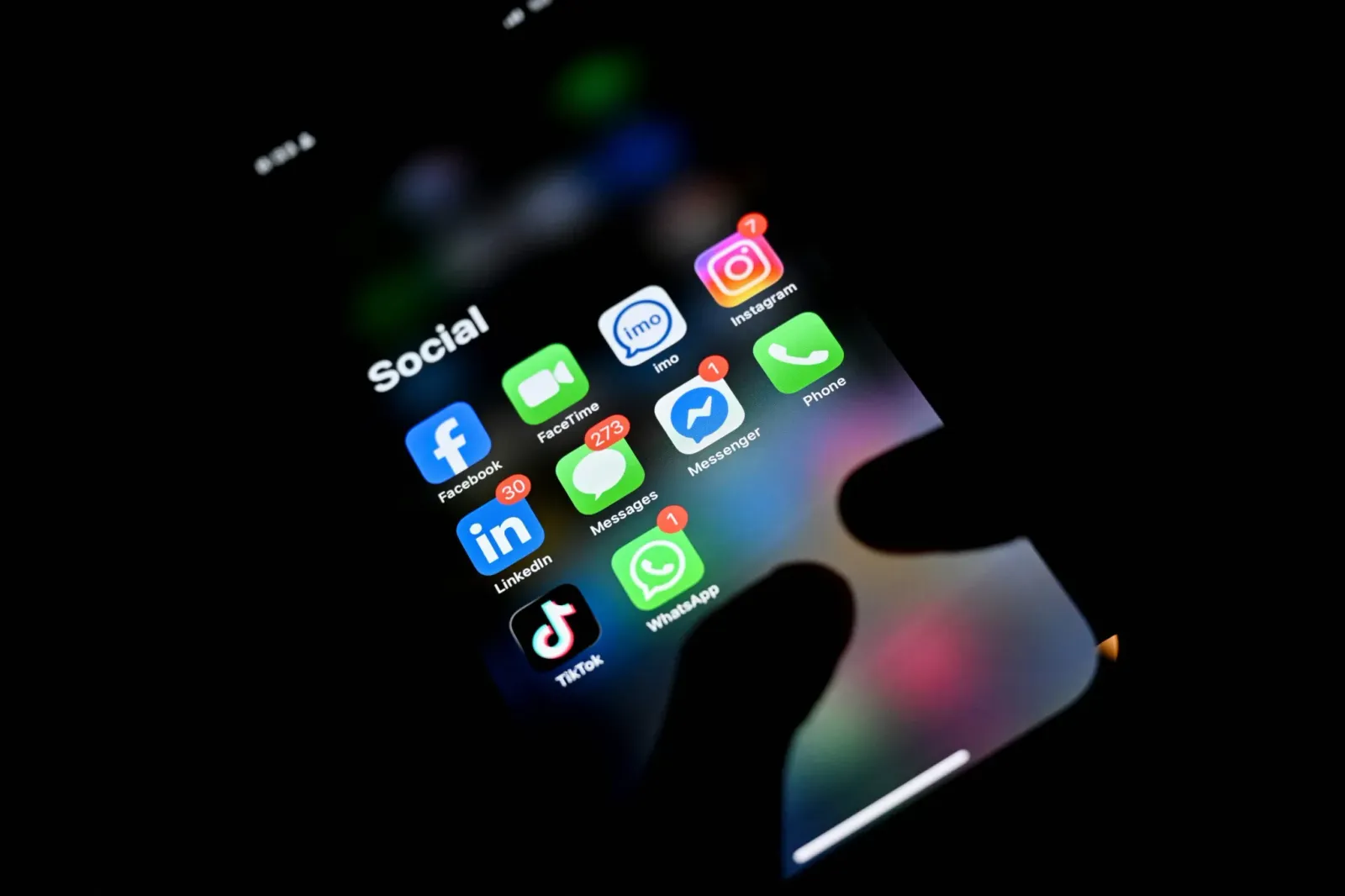
A Pew Research survey found that half of U.S. adults under 50 get health information from influencers and podcasts, mostly on TikTok, Instagram and YouTube. For decision-makers, this means patients are increasingly routing around medical systems, amplifying both misinformation risk and trust gaps.
Half of U.S. adults under 50 get health information from influencers and podcasts, Pew Research found, mostly on TikTok, Instagram and YouTube. The bigger issue is how they find it: they stumble across the content rather than deliberately searching for it when they want to take better care of their health.
This is also where the “health professional” label starts to fray. Pew’s analysis found that while many health and wellness influencers appear to position themselves as healthcare professionals, the majority are not medical professionals. Instead, many are moms, coaches and entrepreneurs who share advice rooted in personal experiences like losing weight, living with illnesses, or being caregivers.
Why this is happening is less mysterious than it feels. Trust in medical institutions has been eroding for years, and the COVID-19 pandemic accelerated skepticism for many people. Gallup polling shows trust in doctors’ ethics has dropped 14 percentage points since 2021 and is now at its lowest point since the mid-90s. Gallup also shows less than half of U.S. adults say their overall healthcare is “excellent” or “good,” dropping 10 percentage points since 2020 after “steadily eroding each year.” In other words, the informational gravity is shifting. When people do not fully trust the source, they follow whoever feels credible, relatable, and nearby.
Pew’s survey also points to who is most affected. Women, who made up two thirds of the health influencers, were more likely to signal expertise by sharing their life experiences, especially with children. Pew found a specific pattern here: women were three times more likely to refer to being a mom than men mentioned being a dad. That matters because “expertise signaling” does not require a medical degree. It requires narrative, consistency, and enough engagement that audiences assume the content is trustworthy.
The distribution is even more consequential across communities. Pew found that Black, Hispanic and Asian Americans, and those without health insurance, are “particularly likely” to get health advice from influencers. Those demographics are historically underserved by the medical establishment, which sets up a painful double bind. Online influencers can become a substitute for access, especially when people face barriers to care. But substituting credibility for clinical validation raises the stakes for accuracy and patient safety, particularly when the advice is found serendipitously rather than evaluated.
There is a direct downside, and it is not abstract. The source notes the risk that when more people trust influencers over health professionals, they also risk falling for health disinformation online. Fortune previously reported that seven in 10 people worldwide believe in debunked health myths and nearly half of Gen Z patients disregard doctors’ advice in favor of their friends or social media. The Pew finding fits into that broader behavior pattern: when medical expertise is less trusted, social proof can overpower evidence.
It also reframes the “where patients are” debate. Dr. Alok Patel, a Stanford Children’s Hospital physician, told ABC News in reaction to the Pew survey that, “We need to do a better job of reaching our patients where they are and building trust and being out in the community and being available digitally.” That is the strategic fork for health systems and for any health-adjacent business: compete on distribution and trust, not just on credentials. But the challenge is that influencers are not waiting to be replaced. They already sit in the feed, often as the first source people see when they have a health worry.
For executives on boards and in operator roles, the second-order implications extend beyond marketing. When half of under-50 adults are getting health information from non-clinicians through a few dominant platforms, the entire trust ecosystem becomes a risk surface. Product, compliance, and patient engagement strategies cannot treat information flows as a “communications” problem. They are becoming a core demand and safety issue, especially as misinformation spreads through the same channels people use for health discovery. If you are leading a healthcare organization, a digital health startup, a payer, or a partner ecosystem, the operational question is urgent: how do you meet patients where they are, with credibility that survives both the algorithm and the skepticism?
This story's Key Insights and Take-aways are locked.
Create a free account to unlock Executive Actions for one credit.
Register to UnlockAlways free for Executives Club members. Join the Club
More in Business
Accenture’s $4.18bn play fails as AI fears spark a 20% worst-ever stock plunge
On Thursday, Accenture hit its biggest one-day drop on record after forecasting worries that AI could hollow out consulting.

SpaceX stock jumps 3% after it overtakes Amazon’s market cap
CNBC says SpaceX’s shares surge following its IPO Friday, forcing investors to reprice what “space” and “AI” are worth.

SpaceX’s first options day breaks U.S. records after a $85B IPO win
Big IPO, bigger options debut: what it means for investors, risk teams, and anyone benchmarking market appetite.