
HarbourView links with Chaka Khan to scale catalogs, global licensing and new creative ventures
A strategic partnership between HarbourView Equity Partners and Chaka Khan targets catalog development and global licensing.
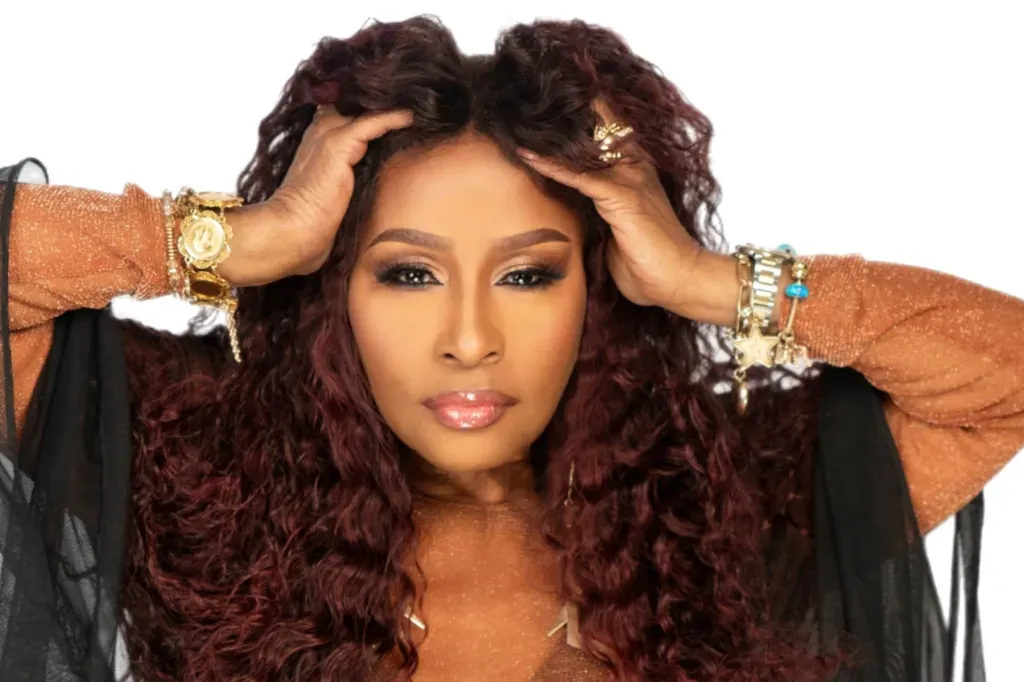
HarbourView Equity Partners signed a strategic partnership with singer-songwriter Chaka Khan focused on catalog development, global licensing, and new creative ventures. For decision-makers, it signals how elite music catalogs are being treated like global, scalable assets, not just legacy IP.
HarbourView Equity Partners just plugged Chaka Khan’s music catalog into a larger global machine. The firm signed a strategic partnership with the singer-songwriter that, according to a press release, focuses on catalog development, global licensing, and the development of new creative ventures. The deal terms were not disclosed, but the direction is clear: move Khan’s catalog from “beloved history” into “ongoing revenue engine.”
If you need a quick sense of what’s being scaled, Khan’s catalog includes 22 albums. Her hits include "I'm Every Woman," "Ain't Nobody," "Sweet Thing," "Through the Fire," "Tell Me Something Good," and "I Feel for You." And this is not just a casual roster addition. The press release notes she has won 10 competitive Grammys, was inducted into the Rock and Roll Hall of Fame in 2023, and received a Grammy Lifetime Achievement Award earlier this year. In other words, HarbourView is backing an artist with cultural staying power, the kind of catalog that tends to keep finding new audiences as formats and platforms change.
HarbourView’s CEO, Sherrese Clarke, framed the partnership in terms that matter for the business side. Clarke said Chaka Khan is a “remarkable talent,” and emphasized why HarbourView thinks this is worth building around: Khan’s voice and presence have moved across generations, and Khan brings more than music to the table, including her influence as a fashion icon. Clarke also stressed the personal lens behind the strategy, saying HarbourView is honored to work alongside Khan as she continues to evolve her legacy. In parallel, Khan described the catalog value proposition in emotional terms that still map to the business logic: “Music is the most powerful and generous thing I know,” she said, adding that seeing the songs find new ears and new hearts brings her joy. She also said HarbourView “gets what my music means, not just as a business, but as a body of love.”
So what does “catalog development” actually mean in practice? In the current music industry, it generally points to a set of moves designed to increase how often and how widely existing songs and recordings are used. That can include re-packaging for different markets, pushing licensing into more territories and formats, and creating new creative ventures that keep the catalog relevant beyond classic radio loops. The press release’s explicit mention of “global licensing” is the tell. Licensing is where legacy assets can become recurring revenue across multiple channels, as long as someone is actively managing usage rights and negotiating where the catalog shows up next.
This deal also lands at an interesting moment for capital allocation in music. The release states that HarbourView has roughly $3.88 billion in regulatory assets under management and more than 70 music catalogs to date. That matters because it signals HarbourView is not operating like a small, single-asset shop. With a large AUM base and a portfolio approach across many catalogs, the firm can treat partnerships like Khan’s as repeatable scaling plays: acquire or collaborate, invest in development, and expand monetization through licensing. In plain English, the firm is building an infrastructure for turning catalog ownership and influence into durable cash flows.
There is also a governance and execution layer here. Manatt, Phelps & Phillips, LLP served as HarbourView’s legal counsel in the transaction. Khan was represented by the law office of Ron E. Dolecki, P.C. For executives and boards, this is a reminder that music IP deals are complex by default. Even when public details stay quiet on terms, the structure typically requires careful navigation of rights, rights chains, and representation. Strong counsel matters, because the friction in rights management can make or break licensing strategies later.
Zoom out, and the HarbourView-Khan partnership looks like part of a broader wave of music business consolidation and partnering. Billboard also notes other recent deals: Live Nation’s acquisition of a majority stake in a Buenos Aires arena, and UMG’s partnership with a Thai music distributor. Put together, these examples show the ecosystem acting like a global network: live infrastructure, distribution partnerships, and catalog investment are all being aligned to monetize music wherever audiences are growing.
For executives in adjacent roles, the strategic stake is straightforward. If you are a music investor, label executive, catalog operator, or platform partner, the question is no longer whether legacy catalogs have value. The question is who can build the machine around them, across borders, formats, and time. HarbourView is betting that with enough management focus and global licensing reach, an iconic artist’s catalog can stay both culturally relevant and commercially productive. And when that machine has billions in assets under management and a large catalog footprint, you should expect more deals in the same direction.
This story's Key Insights and Take-aways are locked.
Create a free account to unlock Executive Actions for one credit.
Register to UnlockAlways free for Executives Club members. Join the Club
More in Business

Accenture’s $4.18bn play fails as AI fears spark a 20% worst-ever stock plunge
On Thursday, Accenture hit its biggest one-day drop on record after forecasting worries that AI could hollow out consulting.

SpaceX stock jumps 3% after it overtakes Amazon’s market cap
CNBC says SpaceX’s shares surge following its IPO Friday, forcing investors to reprice what “space” and “AI” are worth.

SpaceX’s first options day breaks U.S. records after a $85B IPO win
Big IPO, bigger options debut: what it means for investors, risk teams, and anyone benchmarking market appetite.