

Harry Styles turns 120 minutes in Mexico City into a 68,000-strong dance party
His Together, Together Tour residency starts July 31 with six stadium dates and a projected $145M-$171M boost.
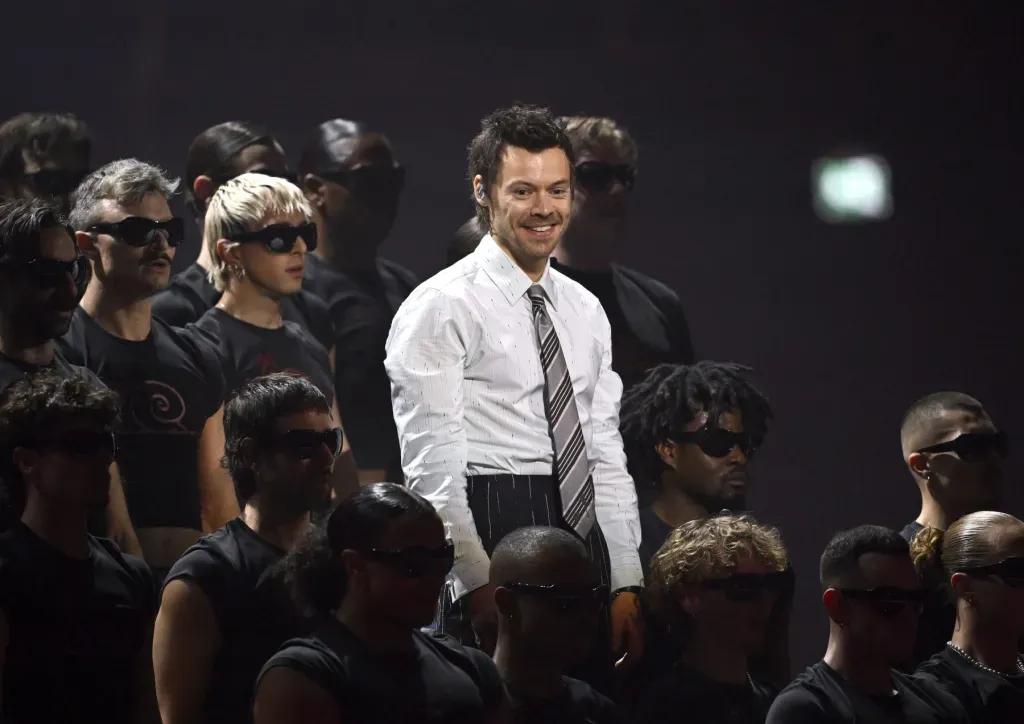
Harry Styles kicked off the first of six Mexico City shows at GNP Seguros Stadium on July 31, drawing 68,000-plus fans per Ocesa. For decision-makers, the run is also forecast to inject $145M-$171M into the capital economy, with big implications for how promoters plan major-tour risk.
Harry Styles opened his Mexico City stadium residency at GNP Seguros Stadium on Friday, July 31, and the crowd showed up in force. Ocesa put attendance at over 68,000 people for the first night of six. The show did not play like a standard greatest-hits exercise either. According to Billboard, Styles turned 120 minutes into “an enthusiastic mass dance party” built from major hits like “As It Was,” “Watermelon Sugar,” and “Sign of the Times,” while layering in tracks from his latest album, Kiss All The Time.
The broader point for executives is that this was not just entertainment for entertainment’s sake. Billboard frames the performance as “experimental, fresh, universal and impactful,” reaffirming Styles’ place in the contemporary music scene. That matters because stadium tours are an expensive form of persuasion. You spend real money on venue, production, logistics, security, and marketing, then you need scale, repeat attendance, and brand resonance to justify it. Styles also leaned into Mexico City rather than treating it as a stop on a route: he thanked fans for their warmth and hospitality, said he has had the “privilege” to come to Mexico “over the years,” and described the people as “beautiful, beautiful people.”
Now zoom out to the calendar and the money. This Mexico City residency continues on Aug. 1, 4, 7, 8, and 10. That six-show structure is one of the ways promoters reduce exposure versus a single date: if one night faces weather or supply constraints, you still have additional “shots on goal.” It also concentrates local economic activity. Billboard reports that the Mexico City Chamber of Commerce (Canaco) estimated the six concerts could bring an economic benefit between $145 million and $171 million to the capital city, citing a statement from the commercial organization. For city stakeholders, that range is the story: it translates a cultural event into measurable spending on hotels, transit, dining, and related services, which is exactly why tourism and commerce groups track these tours.
There is also a strategic signaling effect. Mexico City is described as one of seven cities worldwide chosen by Styles to perform in during 2026. In Latin America, the tour includes São Paulo, Brazil, and Mexico City, with Mexico City hosting the largest number of concerts in the region, according to promoter Ocesa. When a global artist concentrates dates in one market, it is a spotlight. That can reshape how local promoters negotiate future acts, how venues pitch their capacity and audience profile, and how sponsors evaluate brand fit. In other words: the residency is both a product launch and a credibility test for the local ecosystem.
Styles’ Mexico City tie-ins also give the night a sharper edge. Billboard notes that he explored the streets earlier this week, ran in the touristy Chapultepec Forest, and went for a stroll accompanied by his girlfriend, actress Zoë Kravitz, according to viral videos shared on social media. During the show, he spoke “a few phrases in Spanish,” waved a Mexican flag, and led the audience to sing “Las Mañanitas” for a band member’s birthday. These details are not just feel-good moments. In stadium-scale marketing, authenticity is a performance input. It affects how audiences experience the event, how fans share clips, and how the narrative of the tour spreads online.
Second-order implications hit not only entertainment teams, but also boards and risk committees who care about reputational and operational outcomes. Stadium events sit at the intersection of public safety, labor and contracting, crowd management, and government coordination. Even when the Billboard piece does not get into specific regulatory mechanisms, the logistics are implicit in what it reports: a large crowd, multiple nights, and a promoter-managed run by Ocesa. When a tour goes smoothly at this scale, it can become institutional proof that the venue and promoter can execute repeat bookings. When it goes sideways, the learning is expensive. The “six nights at the iconic stadium” framing underlines why stakeholders watch the first show like a test flight.
For anyone looking at the live industry as a capital allocation question, there is one more number to connect: the opening act. For this leg of the tour, British singer-songwriter Jorja Smith is Styles’ opening act. Opening acts matter because they help stabilize the audience funnel across arrival times and reduce the risk that early seats empty out before the headliner. It is also a cross-audience play that can support sustained ticket demand for subsequent dates, which is especially important when the residency is compressed into a tight run of consecutive days spread across August.
Bottom line: Styles’ Mexico City kickoff on July 31 combined a stadium-sized attendance of over 68,000 with a two-hour-plus set built around recognizable hits and newer material from Kiss All The Time. It also generated immediate local narrative momentum and a Canaco-estimated economic benefit between $145 million and $171 million for the city over the six dates. That is the kind of first-night execution that moves markets, not just memories. If you are a promoter, a venue operator, or an investor in live experiences, the message is clear: the first show in a multi-night run sets the terms for the whole campaign, from brand perception to cash flow expectations.
This story's Key Insights and Take-aways are locked.
Create a free account to unlock Executive Actions for one credit.
Register to UnlockAlways free for Executives Club members. Join the Club
More in Entertainment
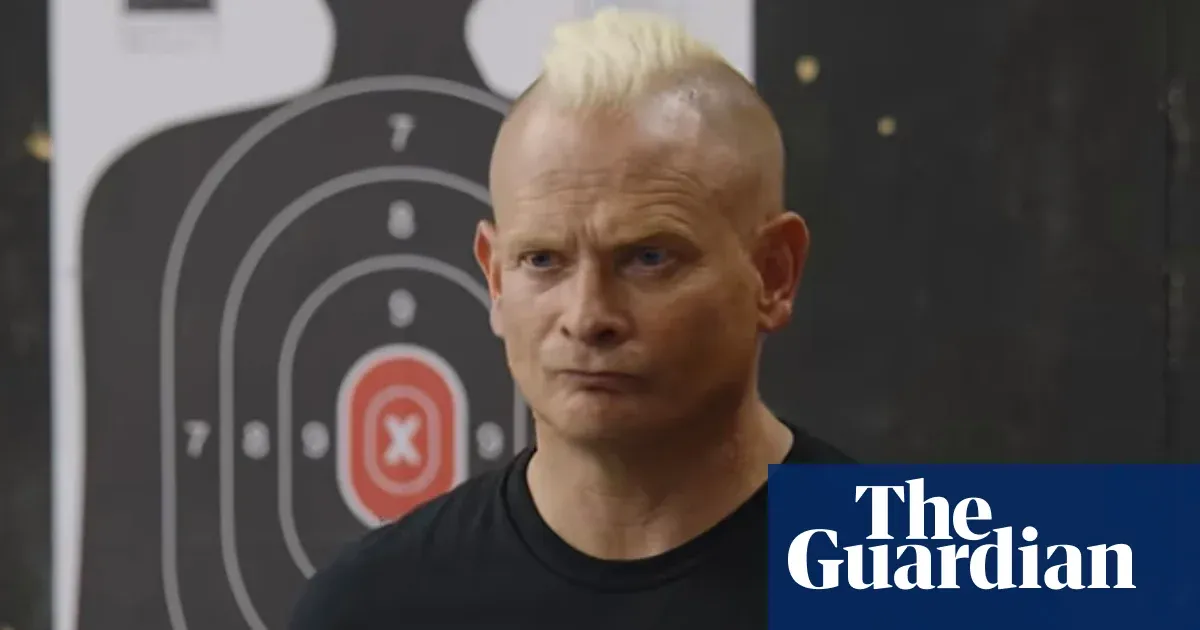
Ali G's 'stooge' says he was in on joke, outplayed Sacha Baron Cohen
A 54-year-old aspiring actor says he recognized Sacha Baron Cohen mid-shoot, kept his MAGA act up, and let the film-makers think they had fooled him.

Entertainer Russell Brand denies 7 sex charges amid accuser's 'couldn't breathe' claim
The alleged victim's account sharpens the reputational and legal stakes for Brand, his platforms, and any business tied to a public figure under criminal scrutiny.

Russell Brand's accuser 'bewildered and confused' as he denies 7 sex charges
The criminal case against the comedian is a live test of how media companies manage talent risk when serious allegations go public.