
Hayley Kiyoko’s Girls Like Girls debuts June 19, 2026, and insists queer love is timeless
A Y2K coming-of-age romance makes the “nothing new” lyric the point, not the vibe.

Hayley Kiyoko directs Girls Like Girls, her directorial debut and adaptation of her 2023 novel, starring Maya da Costa and Myra Molloy. For decision-makers watching audience tastes and IP risk, it signals that mainstream romance can be both era-specific and durable.
Hayley Kiyoko is making her directorial debut with Girls Like Girls, releasing June 19, 2026, and the movie’s central argument is blunt: queer romance is “nothing new.” The A.V. Club review leans into how the film wraps that theme in naturalistic details, from AIM chats to iPods and shiny lip gloss, then uses those textures to land something oddly practical for the culture, and for the industry. If you make a queer coming-of-age story in 2026, you can either frame it as novelty or treat it like a human constant. Kiyoko chooses constant.
The plot is character-forward enough that the “timelessness” claim stops sounding like marketing. Coley (newcomer Maya da Costa) is 17 and gets uprooted after the sudden death of her mother, moving to Oregon to live with her estranged father, a retired touring musician played by Zach Braff. He gives her space in a wood-paneled attic, where even the way she settles into grief feels observed, down to bedsheets that are perpetually crumpled and a keyboard positioned on her knees so she can type. Her entertainment options are limited: her iTunes library and a lean AOL Instant Messenger (AIM) contact list only go so far. Then she bikes to a local swimming spot surrounded by evergreens and meets Sonya (Myra Molloy), who writes her AIM username on Coley’s forearm with a smile and asks, “Promise you’ll message me tonight?” That early beat matters, because it sets the tone for how the film handles intimacy: it grows through ordinary rituals, then forces both girls to negotiate what their feelings mean when the world refuses to name them.
From there, Coley and Sonya become inseparable, spending hours poolside and roaming the surrounding wilderness. The review highlights how tenderness exists without immediate translation. They hold hands, sit on each other’s laps, and bunk together during sleepovers, but the parents and peers in their orbit often cannot read romance cues because both girls are girls. Their language for love stays coded. “Olive juice,” Sonya whispers during an emotional exchange, meaning something closer to “I love you,” but functioning as a socially safer approximation. That safety is not abstract. The film treats queerness as something that still carried implicit social danger in that era, which helps explain why both characters are reluctant to demystify the relationship’s nature.
What really gives the story its tension, according to the review, is that each girl’s attraction collides with different stakes. Coley begins unraveling reality about her desire, and her interactions with boys and men read as uninterested or hostile. Sonya’s attraction feels “much more loaded.” Even though she has a cool-kid boyfriend (Levon Hawke), the review calls him basically an advertisement for the pitfalls of heterosexuality. When he refuses to apply calamine lotion to a poison ivy rash because its pink color means it’s “gay,” the film is using social absurdity to show the fear and rules embedded in “straight” norms. Sonya, meanwhile, enjoys the clout that heterosexual pairing affords her. The messiness is in how she still ditches him to hang out with Coley all the time. The review also points to how honesty can be delivered sideways, as when Coley asks Sonya if she has a boyfriend and Sonya jokes that she is “emotionally unavailable to all.”
This is where the film’s “nothing new” theme becomes more than a lyric from Kiyoko’s song. The review notes that Girls Like Girls loses the grittier abuse narrative of Kiyoko’s earlier music video, in which Coley appears bruised and bloody after an altercation with Sonya’s boyfriend. In the movie, the core tension becomes self-acceptance. That means the stakes feel, at least tonally, muted compared to the sharper edges of prior material. The reviewer even flags a possible anachronism: it can feel “a tad anachronistic amid the Y2K set dressing” to represent queer lives as full of quotidian joys and dramas that seem too seamless for the era’s realities. That said, the movie’s warmth is a deliberate choice, and it’s backed by craft. The review credits Kiyoko’s naturalistic decade portrayal, arguing that details like Lipsmackers, CDs, and elastic chokers read as genuine rather than forced. There’s also admiration for how naturally the actors engage with their clunky computers, including the “trill of dial-up” experience.
Zoom out beyond the story, and this is also an industry signal. The film is based on Kiyoko’s 2023 novel of the same name, itself inspired by the extended play and music video “Girls Like Girls” from her 2015 album This Side Of Paradise. That’s an IP lineage that starts in music, passes through print, and lands as narrative cinema. For studios and investors, it suggests a development model where existing fan attention is not the only asset; the more important asset is a demonstrated emotional thesis that can survive format changes. And for executives tracking audience demand, the A.V. Club framing is clear: the movie is part of an era where millennials yearn for the bygone textures of adolescence, visible in Y2K “period pieces” like Earth Mama, Dìdi, and I Saw The TV Glow. But the review positions Girls Like Girls as adding realism not just to time and place, but to navigating queer desire inside that time and place.
Finally, there’s a second-order implication for anyone responsible for slate strategy or creative risk. If queer romance is treated as “timeless” in the narrative, then the business logic shifts from “niche but loud” to “universal but specific.” The review’s last line does the job of connecting art to audience reality: queer people have existed across human history, and whether their romance unfolded on Lesbos, over AIM messages, or wherever young people congregate, it’s worth getting swept up in. In other words, Girls Like Girls is betting that the next audience wave does not want safer stories. It wants stories that feel true, then makes “truth” portable across decades.
This story's Key Insights and Take-aways are locked.
Create a free account to unlock Executive Actions for one credit.
Register to UnlockAlways free for Executives Club members. Join the Club
More in Entertainment

Doctor Doom tells Avengers heroes “give them back” in Hall H sneak peek
Robert Downey Jr.’s Doom clashes with Pedro Pascal’s Reed Richards, and the trailer frames the next Avengers threat: targeting kids.
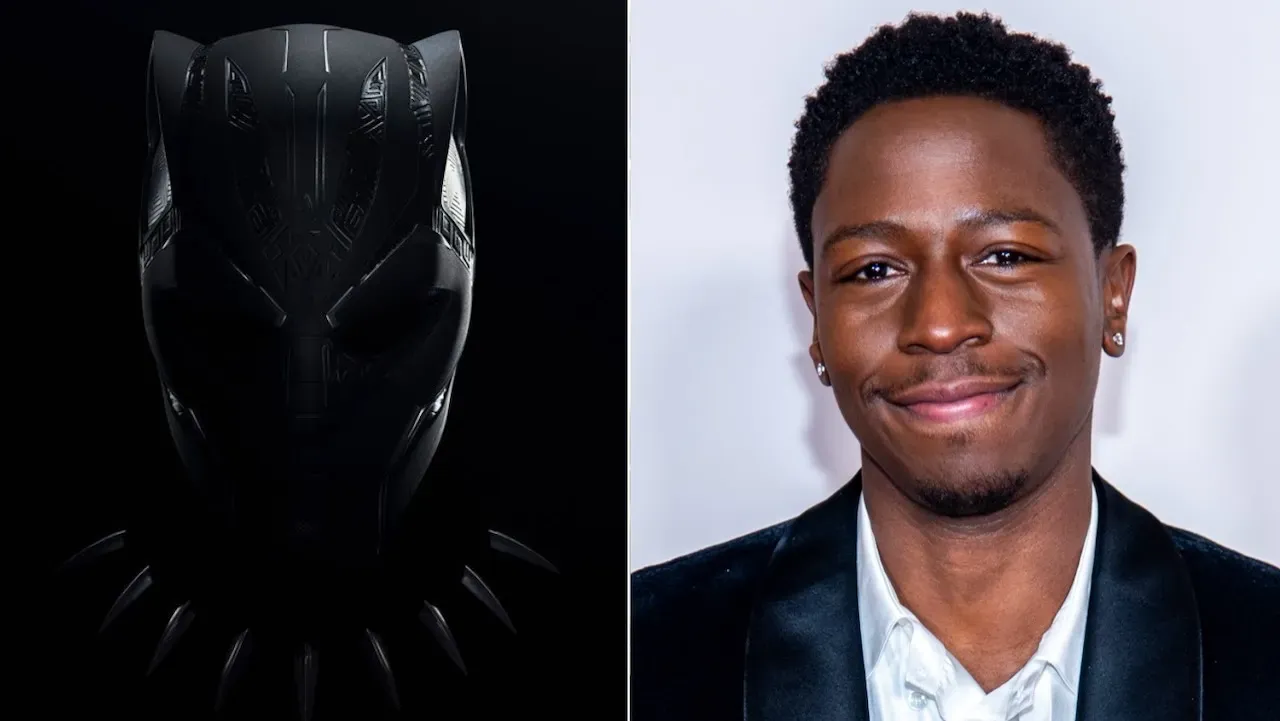
Ryan Coogler returns to direct Black Panther 3 for Dec. 15, 2028 release
Coogler will direct, and David Jonsson is cast as T'Challa's adult son, reshaping Wakanda's next era.
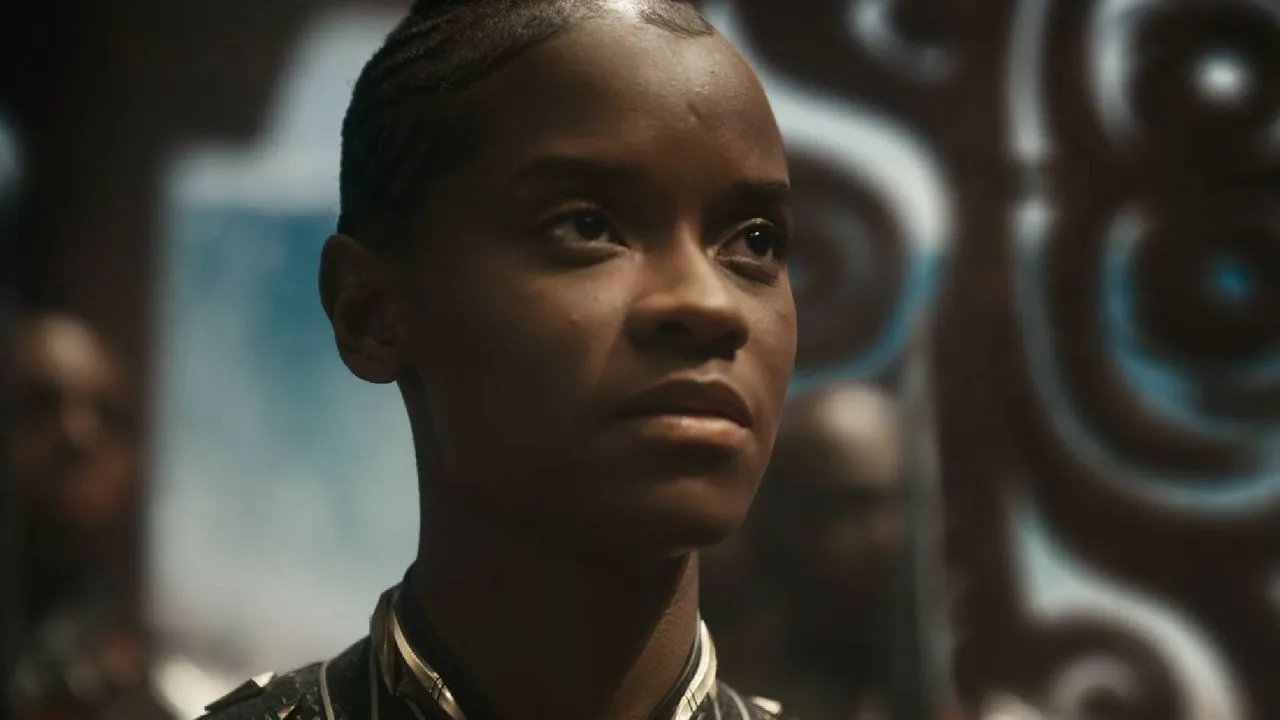
Black Panther 3 lands Dec. 15, 2028 with David Jonsson as T'Challa's son
Marvel confirms Ryan Coogler’s return and casts The Long Walk’s David Jonsson as a new Black Panther.