

HHS delays $1B Medicaid payments to California and Minnesota over suspected fraud
RFK Jr. says it is “stop the fraud before it happens,” but states demand calculation and evidence.
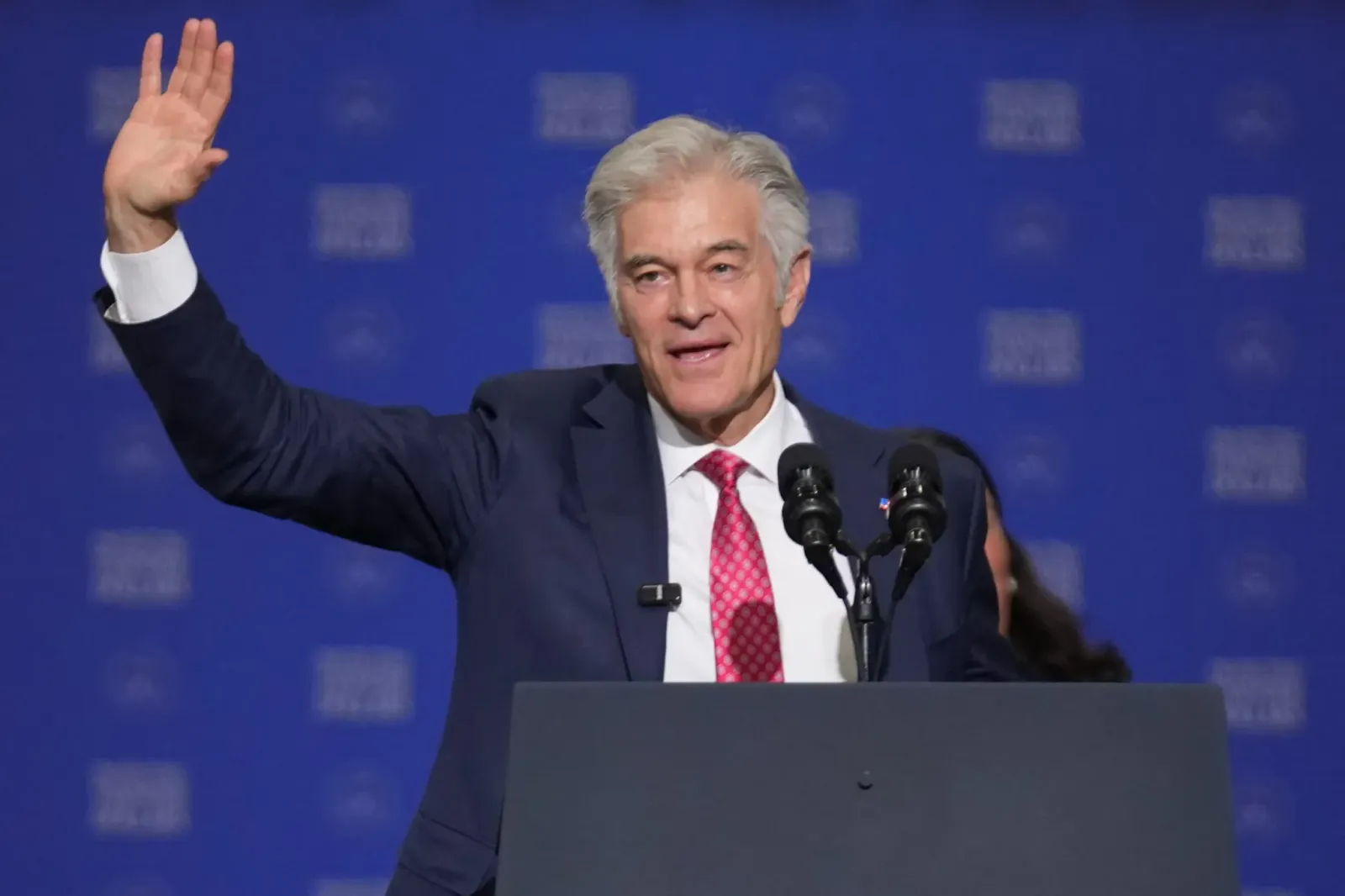
Health Secretary Robert F. Kennedy Jr. said the Trump administration is deferring more than $1 billion in Medicaid payments to California ($867.5 million) and Minnesota ($199 million) due to “suspected fraud and noncompliance.” The move raises operational and political pressure for state Medicaid leaders while prompting scrutiny of how CMS justifies the amounts and patterns.
On Tuesday, Health Secretary Robert F. Kennedy Jr. announced the Trump administration is deferring more than $1 billion in Medicaid payments to two major Democratic-led states: California and Minnesota. The federal government is holding back $867.5 million in federal Medicaid payments to California and $199 million to Minnesota, citing “suspected fraud and noncompliance.”
Kennedy framed the approach as prevention, not cleanup. He told a news conference the strategy is to “stop the fraud before it happens” rather than wait for prosecutions and then claw back spending after bad actors are identified. “We have a duty to stop the payments, demand answers and then follow the evidence wherever it leads,” he said. In other words, the money flow stops first, evidence comes later.
This is part of a broader Trump administration push that it says targets fraud, saves taxpayers money, and pressures states tied to allegations it links to mostly Democratic-led jurisdictions. The announcement lands after previously announced Medicaid funding deferrals in those same states, making Tuesday’s action potentially additive, overlapping, or a recalibration. Kennedy did not specify whether the new deferrals are in addition to, or overlap with, earlier deferrals announced this year.
Operationally, the stakes are blunt. Medicaid is one of the largest public health programs, and federal funding interruptions can force states to scramble, re-budget, or temporarily adjust care delivery. The source makes clear that states are not merely irritated; they are demanding the math and the proof. John Connolly, temporary commissioner and state Medicaid director for Minnesota’s Department of Human Services, said the federal government has not provided “data or explanation on how the deferral amount was calculated or what it was based on” to Minnesota.
Connolly called the move “unprecedented and punitive” and said Minnesota is working to protect services while addressing CMS concerns. He also said the state has been cooperating in good faith and proactively engaging the Centers for Medicare & Medicaid Services to raise alarms about fraud in Minnesota’s Medicaid program, investigate it, and institute safeguards against future misuse of funds. CMS, for its part, has previously said it deferred some $260 million in federal money and threatened future cuts tied to concerns.
Tuesday’s announcement also tightens the enforcement posture. CMS Administrator Dr. Mehmet Oz did not provide concrete examples of fraud in the two states justifying the deferrals, but he described patterns the agency noticed as questionable. Those include billing for four or more patients at the same time, billing after the date of a Medicaid beneficiary’s death, and a fast rate of growth in California’s home care program. California officials dispute the premise, arguing the home care program’s growth reflects an intentional strategy to keep people out of more expensive nursing homes rather than improper spending. Anthony Cava, spokesperson for the California Department of Health Care Services, said, “In-home care growth reflects intentional, federally encouraged expansion, not improper spending,” and urged CMS to stop threatening care for California’s most vulnerable residents.
The political heat is part of the story, but it is not just slogans. Minnesota’s Democratic Gov. Tim Walz suggested the deferrals were a way to help pay for Trump’s tax cuts to wealthy Americans. California’s Democratic Gov. Gavin Newsom accused the administration of targeting his state for political reasons. The source also notes the broader backdrop of intensified anti-immigration efforts in Minnesota earlier this year, including the deployment of Immigration and Customs Enforcement officers whose actions sparked weeks of counterprotests and included the shooting deaths of two civilians. Against that context, Medicaid funding becomes a pressure point that governors can tie to wider federal priorities.
And for CMS, the bigger risk is credibility and execution. The administration’s approach has already produced missteps in other states. In April, CMS acknowledged to The Associated Press that it made a significant error in figures used to help justify a fraud probe in New York. Last month, California’s Medicaid director told a congressional committee that CMS had not yet provided “any instances of fraud, waste or abuse” to the state when justifying a $1.3 billion Medicaid funding deferral announced in May. In Minnesota, Connolly’s complaint echoes that same theme: documentation and transparent calculation matter, especially when the federal government makes the decision to freeze funds.
The good news for states is that money is not necessarily gone forever. Oz said states can restore the flow of money by providing documentation proving that the payments in question are legitimate. The source says officials in both states have acknowledged working with the federal government to provide requested information. Oz said Minnesota had already returned documents and they were being “reevaluated very carefully,” and Kennedy and Oz suggested the federal government is open to restarting payment once evidence is produced.
One more lever could change the enforcement landscape. Kennedy suggested Tuesday he would extend the power to exclude providers from Medicaid, Medicare and other federal health programs to CMS. Historically, that authority has rested solely with HHS’s Office of the Inspector General. HHS Inspector General Thomas March Bell said this would be a “full force multiplier,” creating additional momentum and excluding additional “bad actors.” For executives and board members in healthcare, the practical implication is that compliance risk management is about to move from an internal process to a federal operating rhythm, where payment timing, provider eligibility, and documentation readiness become board-level concerns.
Put simply: when HHS pauses more than $1 billion in Medicaid payments, the downstream effect is not only financial. It is operational uncertainty for care networks, reputational pressure for providers under review, and a governance test for state Medicaid agencies caught between fighting suspected fraud and keeping services running. For anyone tracking payer-provider dynamics, this is a window into how the administration intends to use Medicaid cash flow as both a deterrent and an enforcement tool, and how quickly evidence needs to show up once the faucet is shut.
This story's Key Insights and Take-aways are locked.
Create a free account to unlock Executive Actions for one credit.
Register to UnlockAlways free for Executives Club members. Join the Club
More in Politics

LA County: DOJ's 20,000 'noncitizen' voter list is 'unreliable,' includes U.S.-born
Preliminary review by Los Angeles County election officials finds errors in the federal list, raising the stakes for voter roll integrity ahead of November.

Trump's $1.5B Pentagon chip investment lands in North Carolina
A $1.5 billion defense infusion for North Carolina chipmaking signals a new era of Pentagon-backed reshoring - here's what it means for the industry.

Nigeria confirms first Ebola case in Abuja, a woman just off a Uganda flight
Health Minister Muhammad Ali Pate says the patient flew in from Uganda, putting Africa's latest outbreak on Nigeria's doorstep.