
Hibernation might be the missing Mars health tech, scientists say
Deep-space travel is bad for your body, so researchers are testing an extreme solution: going offline.
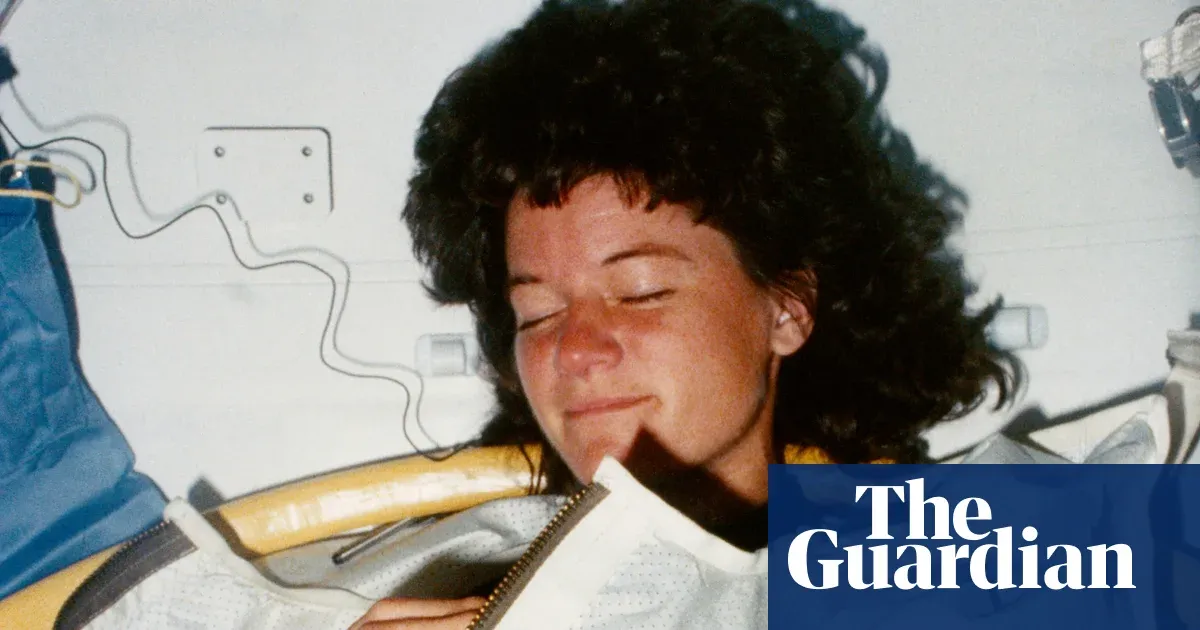
Scientists are trying to recreate the biology behind animal hibernation to enable humans to survive long deep-space missions. If they can translate that strategy, it could reduce the health toll of radiation, microgravity, and confinement on the way to Mars and beyond.
Long-term space travel is bad for your health. Very bad. Being in space exposes humans to dangerously high levels of radiation. Extended exposure to microgravity can damage a range of organ systems, including muscles, bones, and eyes. Add living for months or years in tight quarters, and you also get severe psychological effects. That is the problem researchers are trying to solve, and the strategy they keep circling is surprisingly down-to-earth: hibernation.
Scientists are working to recreate the biological strategy that lets mammals, birds, fish, and other animals survive months without food or water by basically going offline. When animals hibernate, they almost completely switch off their bodily functions. They don’t eat, they don’t drink, and they don’t move. Just as importantly, they aren’t hungry or thirsty, and they do not seem to suffer from the cold. The idea is not to make humans “comfy” in transit. It is to change the rules of survival during a journey like a Mars mission, where the health risks are cumulative and unforgiving.
On paper, this is less sci-fi and more biology translated into engineering constraints. Spaceflight is a systems problem. If you cannot change the radiation environment, you look for ways to reduce the time humans must spend exposed to it. If microgravity steadily erodes muscle, bone, and vision health, you look for a state that slows or alters the body’s functional demands. Hibernation is attractive because it targets multiple failure modes at once: scarcity tolerance, reduced physiological activity, and a dramatic change in how the body behaves when resources are scarce. Even the psychological dimension matters. Living in confined quarters for long periods can affect mental health, and a “mostly offline” state could, in theory, reduce the duration of active human stressors.
There is also a second-order logic that decision-makers should care about, even if they are not biologists. Deep-space missions are expensive partly because human beings are not built for them. Every additional risk creates additional requirements: medical screening, onboard monitoring, redundancy, and contingency planning. The longer the mission, the more those costs stack. A credible hibernation approach could shrink some of that burden by lowering what “normal” human health must endure over time. That could change mission design tradeoffs, from how much medical capability you carry to how you staff operations. It could also influence how mission planners think about timelines and windows, because biology-driven downtime might be integrated into mission schedules.
But biology that works in animals does not automatically become biology that works in humans. The source is explicit about what scientists are trying to do: recreate the physiology that allows other animals to survive extreme scarcity by going offline. That means the research challenge is both biological and translational. Researchers must understand the mechanisms behind the switch that turns the body into a low-activity mode, then find ways to reproduce the same safety envelope in humans. In practice, that implies controlled triggers, monitoring, and reversibility, because deep space punishes even small mistakes. If the body is “offline,” you still need to ensure it can return to normal function without catastrophic downstream effects.
For boards and investors, the bigger question is not whether hibernation is cool. It is whether the strategy can become a dependable technology that fits regulatory reality. Space medicine sits under intense scrutiny because the consequence of failure is existential. Even for companies or labs working on biological breakthroughs, acceptance depends on evidence that the approach protects health, can be safely initiated and terminated, and does not introduce unacceptable risks. Regulatory processes will likely require careful study design, clear endpoints tied to safety and functional outcomes, and a path to validation that mirrors how space agencies evaluate human-risk technologies.
There is also an Earthside angle in the source that matters for long-term positioning: the same capability that could help humans get to Mars and beyond could also help save lives on Earth. That possibility changes the incentive landscape. Technologies often de-risk faster when they can demonstrate value in terrestrial settings while deep-space validation proceeds. If hibernation-related biology can be leveraged to protect humans during extreme scarcity or critical medical conditions, it could widen the application surface area, attract broader funding support, and create earlier datasets that strengthen the safety narrative.
For leaders in the space economy, the strategic stake is simple: the bottleneck is not only propulsion or landing. It is the health of humans during the months or years between Earth and another destination. Radiation, microgravity, and confined living are not “nice-to-haves” to solve later. They are front-loaded constraints that shape everything that follows. If scientists can turn the ancient, extreme strategy of hibernation into a human-compatible method of going offline, it could rewrite what long-duration missions are allowed to look like. And if they cannot, the industry will keep paying the cost of treating those risks one-by-one, mission after mission, for as long as human beings keep flying without a way to pause the biology.
This story's Key Insights and Take-aways are locked.
Create a free account to unlock Executive Actions for one credit.
Register to UnlockAlways free for Executives Club members. Join the Club
More in Science
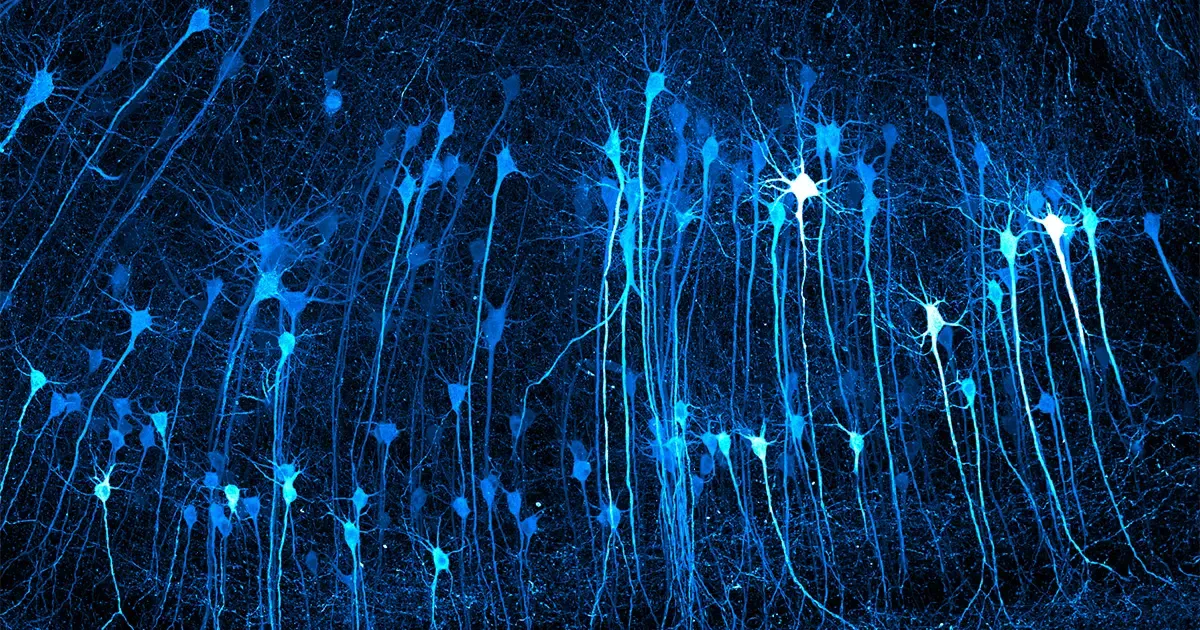
2026 Nikon Small World Winners Reveal the Hidden Machinery of Everyday Life
A mycologist's frozen Edinburgh garden became the backdrop for vivid views inside cells, a reminder of what advanced imaging now makes visible to researchers and the industries built on biology.
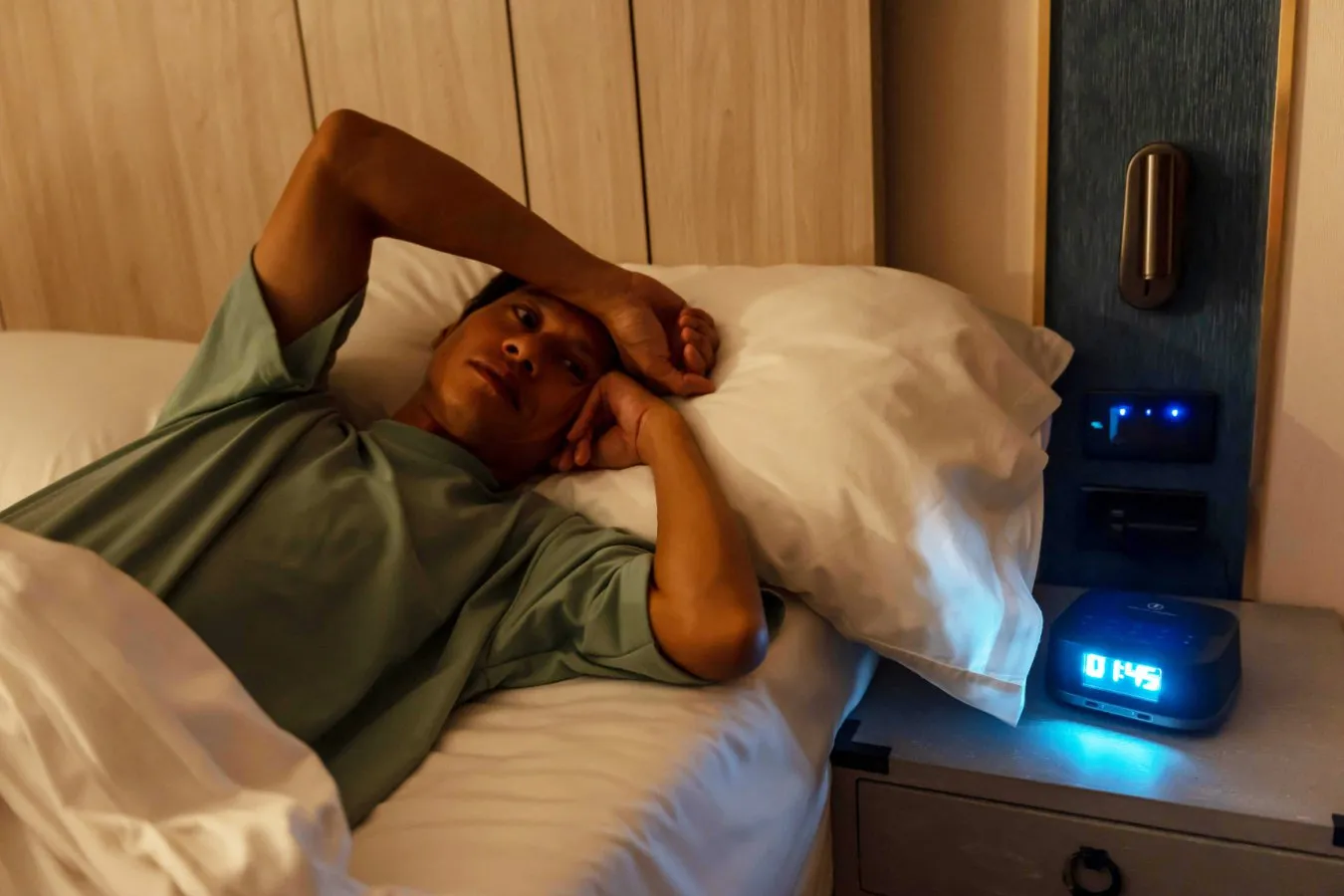
Study: 1 in 4 depression cases may be a body-clock problem, not a chemical one
A 10,000-person study finds standard antidepressants often fail these patients, but melatonin and morning sunlight may hit the real root cause.

Start-Up Says A.I. Designed a Virus to Attack One Patient's Superbug
If the claim holds up, personalized phage therapy could become a new frontline weapon against antibiotic resistance - but proof is far from final.