

HK malls spent big on World Cup broadcasts, pulling shoppers back during retail slump
A rare crowds-and-spend boost in Hong Kong shows how live sports content can act like temporary foot-traffic infrastructure.
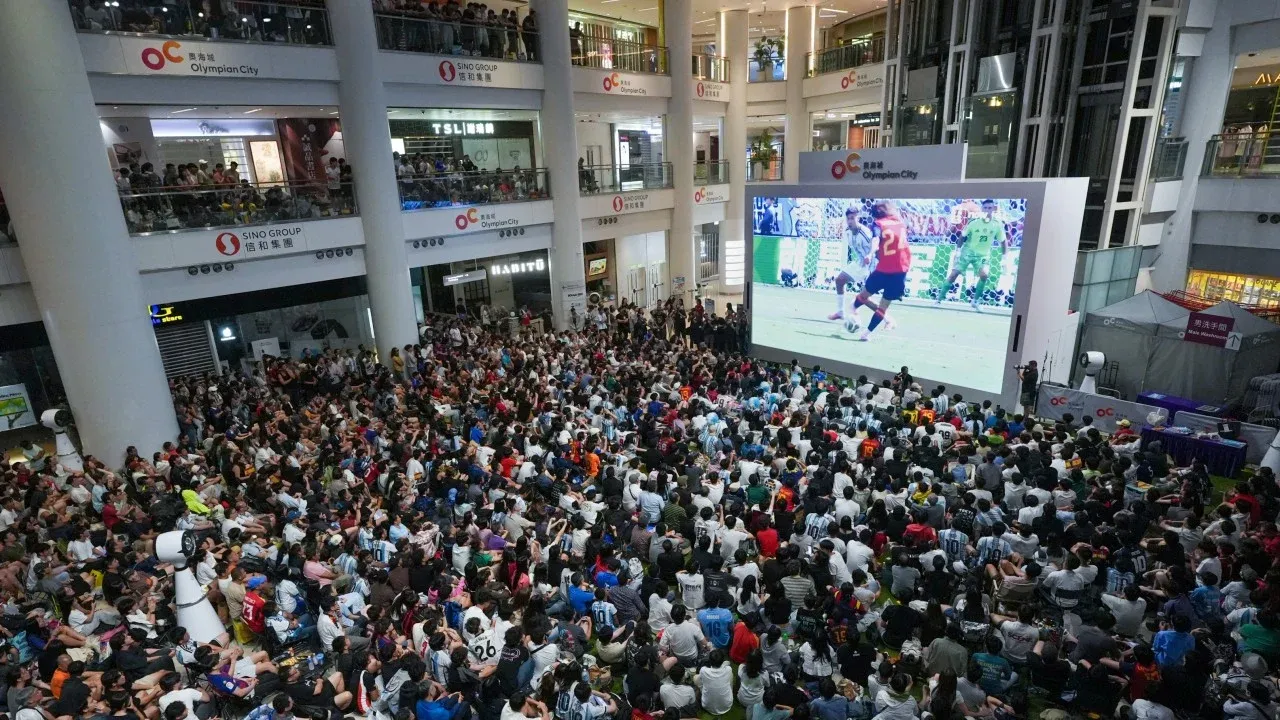
Hong Kong mall developers leaned into live-streamed World Cup matches to turn neighborhood browsing into destination shopping. For retail decision-makers, the consequence is clear: sports content can convert weak demand into measurable in-mall sales lift.
Hong Kong retail has been fighting gravity for a while. The market has faced a challenging backdrop, and developers have tried everything from re-tenanting to fresh marketing to keep customers moving through mall doors. Then the World Cup arrived, live on screens, and created something malls rarely control: a reason for crowds to converge at the exact time and place retailers need them most.
The SCMP account is straightforward about what happened. As crowds gathered around neighborhood malls to watch live broadcasts of Fifa World Cup matches, several categories rode the wave. Restaurants, sportswear retailers, and consumer electronics stores were among the biggest beneficiaries, because the “watch together” crowd naturally converts into food orders, jersey sales, and upgrade purchases like TVs, accessories, and audio gear. In other words, the content did not just entertain people. It reorganized shopping behavior around the broadcast schedule.
This is the “Fifa effect” in Hong Kong: a sports event acting like a temporary demand engine for retail real estate. In a typical mall cycle, traffic is influenced by broader consumer spending, employment, tourist flows, and competitive retail pricing. Hong Kong developers, according to the article, previously leaned on attracting tourist spending as one lever to support footfall. But live global sports changed the equation by providing a steady stream of shared attention that did not depend on a visitor arriving at the right moment.
The article also points to a specific player, Sino Group. Sino Group spent more than HK$8 million (US$1 million) broadcasting all 104 matches. That number matters because it frames the gamble in business terms: this was not casual sponsorship of a couple of games, it was a full coverage commitment across the tournament. If you are a mall operator, that distinction is everything. A partial approach can feel like an amenity. Full coverage feels like an anchor experience.
Why would a developer pay that kind of cost when retail conditions are already difficult? Because malls are not just landlords, they are platforms that package convenience and timing. When thousands of shoppers are choosing where to watch together, you can compress “coming to the mall” into one clear behavioral trigger. The broadcast schedule effectively becomes a weekly, predictable event rhythm. The second-order implication is that it changes how retailers inside the mall forecast demand. A restaurant tenant, for example, can plan staffing around match times. A sportswear retailer can stage inventory and promotions around the matchday spike. An electronics retailer can ride impulse demand from shoppers who decide, in real time, that they want better screens, sound, and viewing setups.
There is also a strategic learning here for developers dealing with weaker consumer spending cycles. Global events create demand that is external to the mall, but the conversion happens internally. The “external driver, internal beneficiary” model is attractive because it reduces the need to manufacture consumer desire from scratch. Hong Kong developers, per the article, have been trying to claw their way through a challenging retail market. Live-streamed world sports is a rare category that can do the clawing for them by pulling crowds in through shared interest rather than pure discounting.
For executives, boards, and investors focused on retail resilience, the question becomes: is this a one-off, or does it become a repeatable playbook? The article frames it as a rare boost, which suggests you should treat it as a material but not guaranteed lever. Still, the mechanics are replicable. Any operator that can reliably host high-attention, time-bound experiences may be able to stabilize mall traffic during fragile retail periods, especially in neighborhood centers where people can gather without traveling to a stadium.
The stakes for decision-makers are practical. If you are underwriting mall performance, you want to know which levers influence footfall when the broader retail environment is soft. The SCMP story shows that live sports broadcasting can materially shift in-mall spending behavior, pulling spend toward specific tenant categories like restaurants, sportswear, and consumer electronics. And for groups making capex and operating expense decisions, Sino Group’s HK$8 million (US$1 million) full-tournament broadcast spend is a concrete benchmark for how much it can cost to secure a “destination moment” inside your property. In a tough market, that is not just marketing. It is revenue strategy.
This story's Key Insights and Take-aways are locked.
Create a free account to unlock Executive Actions for one credit.
Register to UnlockAlways free for Executives Club members. Join the Club
More in Business

Uber buys Delivery Hero for nearly $15B, vaulting to top food delivery outside China
The deal doubles Uber's dual-services footprint and pushes a ride-and-eats bundling play into 50 more markets.

Epic and Google drop settlement bid, forcing rival Android app stores by July 22
Google told the court it is ready to carry third-party app stores starting Wednesday, July 22.
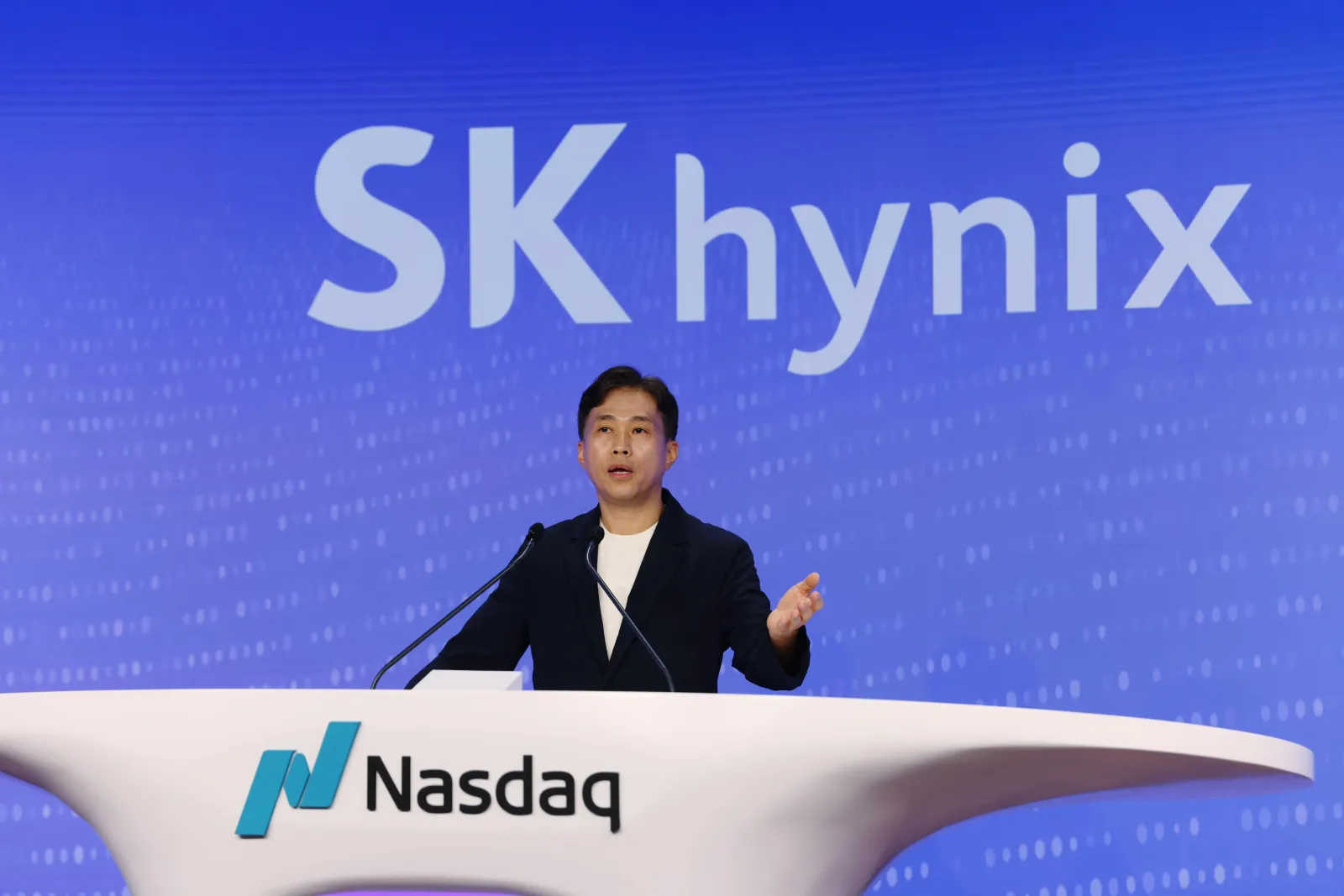
SK Hynix opens at $170, raises $26.5B, and tops foreign IPO records
In Friday's Wall Street debut, SK Hynix turns AI RAM demand into a $26.5B fundraising moment that rewrites comps.