
Hollywood director gets 2.5 years for Netflix fraud tied to Rolls Royces and Ferraris
A Hollywood director’s prison sentence exposes how production money can become a compliance and reputational fuse.
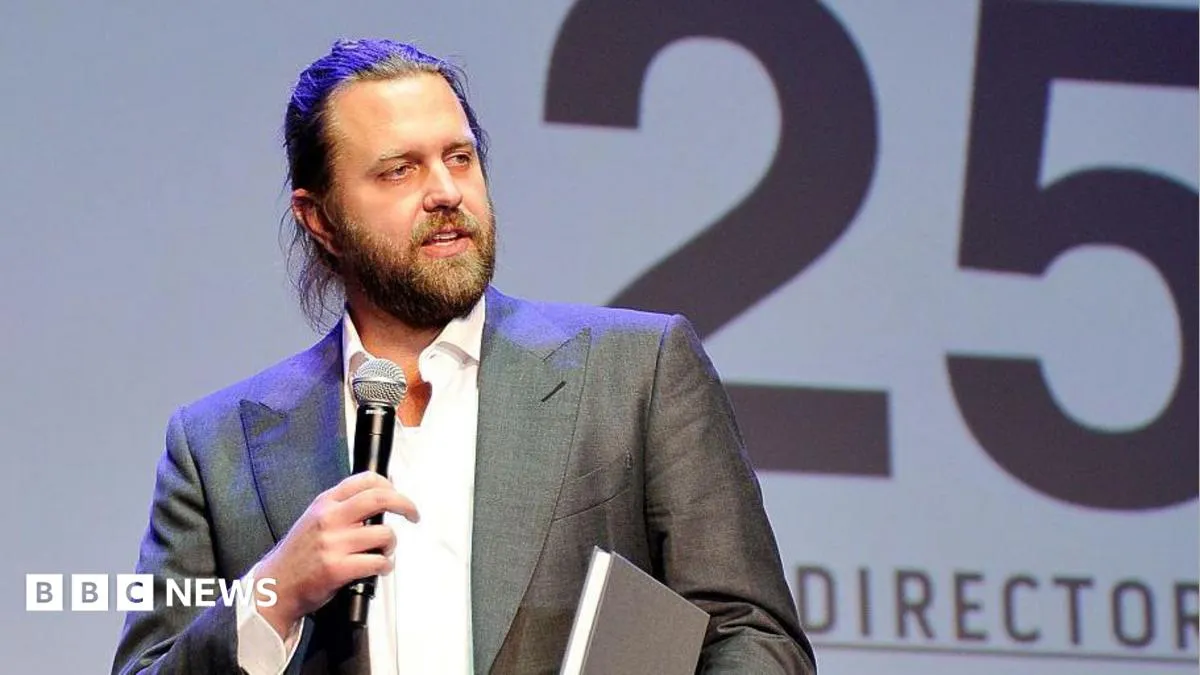
A Hollywood director has been sentenced to 2.5 years in prison for defrauding Netflix. The case centers on allegations that money meant for a Netflix show was used on lavish purchases like Rolls Royces and Ferraris.
A Hollywood director has received a prison sentence of two and a half years for defrauding Netflix, according to BBC News. The accusations described a very specific pattern: money intended for a Netflix show was allegedly steered into lavish purchases, including Rolls Royces and Ferraris.
The headline stake is simple and serious for decision-makers. When production budgets are treated like personal shopping accounts, the damage is not just legal. It becomes a trust and governance problem that hits studios, streamers, and boards because the money is supposed to buy content, not luxury cars.
To understand why this matters beyond one courtroom, look at how streaming deals typically work. Netflix and other platforms fund or back shows through budgets that are expected to cover production costs, talent, and operational expenses. In a clean system, every dollar has an audit trail: what it was for, who approved it, and how it connects back to the deliverable. In a messy system, the gap between “budget” and “spend” becomes where fraud can hide.
This case also highlights an uncomfortable truth about incentives on both sides of a production. Creative teams often manage timelines and resources with urgency, because delays can ripple through schedules, marketing windows, and release plans. At the same time, money is frequently deployed in phases. That creates real operational pressure to move quickly. But speed is not a compliance substitute. If controls are loose, the same operational flexibility can be exploited, turning legitimate “production expense” categories into cover for unrelated personal spending.
Regulators and litigators tend to focus on intent and misuse, and the alleged luxury spending is the kind of fact pattern that makes intent harder to ignore. Rolls Royces and Ferraris are not subtle. They are symbols. In cases like this, the details matter because they translate abstract accusations of “misappropriation” into concrete, checkable behavior. For boards, that is the governance lesson: when allegations include extremely specific purchases, oversight failures are often harder to explain away.
There is also a reputational angle that boards and brand executives understand quickly. Netflix is not just funding shows. It is also building confidence with creators, investors, and the broader entertainment industry. A fraud narrative, even when it involves a single director, can raise questions about how well the platform verifies spending and monitors counterparties. That does not automatically mean widespread wrongdoing, but it does mean scrutiny increases. Expect more attention on who approves spend, what documentation is required, and how exceptions are handled.
For executives running content operations, the second-order implication is operational redesign, not just legal fallout. Even when a case is limited to one defendant, the compliance response can spill outward into contract clauses, vendor onboarding processes, and budget controls. That can mean tighter expense definitions, more frequent reporting, and clearer audit rights. It can also mean more rigorous review of large-ticket purchases, reimbursement rules, and how production funds are segregated and tracked.
Finally, for peers across entertainment and adjacent industries that rely on complex budgets, the strategic stake is learning before it becomes a headline. A two and a half year sentence is not a minor penalty, and it signals that the justice system treated the conduct as serious. The business question for executives is whether their own systems would be able to withstand the same kind of scrutiny the BBC report describes: Could you connect every major expense to the show it was meant to support, with approvals, documentation, and timing that make sense? If the answer is “we think so,” that is often where problems begin.
This story's Key Insights and Take-aways are locked.
Create a free account to unlock Executive Actions for one credit.
Register to UnlockAlways free for Executives Club members. Join the Club
More in Entertainment

Jon Bon Jovi cut his Madison Square Garden set short Thursday, after battling a sinus infection
A 90-minute show at MSG ended early, with rescheduling promised, as the Forever Tour continues after vocal-cord surgery.
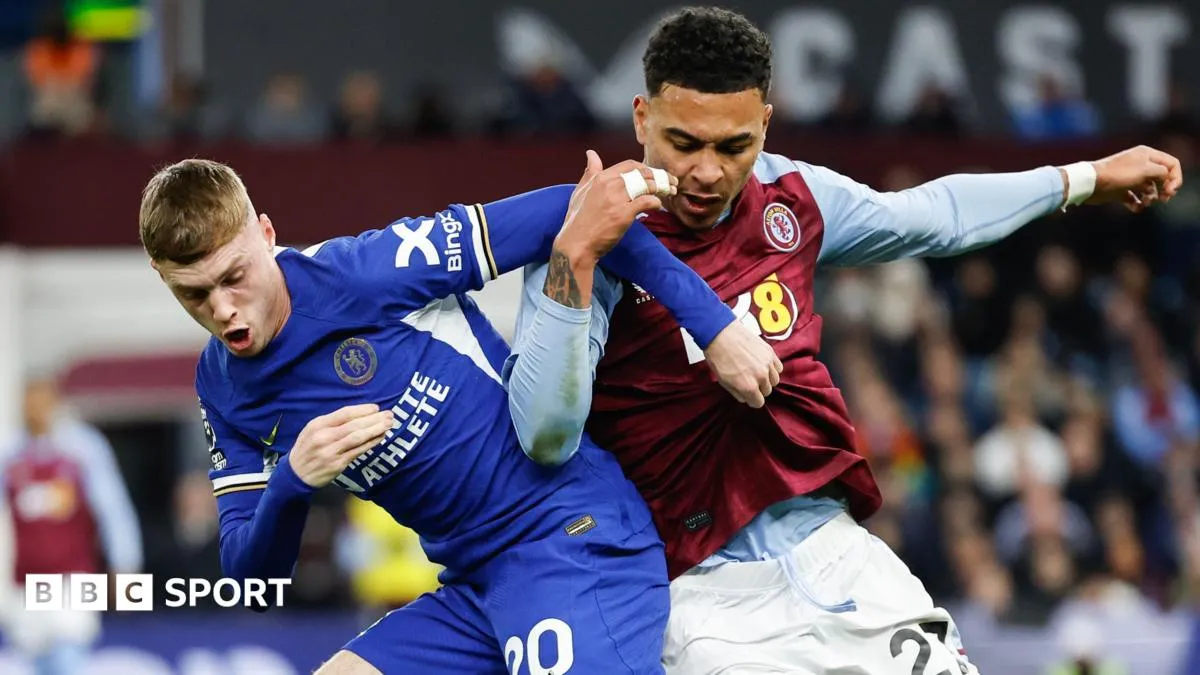
Rogers and Palmer fit Xabi Alonso's Chelsea attack perfectly, and the reasons are specific
Morgan Rogers' skill set complements Cole Palmer in Xabi Alonso's Chelsea, reshaping how they create chances together.

Noah Kahan pretends Congress calls to order diaper-wearing at concerts in DC stop
The stunt mixes absurd “regulatory” theater with real lessons about public trust and fan safety optics.