

Hollywood Walk of Fame locks Lil Wayne, Karol G, Smashing Pumpkins for 2027
The 2027 class expands beyond music-pop icons, with David Guetta, Linkin Park, Sia, and major posthumous honors.
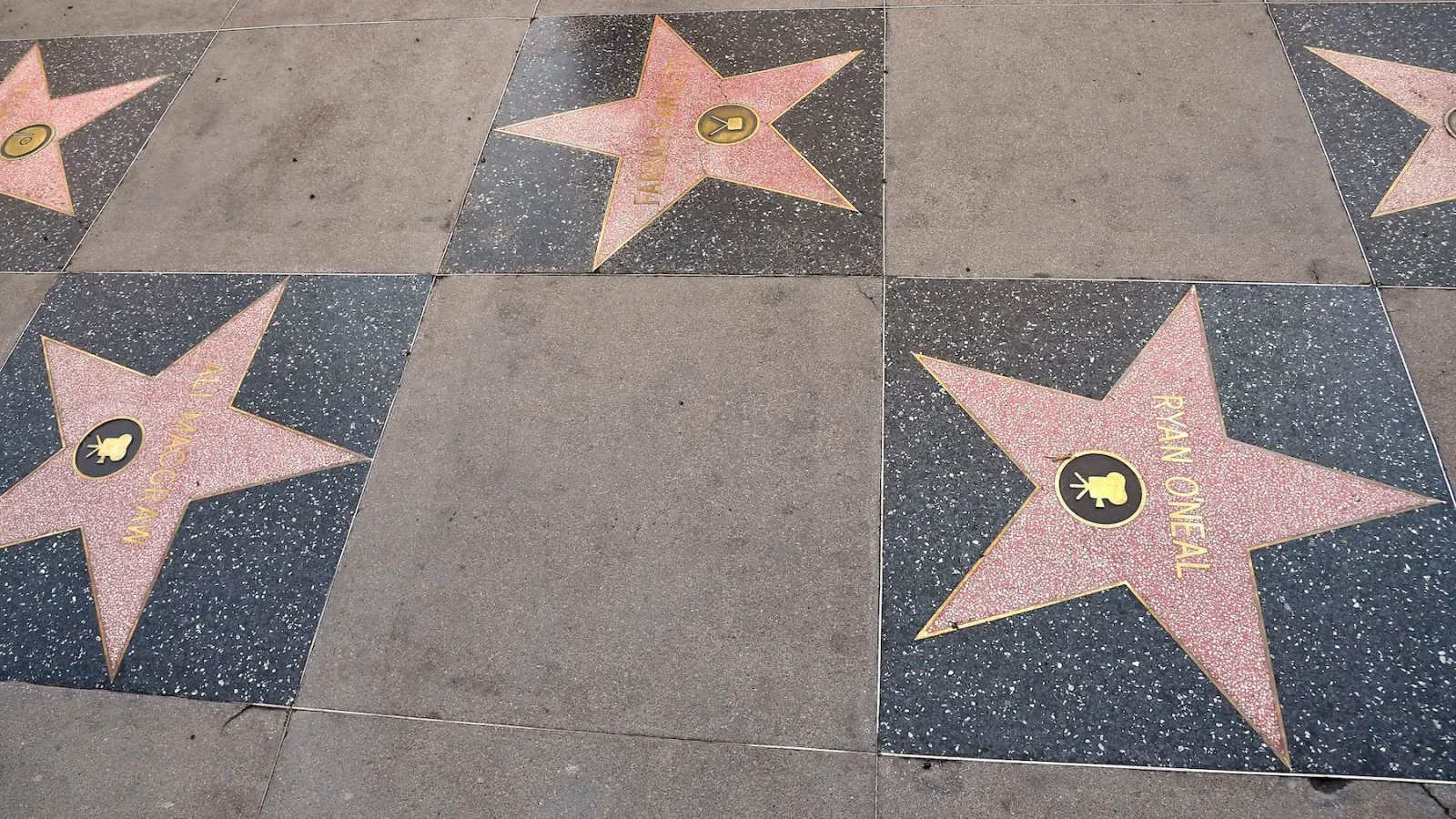
The Hollywood Walk of Fame’s 2027 honorees include Lil Wayne, Karol G, and Smashing Pumpkins, alongside David Guetta, Linkin Park, Sia, the Ramones, Grandmaster Flash, and posthumously Waylon Jennings. For executives, the expanding roster signals how legacy and mainstream impact get translated into a high-visibility, brand-safe public platform.
The Hollywood Walk of Fame’s 2027 honorees are already set, and the mix is a deliberate statement: Lil Wayne, Karol G, and Smashing Pumpkins are joining the class. The same announced list also includes David Guetta, Linkin Park, Sia, the Ramones, and Grandmaster Flash, with Waylon Jennings receiving the honor posthumously.
For anyone who thinks this is just a feel-good destination for tourists, the business logic is hiding in plain sight. Walk of Fame ceremonies are one of the most recognizable public ways the entertainment world “certifies” cultural impact. By choosing artists who span rap, global pop, rock, electronic, punk-rooted lineage, and hip-hop history, the 2027 slate turns a location-based honor into a multi-genre audience contract, long before any marketing team can fully translate it.
David Guetta’s inclusion, for example, matters because it reflects how electronic music has become part of mainstream event culture. Linkin Park brings in a rock band whose broader reach helped define a late-2000s era of stadium-level popularity. Sia adds a songwriter and performer profile that has consistently moved through mainstream charts, but is also widely known for her behind-the-scenes creative imprint. Together, they show that the Walk of Fame is not only selecting household names, but also selecting artists whose work operates at more than one layer of the industry.
Then there is the roster that anchors the harder-to-replicate parts of music history. The Ramones and Grandmaster Flash represent different sides of the story, with punk’s early cultural footprint on one hand and hip-hop’s foundational phase on the other. These are the kinds of honors that function like institutional memory. If you run a label, a management firm, a publisher, or a media brand, this matters because recognition cycles influence how audiences and partners interpret “importance,” not just “popularity.” It also shapes what gets licensed, cataloged, and promoted when the industry has to decide where attention should go next.
Waylon Jennings, honored posthumously, adds another dimension: the Walk of Fame also curates what endures after the final tour. Posthumous recognition changes the timeline of value creation. Instead of rewarding only current momentum, it validates long-term contribution and puts it into a permanent, publicly visible format. That kind of permanence is valuable to rights holders and estates because it supports evergreen cultural relevance, and it can create repeated visibility when new generations rediscover older work.
One reason this 2027 class reads like a strategy, not just a list, is the variety of fan communities involved. Lil Wayne represents modern rap at global scale, while Karol G signals the expanding center of gravity for Latin pop in mainstream international markets. Smashing Pumpkins represents rock's capacity to return with meaning, not just nostalgia. When a single honor platform includes artists at different points in their cultural arc, it reduces the risk that any one demographic, geography, or genre will be treated as “the only one that matters.” That portfolio approach is a lesson for boards and executives across entertainment. Diversify the symbolic exposure, and you diversify the audiences that feel represented.
For executives, the second-order impact is practical. These ceremonies are media moments. They generate coverage, create shareable visuals, and can be leveraged by partners without needing to invent new narratives. In a world where attention is expensive and short-lived, a Walk of Fame star functions like a pre-approved spotlight. It is also unusually “regulatory-safe” in the sense that it is not a platform where a company has to take immediate responsibility for every individual claim. The honor itself is the headline, which means stakeholders can ride the legitimacy of the institution while focusing on their own distribution, programming, or catalog strategy.
So the stakes for decision-makers are less about who gets the star, and more about what this signals. If the Walk of Fame keeps widening its lens across genres and timelines, the industry should expect more institutional recognition that blends breakthrough influence with long-term legacy. For executives working with artists, rights, audiences, or cultural brands, that is a cue: visibility frameworks are evolving. The 2027 class, from David Guetta to Lil Wayne to the Ramones and beyond, is a snapshot of what the mainstream will canonize next.
This story's Key Insights and Take-aways are locked.
Create a free account to unlock Executive Actions for one credit.
Register to UnlockAlways free for Executives Club members. Join the Club
More in Entertainment
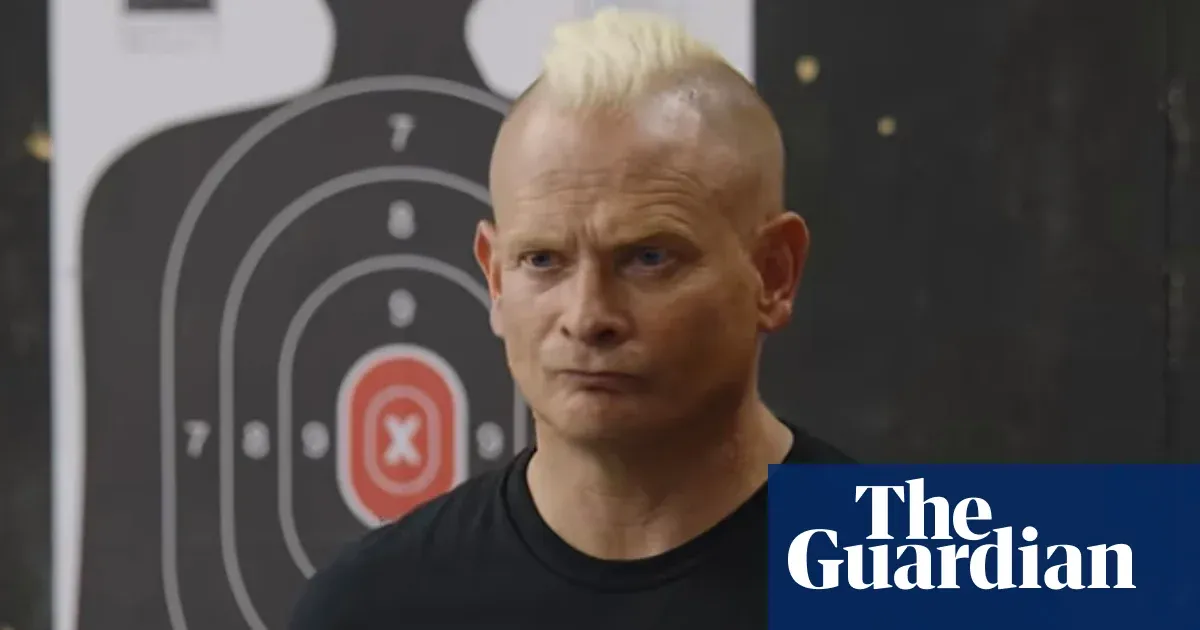
Ali G's 'stooge' says he was in on joke, outplayed Sacha Baron Cohen
A 54-year-old aspiring actor says he recognized Sacha Baron Cohen mid-shoot, kept his MAGA act up, and let the film-makers think they had fooled him.

Entertainer Russell Brand denies 7 sex charges amid accuser's 'couldn't breathe' claim
The alleged victim's account sharpens the reputational and legal stakes for Brand, his platforms, and any business tied to a public figure under criminal scrutiny.

Russell Brand's accuser 'bewildered and confused' as he denies 7 sex charges
The criminal case against the comedian is a live test of how media companies manage talent risk when serious allegations go public.