
Hot September CPI: energy costs surge, voters feel the squeeze before midterms
The latest inflation print lands as Trump campaigns for GOP control of Congress, putting cost-of-living worries at the center of the midterm fight.
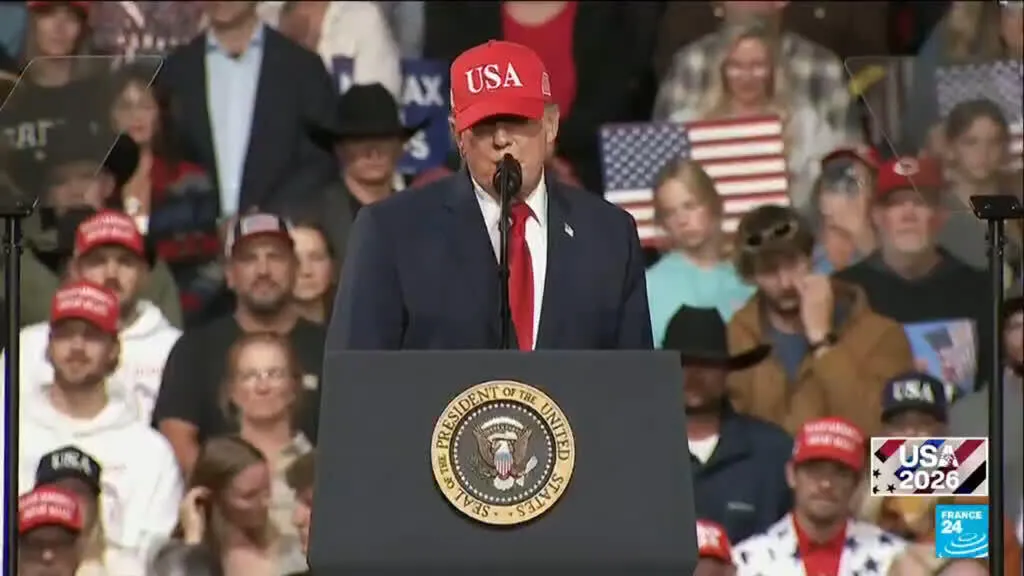
President Donald Trump and Republican leaders face a fresh political headwind as September consumer inflation came in hotter than expected, with energy costs climbing amid Washington's war with Tehran. For decision-makers, the data signals that household cost pressures remain acute, complicating the GOP's midterm message and keeping inflation atop the policy agenda.
Consumer inflation in September ran hotter than forecast, government data showed Wednesday, with energy costs climbing as Washington's continued war with Tehran pushed prices higher. The report lands just weeks before the midterm elections, deepening strains on American households and giving both parties a fresh talking point in the fight for Congress.
The hotter-than-anticipated print is the latest sign that the cost-of-living crisis is not easing, even as President Donald Trump crisscrosses the country to shore up support for Republican candidates. Voter anxiety over high prices has been a defining issue of the campaign, and Wednesday's data reinforces that inflation remains a live wire for the administration and the GOP's effort to retain control of both chambers.
At the heart of the increase is energy. The administration's ongoing war with Tehran has kept upward pressure on oil and fuel prices, which feed directly into everything from gasoline to heating bills to shipping costs. For businesses, that means input costs are still climbing, squeezing margins and forcing tough choices about passing those costs on to consumers.
The political timing could hardly be more delicate. With the midterms now roughly a month away, the inflation report gives Democrats a cudgel to argue that Republican policies are failing working families, while Republicans are likely to blame the administration's foreign policy for the energy shock. Trump's campaign stops are already centered on economic messaging, and this data point will test whether the GOP can convince voters that its agenda will bring prices down.
For executives and investors, the implications extend beyond the ballot box. A hotter inflation reading typically keeps central banks on a hawkish path, which means borrowing costs are likely to stay elevated for longer. That has direct consequences for capital planning, debt refinancing, and consumer demand, especially in interest-rate-sensitive sectors like housing, autos, and discretionary retail.
The strain on households is also unevenly distributed. Energy costs take up a larger share of budgets for lower-income families, so sustained increases can hit spending power hard and shift consumer behavior. Companies that cater to price-sensitive shoppers may need to adjust their product mix or promotional strategies, while those with pricing power can still protect margins - but the window is narrowing.
The bigger strategic question is what happens after the midterms. Depending on which party controls Congress, the fiscal and regulatory landscape could shift, affecting everything from energy policy to tax rates to trade. For now, the smart play for leaders is to assume inflation stays sticky, model multiple scenarios for energy costs, and keep a close eye on how the political winds move policy in the coming months.
This story's Key Insights and Take-aways are locked.
Create a free account to unlock Executive Actions for one credit.
Register to UnlockAlways free for Executives Club members. Join the Club
More in Politics
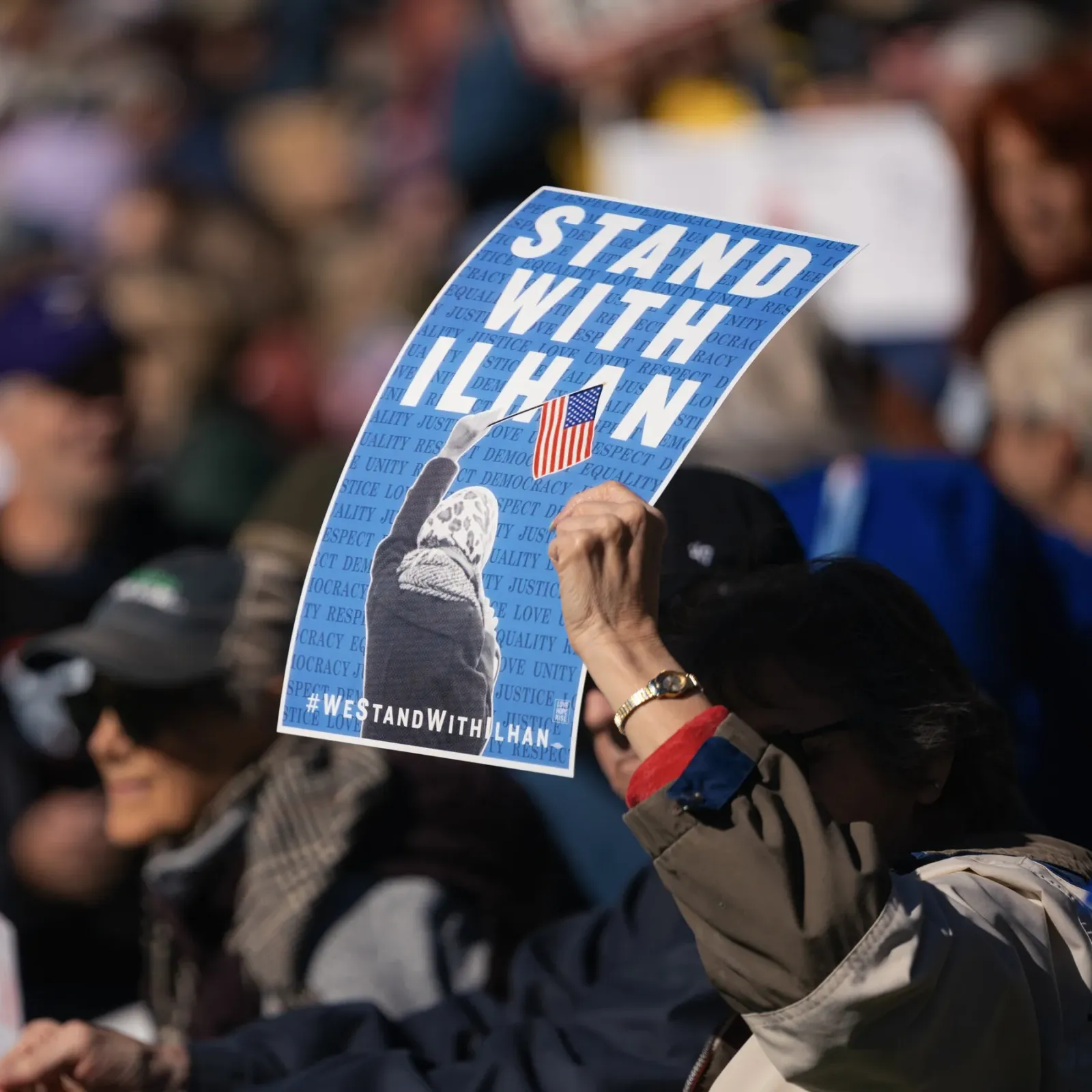
Obama Defends Ilhan Omar After Agents Search Her Home in Trump Inquiry
The former president's intervention raises the stakes in a federal probe into immigration paperwork that has put a prominent progressive lawmaker in the crosshairs.

Blair-era minister: cut welfare to fund youth job support
Alan Milburn's call for welfare cuts to fund employment support opens a Labour fight over benefits and the Neet crisis.

Bollywood Star Imran Khan Fights Oct. 28 India Exit Order in Court
Bollywood star Imran Khan's court fight over a protest-linked exit order puts every OCI cardholder's political risk in focus.