

Houthis declare a naval blockade on Saudi Arabia, rattling global energy markets
A new maritime escalation threatens supplies and prices, forcing energy, risk, and logistics leaders to move faster.
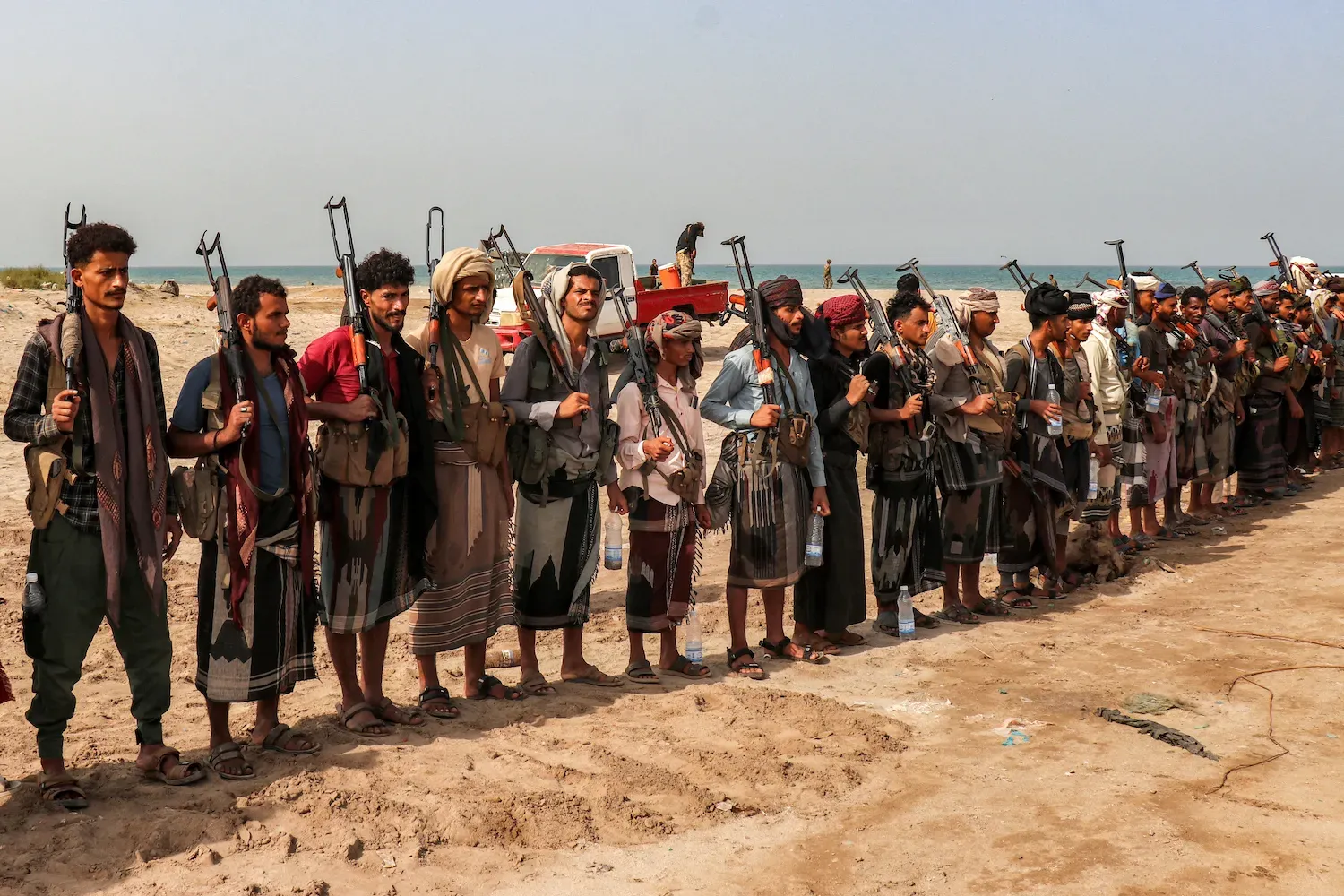
The Houthis have declared a naval blockade on Saudi Arabia. The move raises pressure on already-strained global energy markets, with consequences for decision-makers across energy, shipping, and risk management.
The Houthis have declared a naval blockade on Saudi Arabia, and the immediate story is not about tactics or diplomacy. It is about flow. When armed groups shift from sporadic strikes to a blockade posture, they change how insurers price risk, how shipping routes get planned, and how quickly markets react to any hint of supply disruption.
The core implication is straightforward: the blockade could increase pressure on already-strained global energy markets. For decision-makers, “already-strained” is the key phrase. It means there is less slack in the system than usual. Even small disruptions can have outsized effects when inventories are thin, demand is steady, and the market is already pricing multiple scenarios. When energy markets are tight, uncertainty itself becomes a cost.
To understand why this matters, it helps to remember how maritime risk transmits into energy pricing. Oil and related energy trade does not move in a vacuum. It relies on tanker capacity, port operations, and relatively predictable passage through key routes. A blockade declaration can trigger a chain reaction: shipowners and insurers reassess exposure; traders adjust cargo schedules; terminals may face operational constraints; and benchmark prices often respond before volumes actually change, because markets price the probability of disruption.
This is where “naval blockade” carries more market weight than a typical headline attack. A blockade signals sustained interference with maritime movement rather than a single event. That changes risk models. Insurers and underwriters look at duration and geography, not just impact. Even if the blockade is imperfect or enforcement varies, the market tends to react to the possibility of longer delays, route changes, and higher costs to move cargo. Higher costs can show up in freight rates first, then in delivered fuel and, eventually, in broader benchmark energy pricing.
For boards and executives, the second-order effects are often bigger than the first-order ones. Energy companies and utilities do not just worry about the price of crude. They worry about input costs across refined products, the stability of supply chains, and the timing of procurement. Logistics teams worry about how route planning affects lead times and customer service. Treasury and risk functions worry about hedging assumptions, collateral needs, and counterparty exposure.
There is also a regulatory and compliance angle, even if today’s story is about conflict. Energy markets are heavily shaped by frameworks that govern reporting, sanctions compliance, and shipping documentation. When tensions rise around a major producer like Saudi Arabia, global firms tend to tighten compliance processes and vendor screening. That can slow decisions, increase operational overhead, and create friction in procurement or trading. None of that needs to be a “new” regulation. In practice, companies often respond by internal policy tightening faster than regulators can react.
The strategic stakes extend beyond one country. Saudi Arabia sits at the center of global energy narratives because its production capacity and spare capacity influence how the world thinks about supply resilience. A blockade involving Saudi-linked maritime movement raises questions that investors and operators care about: Will production be affected through shipping constraints? Will export logistics face delays? Will the knock-on effects land in refiners and end users quickly? The headline is about a blockade declaration, but the market’s fear is about time-to-disruption, and whether that time-to-disruption collapses in a system already under pressure.
For executives in adjacent roles, including consumer-facing energy users, industrial operators, and logistics providers, this is the moment to stress-test assumptions. If the global energy market is already strained, then scenario planning should assume that volatility can accelerate faster than internal systems can adapt. That means revisiting hedging coverage and procurement schedules, checking routing and insurance exposure where relevant, and ensuring that risk reporting is clear enough for rapid board decisions. In other words, the blockade is a geopolitical move. The operational consequence is a market shock risk that can spread quickly, especially when the starting point is fragile.
This story's Key Insights and Take-aways are locked.
Create a free account to unlock Executive Actions for one credit.
Register to UnlockAlways free for Executives Club members. Join the Club
More in Politics

LA County: DOJ's 20,000 'noncitizen' voter list is 'unreliable,' includes U.S.-born
Preliminary review by Los Angeles County election officials finds errors in the federal list, raising the stakes for voter roll integrity ahead of November.

Trump's $1.5B Pentagon chip investment lands in North Carolina
A $1.5 billion defense infusion for North Carolina chipmaking signals a new era of Pentagon-backed reshoring - here's what it means for the industry.

Nigeria confirms first Ebola case in Abuja, a woman just off a Uganda flight
Health Minister Muhammad Ali Pate says the patient flew in from Uganda, putting Africa's latest outbreak on Nigeria's doorstep.