

How a band went from rescue-dog gigs to selling out arenas
A pop group turns messy early performances into political music, and defines what
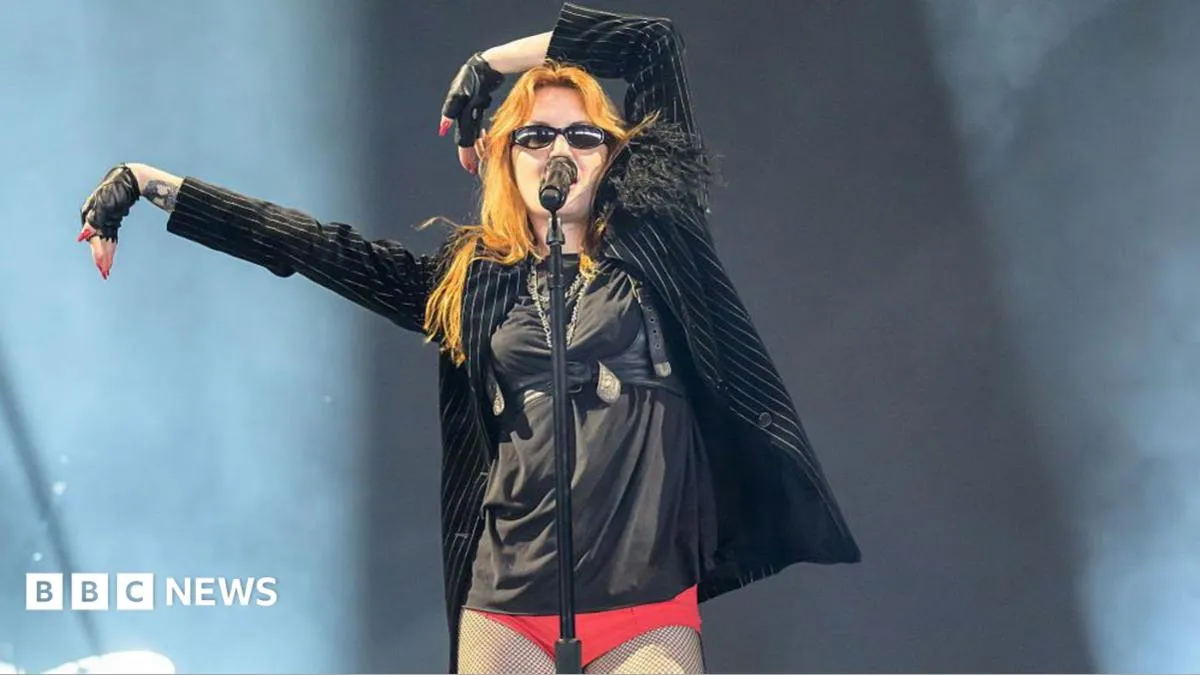
A pop band tells BBC News how they moved from playing for rescue dogs to selling out arenas, while reflecting on disastrous gigs and their political music choices. The consequence for decision-makers: it shows how identity-led storytelling and community roots can scale into mass audience demand.
A pop band has a story that starts where most pop careers are supposed to end: playing gigs for rescue dogs. According to BBC News (Entertainment), the group then escalated to a point most artists only dream about, selling out arenas, all while talking openly about the disasters that came along the way.
The BBC account ties the whole arc together. The band discusses “disastrous gigs,” the process of putting political action into music, and what they mean by “queer pop.” In other words, this is not a tidy “overnight success” narrative. It is a messy, iterative climb, where early shows likely tested the product-market fit of their sound and the clarity of their message. Then the demand arrives anyway, in the form of arena sellouts.
That combination matters because it challenges a common assumption in media and entertainment: that you either choose politics or you choose mass appeal. BBC News frames the band as doing both. They put political action into music, then keep pushing the creative identity through their label of “queer pop.” For executives, this is a real-world reminder that audiences are not only bigger than “one demographic.” They are also willing to show up for artists whose messaging is specific, as long as the music is good and the identity has emotional honesty.
The “disastrous gigs” part is also the underrated business lesson. Live performance is a stress test. It is where songs either land or do not. It is where stage presence meets crowd behavior. It is where the gap between an artist’s intent and an audience’s interpretation becomes painfully real. If the band had early shows that did not work, that likely forced hard decisions: tighten the set, revise arrangements, improve pacing, or find a better way to translate the political message without turning it into a lecture.
There is also a governance angle. When artists move from smaller venues into arenas, the organization around them usually gets thicker. Booking, ticketing, production budgets, marketing spend, PR risk management, and legal review expand as revenue stakes rise. Arena-level audiences are more mainstream, which often means more scrutiny. Political themes can trigger backlash, and “queer” labels can invite both support and controversy depending on the region and media environment. The band’s ability to scale while staying true to “queer pop” suggests either disciplined risk navigation or strong brand insulation through loyal fans who treat the politics as part of the art, not a sideshow.
On the regulatory side, the entertainment industry is shaped by rules that vary by platform and jurisdiction. While BBC News does not specify regulations in this segment, it does emphasize political action in music. In practice, executives preparing tours and campaigns have to account for platform policies, advertising standards, and content moderation norms, especially when political messaging is involved. Even when nothing is “illegal,” compliance teams often still need to decide how to frame or age-restrict content, how to handle sponsored promotion, and how to manage disputes around on-stage statements, merch, or social posts. The second-order implication is that the creative team and the operations team cannot operate as separate islands once the show becomes a commercial machine.
Then comes the market flywheel: community roots. BBC News starts with gigs for rescue dogs. That detail is more than a feel-good opener. It implies an origin in real-world causes, not just online marketing. For executives, community-based beginnings can create durable fan relationships. People show up more reliably when they feel the artist is part of their lived values. That loyalty can smooth the early career volatility that often surrounds “disastrous gigs,” and it can provide the base from which growth becomes statistically easier, even when the broader market is unpredictable.
Finally, the “meaning of 'queer pop'” piece acts like a brand strategy, whether the band says it that way or not. Genres are shorthand. They guide discovery. They also set expectations. When a band defines what “queer pop” means to them, they are reducing ambiguity for fans and critics. That clarity can convert casual listeners into committed supporters. In corporate terms, it is category leadership in a niche category that can still broaden without losing its identity.
The strategic stake for peers is straightforward: if a band can go from rescue-dog gigs to selling out arenas while discussing political action and “queer pop,” then identity-led music is not a niche dead end. It can scale. But scaling requires operational maturity. It requires learning from failures, surviving scrutiny, and building a message strong enough to travel from community spaces to mass venues. That is the kind of playbook executives should care about, because it is not just culture. It is demand, retention, and the economics of turning meaning into momentum.
This story's Key Insights and Take-aways are locked.
Create a free account to unlock Executive Actions for one credit.
Register to UnlockAlways free for Executives Club members. Join the Club
More in Entertainment
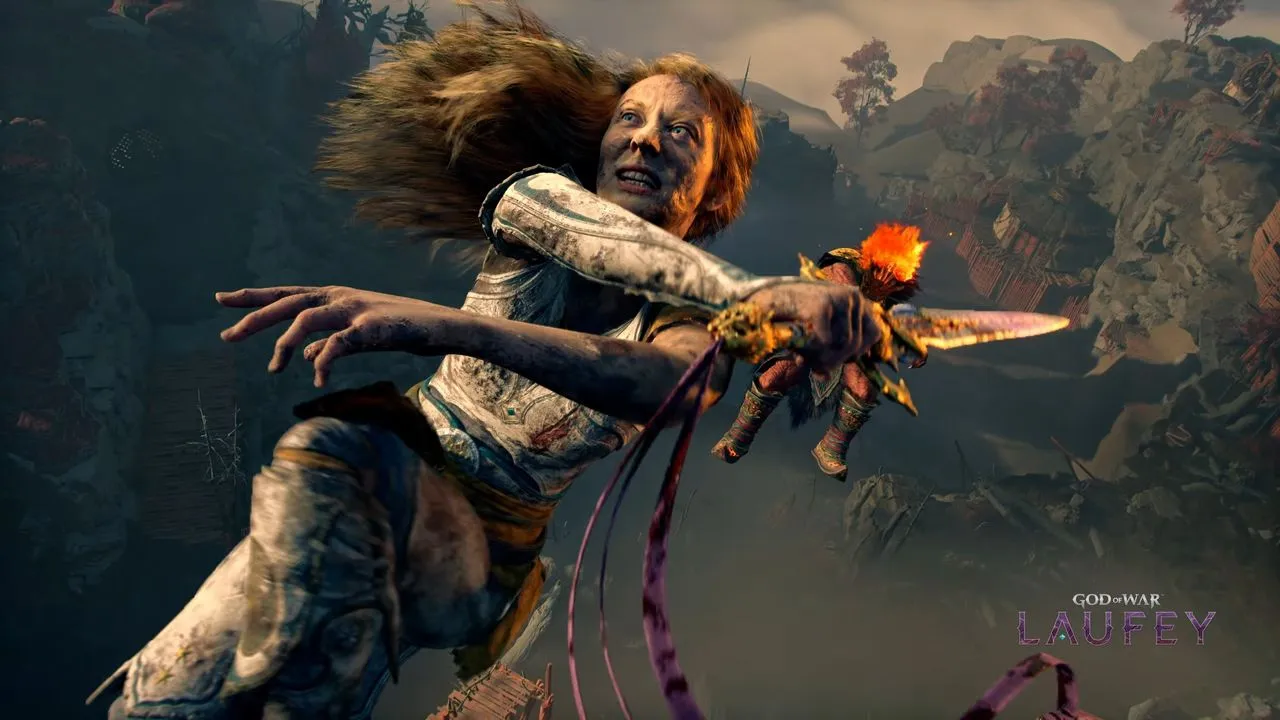
Cory Barlog sets God of War Laufey for Feb. 16, 2027 and reshuffles PlayStation’s February pileup
The PS5 exclusive gets a date, a disc confirmation, and lands in a month already crowded with Persona 4 Revival and Fable.

Project Hail Mary’s $684M run fuels a Hulu surge, 5 months later
Phil Lord and Christopher Miller’s sci-fi hit with Ryan Gosling keeps climbing, turning a “maybe once” watch into a platform winner.

GTA 6 Ultimate cosmetics trigger backlash over what players get for the extra cost
Rockstar sells exclusive looks in the Ultimate edition, and some buyers question whether the player customization payoff is worth it.