
How the US, China, Europe and Russia will read Keir Starmer’s No 10 rise
BBC correspondents outline how major powers are likely to interpret the UK’s expected new prime minister and what it could change.

BBC correspondents look at how Keir Starmer, expected to become the UK’s new prime minister, is being regarded across the US, China, Europe, Russia and elsewhere. The implications for decision-makers are immediate: perception shapes diplomacy, market expectations, and how quickly governments and businesses align.
BBC correspondents are asking a deceptively simple question with serious consequences: across the US, China, Europe, Russia and elsewhere, how is the UK’s expected new prime minister being regarded? The story is not about tea-leaf reading for its own sake. In global politics, who a country picks to lead, and how that leader is interpreted abroad, can change the tone, timing, and even the negotiating posture of every follow-on conversation.
So what will foreign capitals make of him? That is exactly what the BBC’s overseas reporting is framed to tackle, by mapping the reputational lens through which multiple powers are looking at the incoming UK prime minister. The headline stakes here are about interpretation: perceptions travel faster than policy drafts, and they can lock in assumptions before any new government has fully settled its agenda.
To understand why this matters, it helps to remember how “regarded” turns into real-world leverage. Diplomatic engagement often starts from baseline expectations: whether a counterpart believes the UK will be tough or accommodating, aligned or independent, predictable or erratic. Those expectations shape what gets requested in meetings, what gets postponed, and which issues get elevated to the top of the agenda.
Markets and businesses operate on the same logic, just with different paperwork. When a new prime minister is “expected” and then perceived a certain way abroad, investors and firms tend to update risk models. Not because the policy has happened yet, but because the probability of certain outcomes shifts. That includes areas where the UK is tightly connected with trading partners and regulatory frameworks, such as cross-border investment flows, supply chain confidence, and the credibility of government commitments.
There is also the regulatory background, which may sound dry until you connect it to how governments signal seriousness. The UK is not only a political actor; it is a regulatory one. Other jurisdictions track whether the UK’s direction looks stable, whether it looks like continuity, or whether it looks like a reset. That matters for European counterparties, for global firms trying to interpret compliance costs, and for governments that coordinate on sanctions, export controls, or technology rules. Even before new legislation appears, perception can influence how quickly counterparts decide to cooperate, how readily they share information, and how cautious they become.
Then you add the “elsewhere” list that the BBC correspondents highlight, because the reputational map is not uniform. The US, China, Europe and Russia will not assess the UK from the same strategic angle. The US tends to focus on alliance coordination and shared priorities. China often looks at trade and technology relationships, and how partners handle sensitive economic leverage. Europe usually weighs the practical mechanics of regional cooperation. Russia, meanwhile, is viewed through a different security and geopolitical lens. All four can be “right” in their own way, and all can react differently to the same UK leadership change.
Second-order implications for executives and boards follow naturally from that fragmentation. If foreign governments interpret the new prime minister as more or less aligned with particular blocs, then firms with exposure to those blocs may see shifting policy risk. Supply chain planning, partner contracting, and government affairs strategy can all be affected. For companies that depend on stable frameworks across multiple jurisdictions, the biggest danger is not only that policy changes, but that the perception of how policy will change diverges from reality, creating mismatched expectations that take time to correct.
The strategic stakes for peers in similar roles are therefore not confined to London. Any executive working with government stakeholders, any investor underwriting cross-border risk, and any board managing geopolitical exposure is effectively monitoring a reputational signal. If the BBC’s correspondents are mapping how major powers regard the UK’s expected new prime minister, they are also mapping how fast foreign counterparts may decide what kind of negotiations they are about to have.
This story's Key Insights and Take-aways are locked.
Create a free account to unlock Executive Actions for one credit.
Register to UnlockAlways free for Executives Club members. Join the Club
More in Politics

Glacial collapse, not rain, killed 180 in Nepal's Himalayan flood
The Himalaya's extreme geography hid the true cause of Nepal's catastrophic flood, a glacial collapse that turned a geological battleground into a mass-casualty zone.
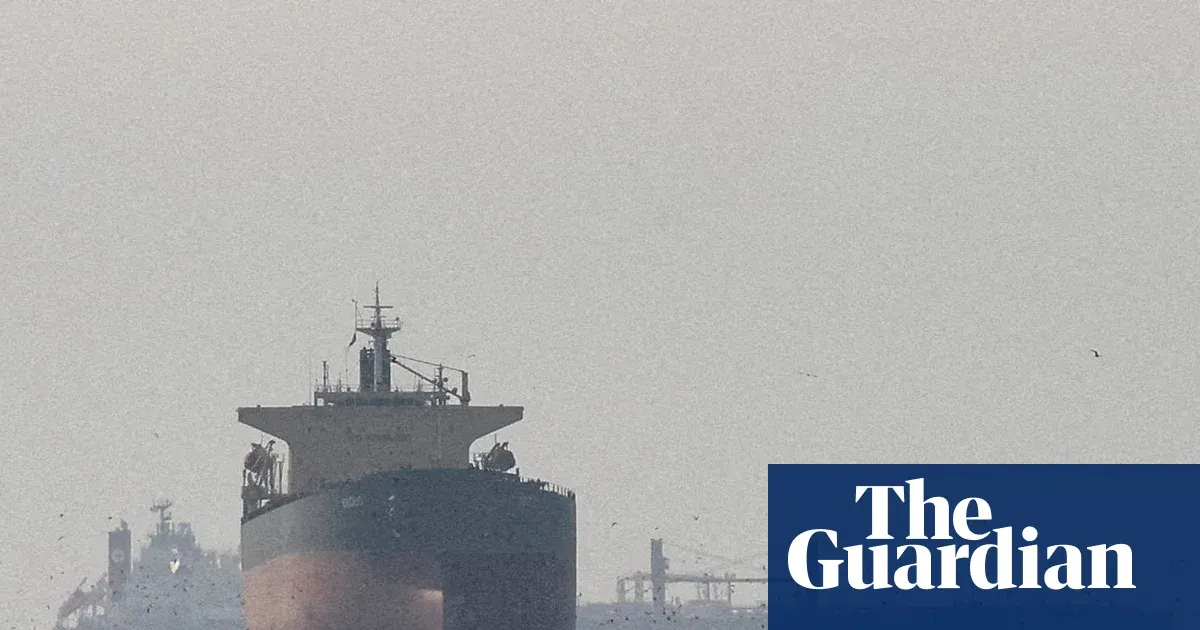
Iran’s Esmail Baghaei says Oman talks start shipping via Hormuz, not US talks yet
Temporary route plans with Oman aim to restart commerce while Tehran says Washington dialogue is not on the table.
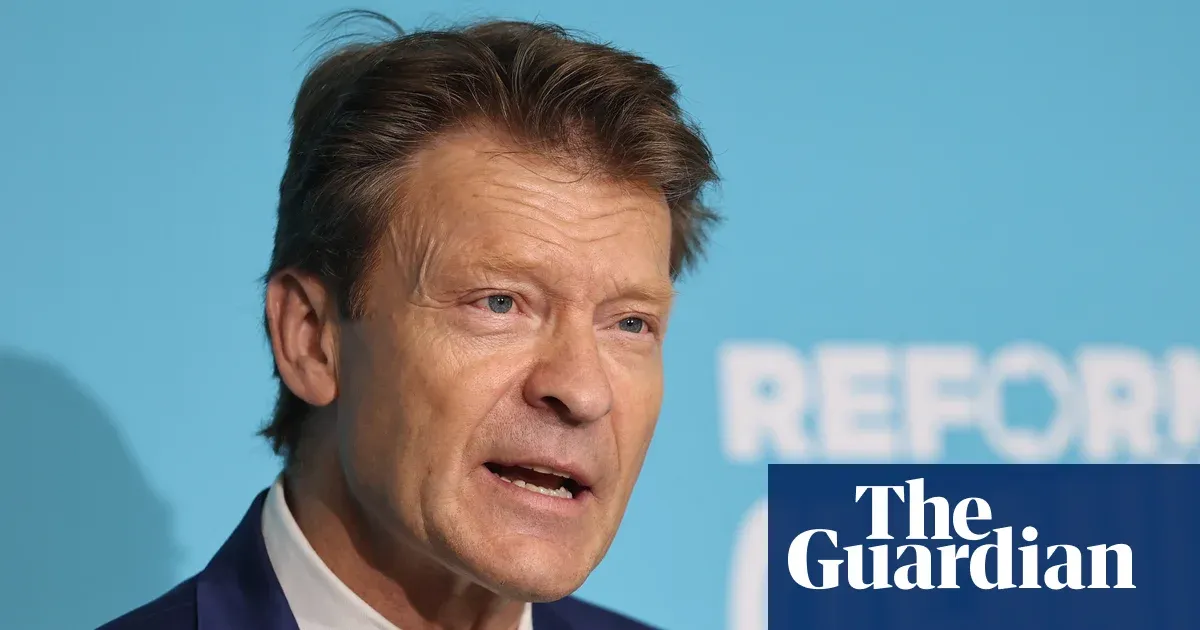
Standards watchdog opens probe into Reform UK deputy leader Richard Tice over interests
The parliamentary standards commissioner says it began an investigation on 28 July into a possible undeclared interest.