

Hunter Doohan uses “Evil Dead Burn” to pivot from Jenna Ortega’s “Wednesday” into horror royalty
The 32-year-old actor turns a decade-long grind into two major genre platforms, signaling how momentum compounds in streaming-era casting.
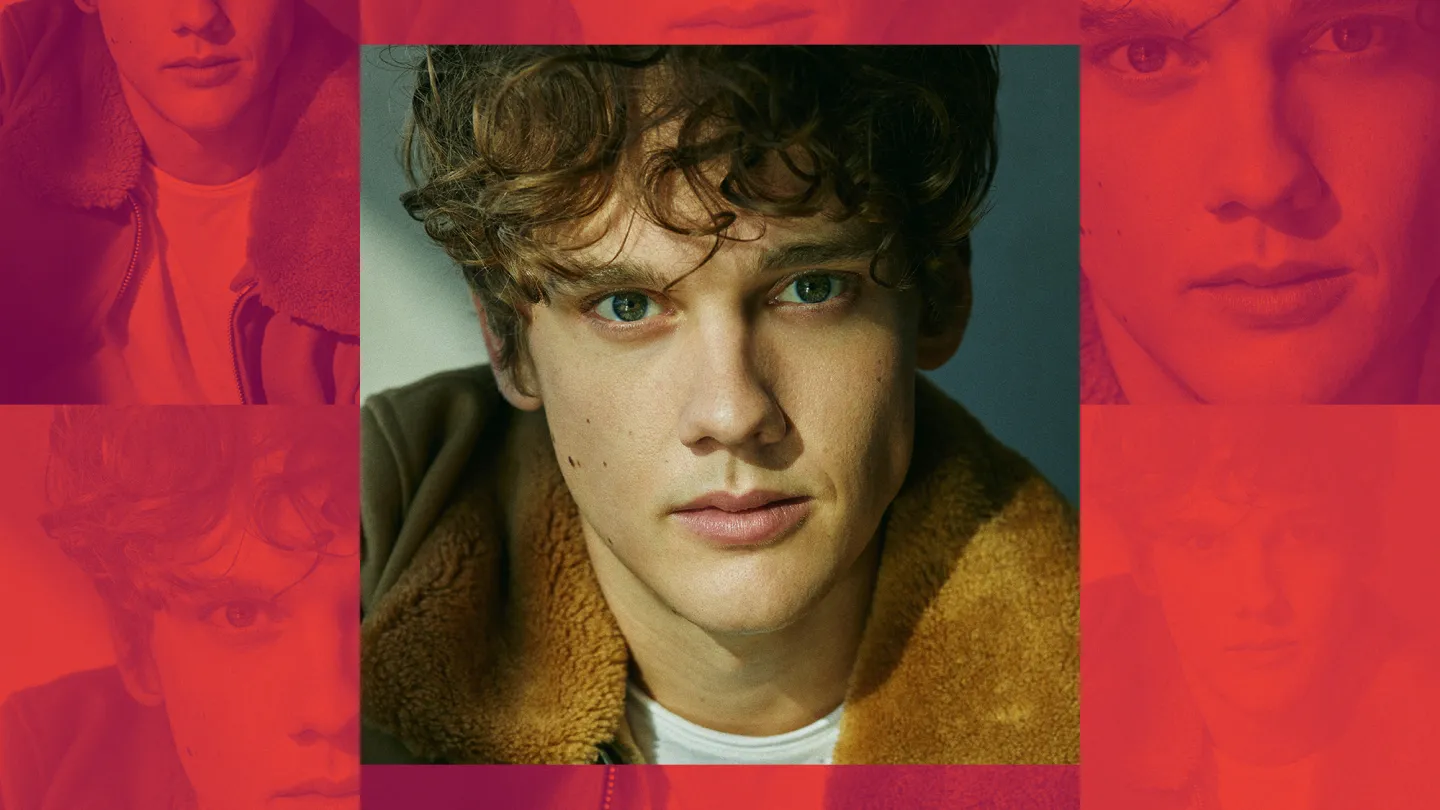
Hollywood Reporter highlights Hunter Doohan, 32, whose decade-plus journey has landed a recurring role in Jenna Ortega-led Netflix’s “Wednesday” and now a turn in the long-running “Evil Dead” horror franchise. For decision-makers tracking talent, the development underscores how recurring streaming visibility can translate into franchise leverage.
Hunter Doohan’s career pivot is getting loud, and it is happening in two very different worlds: prestige-streaming and legacy horror. The Hollywood Reporter describes the 32-year-old actor as someone whose decade-plus journey is finally paying off, first through his recurring role in Jenna Ortega-led Netflix’s “Wednesday,” and now through his turn in the long-running “Evil Dead” horror franchise.
In other words, Doohan is not just showing up in one wave of pop culture. He is moving between platforms that reward different things. “Wednesday” is built for bingeable characterization and algorithm-friendly reach, while “Evil Dead” sits inside a franchise that thrives on cult recognition and genre continuity. The second-order effect is simple and important: once you become visible in a major stream, you can carry that attention into a franchise that already has an audience built in. For executives, casting is often treated like taste. But in streaming-era entertainment, casting has become a pipeline. Visibility acts like currency.
This matters because genre is one of the few categories where audience behavior is unusually consistent. Horror fans tend to follow series continuity and actor familiarity. At the same time, the streaming ecosystem has trained mainstream viewers to discover talent through serialized hooks, then decide whether they want more from that performer. That is why the “Wednesday” to “Evil Dead” arc is worth watching. It suggests an intentional, or at least naturally convergent, strategy: build a broad recognition base in a high-visibility series, then translate it into a property with a durable brand.
For boards, producers, and talent strategists, the bigger question is how momentum compounds across different audience segments. Streaming hits can be fleeting, but recurring roles give actors repeat exposure. That repeat exposure is exactly what helps an actor become a safer bet for next steps, especially when projects require investors and partners to buy into both audience demand and franchise cohesion.
There is also a market-logic angle here. The entertainment industry operates with a constant tension between novelty and reliability. New IP is expensive to explain and harder to underwrite. Familiar franchises reduce that risk, not because they guarantee profit, but because they bring built-in audience expectations. When a performer transitions into a long-running series like “Evil Dead,” the franchise gets an infusion of contemporary visibility. The franchise benefits from modern attention. The actor benefits from legacy distribution and dedicated fans. In a sector where risk management is increasingly about “how do we validate demand,” that kind of cross-pollination is valuable.
Meanwhile, streaming series like “Wednesday” are not just cultural moments. They are also data engines. Even if the source does not spell out metrics, the industry reality is that major platforms track engagement and recurrence. Recurring roles tend to become part of an audience’s learned viewing pattern, and that can strengthen an actor’s negotiating power for later projects. It also helps marketing teams target multiple audiences without starting from zero. In practical terms, if you are a producer greenlighting a horror project, you want talent that can headline promotional cycles while still respecting the franchise’s DNA.
The “Evil Dead” franchise adds another layer because horror properties often have long half-lives. Fans return for tone, references, and continuity. They also tend to celebrate actors who feel like they belong in the world, not like they were dropped in as novelty. Doohan’s described move into that franchise implies he is positioned for that kind of genre acceptance, not just mainstream cameo value. That is a meaningful distinction. Horror audiences can be picky, and that selectivity is precisely why franchise casting is such a high-stakes lever.
So what does this mean for the wider operator set? If you are an executive overseeing slate strategy, casting can be treated as a growth loop, not a one-time decision. If you are on the talent side, Doohan’s path shows how a recurring streaming role can act as an accelerant into legacy franchise opportunities. And if you are a creator or investor evaluating risk, the takeaway is that today’s breakouts are increasingly multi-platform. Talent visibility, genre alignment, and franchise continuity are converging into a single career thesis: build audience trust in one ecosystem, then cash it into another where brand power does the heavy lifting.
This story's Key Insights and Take-aways are locked.
Create a free account to unlock Executive Actions for one credit.
Register to UnlockAlways free for Executives Club members. Join the Club
More in Entertainment
12TB Steam 'teraleak' goes beyond Valve: GTA 3, Mafia 2 prototypes exposed
A 12-terabyte dump of Steam data reveals prototypes and builds of third-party classics like GTA 3 and Mafia 2, plus unreleased Valve content, rewriting game history.

LinkedIn's romance problem: 1 in 4 workers say dating on it is fair game
A new survey shows a quarter of U.S. employees treat the professional network as fair game for romance, even as LinkedIn bans it and removes hundreds of thousands of offending posts.
Enhypen's first No. 1 album breaks K-pop's Billboard 200 streak
The K-pop group's 98,000-unit debut tops the chart while Dolly Parton's catalog reentry shows how death reshapes streaming.