
IBM and Arm just fused two architectures into one 5.7GHz chip
The new 2nm processor pairs IBM's mainframe DNA with Arm's power efficiency - but don't expect it in your next gaming rig.
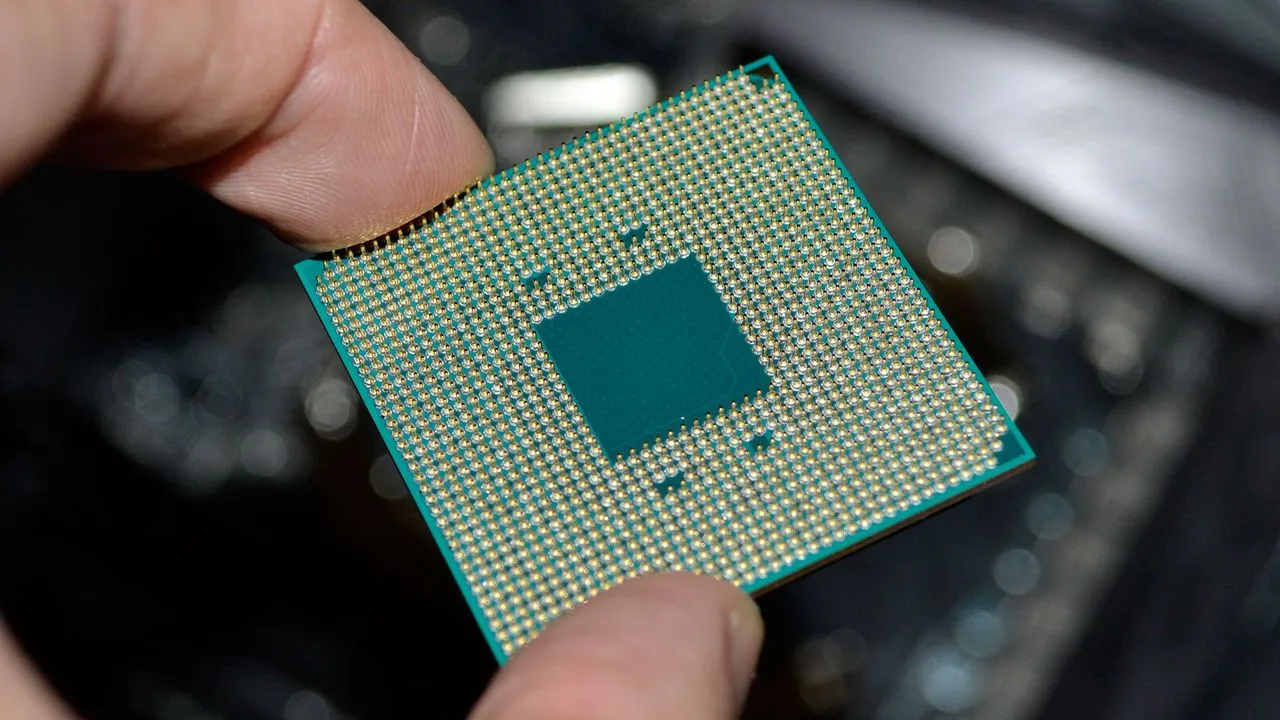
IBM and Arm unveiled a co-designed chip that runs both architectures on a single 2nm die, hitting 5.7GHz. The move targets enterprise workloads, giving cloud and AI players a new option while leaving PC gaming aside.
IBM and Arm just pulled off a crossover that sounds like a tech fanfic: a single 2nm chip that runs both IBM's proprietary architecture and Arm's instruction set, clocked at a blistering 5.7GHz. The new processor, announced today, packs 11 high-performance cores, AI inference accelerators, and an on-chip data processing unit - all designed for the enterprise data center, not your gaming rig.
That last part matters. While the specs would make any PC enthusiast drool, IBM and Arm are explicitly targeting 'the next era of enterprise infrastructure' - cloud and AI workloads that demand both raw compute and power efficiency. The chip is built on a 2nm process, a node so advanced that even the best consumer gaming CPUs haven't touched it yet.
This isn't the first time IBM has tried to bridge two worlds. Back in the mid-1990s, the company developed the PowerPC 615, a chip that could run both PowerPC and x86 code, with the active instruction set selected at boot. That chip was reportedly intended for Apple during the clone era, but it never made it to market. Now, three decades later, IBM is reviving the concept with Arm instead of x86 - and this time, it's actually shipping.
The strategic logic is clear. Arm's architecture dominates mobile and is rapidly eating into data centers, with over 22 million developers building for it. By putting Arm cores alongside its own, IBM gives enterprises a seamless path to run Arm-native software - think Linux containers, AI inference, and cloud-native apps - without abandoning IBM's mainframe reliability, security, and scalability. For Arm, it's a beachhead into mission-critical environments where IBM has decades of trust.
Mohamed Awad, Arm's EVP of the Cloud AI Business Unit, framed it as an ecosystem play: 'As enterprises scale AI and modernize their infrastructure, the breadth of the Arm software ecosystem is enabling these workloads to run across a broader range of environments.' He added that the collaboration 'extends the Arm ecosystem into mission-critical enterprise environments and gives organizations greater flexibility in how they deploy and scale these workloads.'
The timing is no accident. AI inference is moving from the cloud to the edge, and enterprises are demanding chips that can handle both general-purpose compute and specialized AI tasks without burning through power budgets. IBM's new chip, with its dedicated AI accelerators and on-chip data processing unit, is designed to be a one-stop shop for that convergence. But it's also a reminder that the PC gaming market, where IBM once had a foothold, is now a distant afterthought for this kind of silicon.
For executives watching the silicon wars, this collaboration signals a broader trend: the lines between CPU architectures are blurring. Instead of choosing between x86, Arm, or proprietary designs, the future may be chips that speak multiple languages. That has implications for procurement, software portability, and vendor lock-in. Companies that bet on a single architecture could find themselves at a disadvantage as hybrid chips become the norm.
The real test will be in the field. IBM and Arm haven't announced specific customers or pricing, and the chip's performance in real-world enterprise workloads remains to be seen. But the fact that these two giants are collaborating - rather than competing - suggests they see a future where the best chip isn't defined by a single instruction set, but by how well it can straddle the old and the new. For now, gamers will have to look elsewhere, but for the data center, this could be the start of something big.
This story's Key Insights and Take-aways are locked.
Create a free account to unlock Executive Actions for one credit.
Register to UnlockAlways free for Executives Club members. Join the Club
More in Technology

Google quietly links your phone number to every Android account on your SIM
Adding a SIM now ties your phone number to all Google accounts - and future accounts inherit it. Here's the security and privacy stakes.

Hijacker AI 'Skynet mode' runs 100,000 attack steps against exposed models
Symantec caught a criminal AI agent that borrows other models, steals data, and mines crypto; the only relief is no confirmed victims yet.

Nvidia's AI-financier shift faces its first big test as neoclouds stumble
A rout in neocloud stocks is forcing investors to weigh Nvidia's hidden exposure as both supplier and lender to the AI buildout.