
Indeed: AI job titles surged 3x in the US since 2022, spreading beyond tech
Hiring signals show AI moving from “engineer work” into sales, HR, legal, support, education, healthcare, and even trucking.
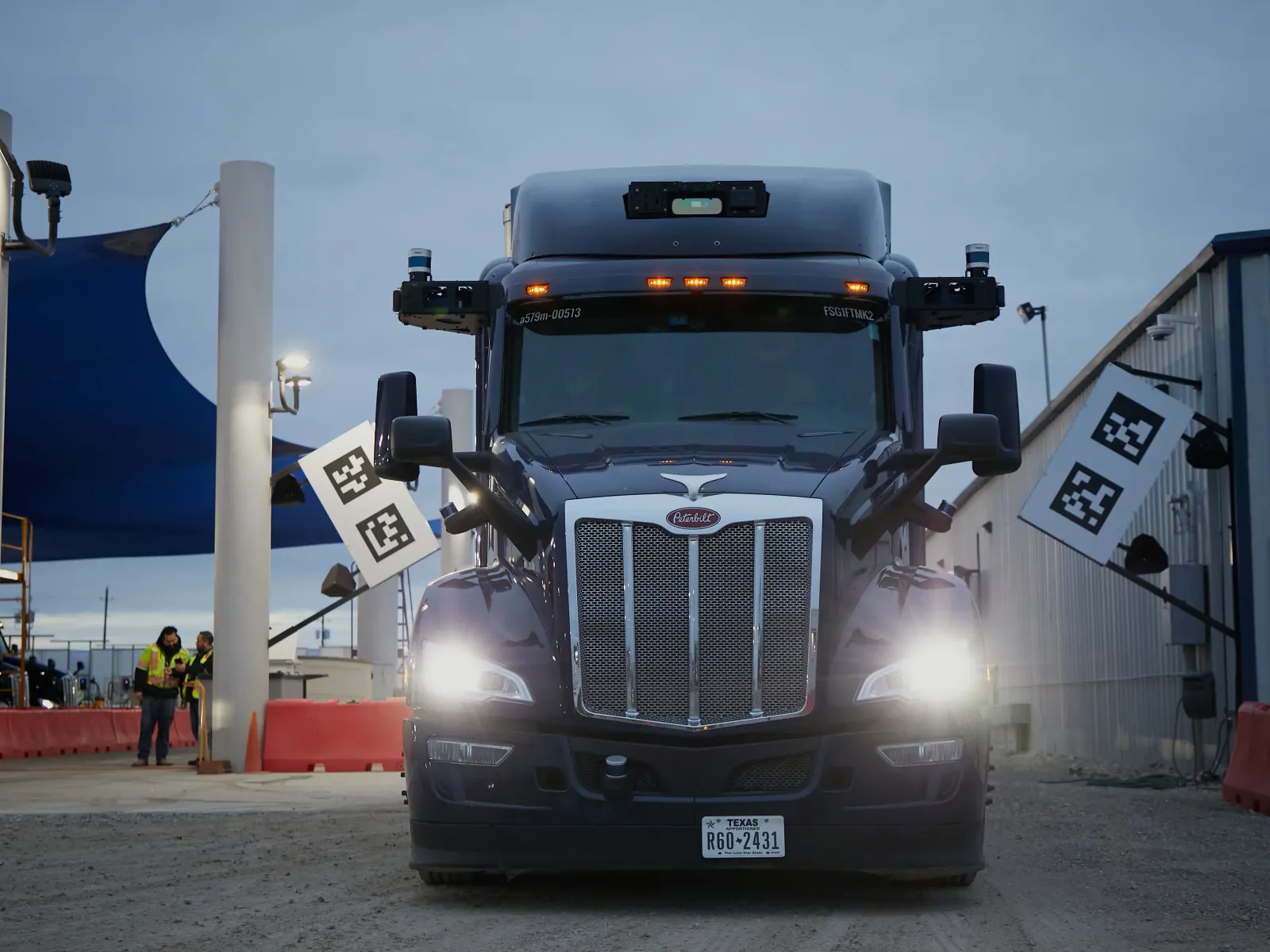
Indeed data shows employers increasingly adding AI directly into job titles for non-tech roles across regions, including the US and Europe. The implication for decision-makers: AI adoption is turning into a broad workplace requirement, not just a software trend.
AI is no longer mostly a software story. New data from Indeed shows employers are increasingly adding AI directly into job titles for non-tech roles, spanning sales, HR, legal, customer support, education, healthcare, and even trucking.
In the US, the number of “AI-touched” job titles has more than tripled since 2022. And in five of six major markets, most AI-labeled jobs are now outside the tech sector, a shift Indeed highlights across Germany, France, the UK, and the Netherlands, while Spain is the exception where AI hiring remains concentrated in traditional tech jobs.
So what does “AI job titles” actually mean in practice? According to the data described, employers are not just looking for technical builders. They are increasingly making AI a named part of the job itself. Indeed found that in five of the six markets it studied, most AI-labeled roles now fall outside the technology sector. That matters because it changes what “AI adoption” looks like inside companies. It suggests the demand is moving from who can build models to who can use them.
The roles being advertised underscore that shift. The story points to AI-enabled physical therapists, truck drivers, HR managers, marketers, salespeople, and teachers. The detail that stands out is the distinction between “use” and “build.” Employers are advertising positions that reflect worker productivity with AI tools, rather than staffing purely for engineering. That is a second-order change: it implies training, workflow redesign, and support systems have to catch up, because the frontline labor in many industries is where the technology is being operationalized.
There is also a geographic pattern worth treating as a signal, not trivia. The data suggests that AI is spreading across white-collar professions in multiple European markets alongside the US. Germany, France, the UK, and the Netherlands are specifically named as joining the US in seeing AI show up outside tech. Spain is the only exception, with AI hiring still concentrated in traditional tech jobs. For executives, that unevenness matters because it hints that adoption timelines and workforce dynamics are not synchronized globally. Companies operating across borders may need different enablement strategies depending on where AI hiring is already embedded into non-tech roles.
Zoom out further and the market mechanics start to look familiar. Many industries typically adopt new tools by threading them into existing workflows first. That is what the described hiring trend appears to do. Rather than creating an entirely new category of AI-only workers, employers are adding AI to the responsibilities of existing occupations. Indeed’s finding that AI adoption is becoming a broad workplace phenomenon, rather than a Silicon Valley story, is essentially the punchline. The AI economy is increasingly about augmenting existing jobs, not just creating new technical ones.
This is where the board-level relevance kicks in. When job titles shift quickly, companies can face pressure in multiple directions at once. Hiring teams need to understand what “AI” means for the role, while HR needs to interpret whether requirements are truly skills-based or just buzzword-driven. Managers need to align performance metrics to AI-supported workflows, and training budgets may need to expand beyond the people who used to be closest to the tech stack. Even if AI is “just a tool,” the story’s examples show it is becoming a labeled expectation inside job descriptions for both physical and knowledge work.
There is also an incentive angle that decision-makers should recognize. If employers are adding AI to titles across sales, customer support, legal-adjacent functions, education, and healthcare, they are likely responding to competitive and operational pressures, not only to talent fashion. Indeed’s US data showing the number of “AI-touched” job titles has more than tripled since 2022 suggests this is accelerating. Once competitors start signaling AI competence as part of standard hiring, companies that do not adapt can struggle to attract applicants who expect AI fluency to be table stakes.
The most strategic takeaway is simple: peers should treat AI-enabled work as an enterprise-wide hiring and deployment issue, not a niche tech department initiative. The Indeed data described here makes it clear that AI is moving into the broader economy, and that employers are reshaping recruiting language in roles that traditionally did not sit inside the tech ecosystem. If you are leading operations, HR, go-to-market, or workforce planning, the question is no longer “Is AI coming?” It is “How do we operationalize AI in the jobs we already run, at the pace the market is advertising for?”
This story's Key Insights and Take-aways are locked.
Create a free account to unlock Executive Actions for one credit.
Register to UnlockAlways free for Executives Club members. Join the Club
More in Technology

Google quietly links your phone number to every Android account on your SIM
Adding a SIM now ties your phone number to all Google accounts - and future accounts inherit it. Here's the security and privacy stakes.

Hijacker AI 'Skynet mode' runs 100,000 attack steps against exposed models
Symantec caught a criminal AI agent that borrows other models, steals data, and mines crypto; the only relief is no confirmed victims yet.

Nvidia's AI-financier shift faces its first big test as neoclouds stumble
A rout in neocloud stocks is forcing investors to weigh Nvidia's hidden exposure as both supplier and lender to the AI buildout.