

India forces Truecaller to hand its spam database to telcos
A new telecom rule turns Truecaller's proprietary spam data into a shared asset, threatening its competitive edge.
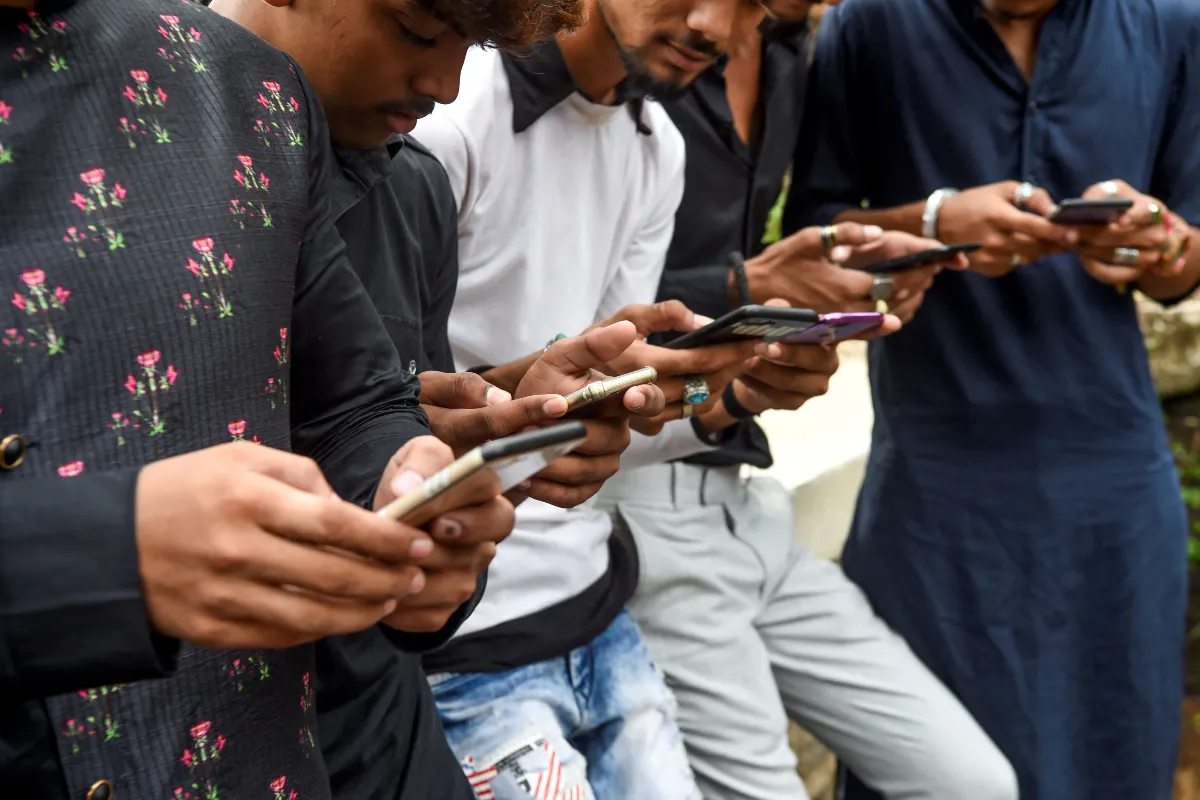
Truecaller, the popular caller ID app, is opposing India's new requirement that it share its spam-reporting data with telecom operators on a one-way basis, calling it a giveaway of a commercially valuable proprietary asset. For decision-makers, the mandate signals a broader regulatory push to force app companies to hand over data to incumbents, reshaping how spam-fighting and user data are monetized.
Truecaller, the caller ID app that has become a household name across India, is drawing a line in the sand over a new regulatory mandate. The company says India's requirement that it feed its spam reports to telecom operators on a one-way basis would hand over a commercially valuable proprietary asset to the very carriers it competes with for trust and user attention. The statement, sparse as it is, frames a fight that has been simmering for months: regulators want to crack down on spam and fraud, but they are demanding that the companies that built the best detection tools give away the crown jewels for free.
This story's Key Insights and Take-aways are locked.
Create a free account to unlock Executive Actions for one credit.
Register to UnlockAlways free for Executives Club members. Join the Club
More in Technology

Google quietly links your phone number to every Android account on your SIM
Adding a SIM now ties your phone number to all Google accounts - and future accounts inherit it. Here's the security and privacy stakes.

Hijacker AI 'Skynet mode' runs 100,000 attack steps against exposed models
Symantec caught a criminal AI agent that borrows other models, steals data, and mines crypto; the only relief is no confirmed victims yet.

Nvidia's AI-financier shift faces its first big test as neoclouds stumble
A rout in neocloud stocks is forcing investors to weigh Nvidia's hidden exposure as both supplier and lender to the AI buildout.