
Intel plus Nvidia chiplets hit early 2028, aiming for CES and handheld PC upgrades
A leak pegs Intel's Nvidia-graphics processors to Q1 2028, with rivals from Nvidia and AMD also landing.
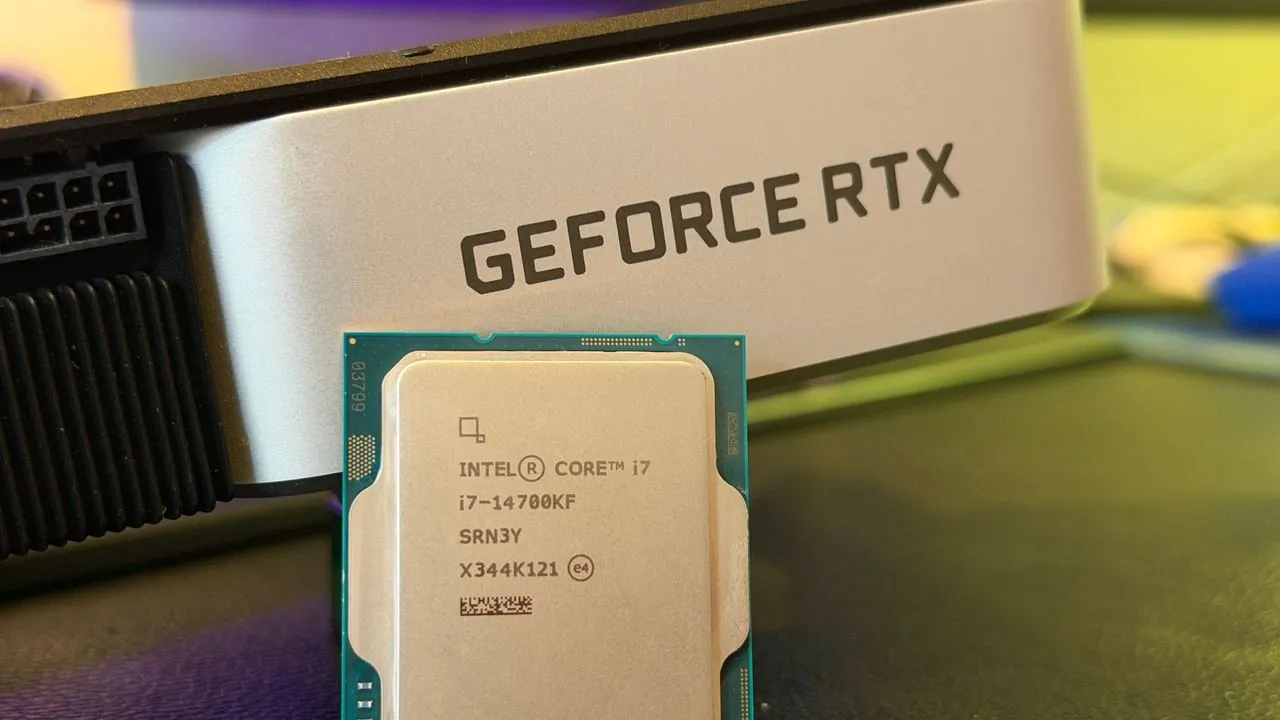
Intel and Nvidia plan to combine Nvidia graphics chiplets with Intel CPUs, and a new leak points to early 2028 for the first chips. For decision-makers, it could reset the handheld PC performance-efficiency playbook right as multiple APU generations converge.
Intel's first processors that pair Nvidia graphics chiplets with Intel CPUs are reportedly targeting Q1 2028, with CES 2028 as the likely launch moment. Tech journalist Erdi Özüağ says the Intel roadmap targets “the first quarter of 2028” for next-generation processors featuring Nvidia graphics units, and if plans do not change, the CES 2028 show could serve as the launch event.
That matters because 2028 is not just “another year of faster chips.” It is the moment when handheld PC gaming could leap forward, since these Intel-Nvidia parts would almost certainly feed the same APU category that powers devices like the Steam Deck and Asus ROG Ally. Put differently: if the calendar is right, 2028 is when handheld performance and battery life might finally align with the kind of silicon progress people have been waiting for.
So what is the actual roadmap collision here? The PC Gamer report ties the Intel-Nvidia timing to multiple simultaneous GPU and APU developments. It notes that an early 2028 launch would make it very likely that Intel processors with Nvidia chiplets would get upcoming Rubin graphics architecture. Nvidia has already revealed that a Rubin-based version of its own new RTX Spark CPU-GPU superchip will be launched in 2028, even though it is not known when RTX Rubin desktop graphics cards, potentially branded the RTX 60 Series, will arrive. Rumors in the piece suggest late 2027 or early 2028 for those desktop cards, which would synchronize mobile and desktop silicon generations more closely than many buyers are used to.
At the same time, Nvidia is not the only name that can bite. The report says Nvidia's second-gen RTX Spark is due in 2028, and that AMD could also launch new APUs in 2028, codenamed Grimlock Point and Grimlock Halo. Those are described as not actually next-generation, since next-generation chips called Medusa Point and Medusa Halo are due later this year or in 2027. In other words, by 2028, the market would be evaluating a full lineup of “high-performance handheld relevant” silicon rather than a single winner.
Under the hood, the story also leans hard on process technology, because it is hard for battery-powered devices to win on raw speed alone. The report frames 2028 as a year when multiple advanced nodes could be in mature production. It points to TSMC's upcoming N2 node being quite mature by then, and even calls out A14 as a possible option. For Intel, it says the Intel 14A node would supposedly be in full production by 2028. The practical executive read is straightforward: more advanced nodes let chips afford a higher transistor budget for more performance, while also potentially improving efficiency. That is the same equation handheld manufacturers and GPU teams have been chasing: faster, but also longer on the charger.
And if you are wondering why this is getting so much attention, it is because the handheld PC category is still shaped by a hardware bottleneck story. The report explicitly prays that the memory crisis is more or less over by then, otherwise these “fab new devices might be too expensive to really matter.” Memory availability and pricing are not a side plot. They can decide whether “amazing silicon” ships in volume, or gets trapped behind cost and supply constraints that dampen adoption. In a category built on custom silicon and tight power budgets, even small memory shifts can cascade into product timelines, bill of materials, and ultimately market momentum.
This report also sketches a plausible downstream for Valve's next hardware. It says 2028 is a plausible launch date for the second coming of Valve's super-popular Steam Deck handheld, and that Valve has spoken repeatedly about wanting to “wait for a really major advance in both performance and efficiency” before releasing a follow up. It adds that Steam Deck 2 is likely to get custom silicon. The connection is not guaranteed, but the timing logic is consistent with what the industry usually does: wait until the performance-per-watt story gets compelling enough that the device feels like a real generational upgrade rather than a spec bump.
Strategically, the competitive stake is that handheld PC makers, component suppliers, and platform investors all plan around a handful of “silicon landing” windows. If Intel and Nvidia really align for early 2028, with Nvidia's second-gen RTX Spark and AMD's Grimlock Point and Grimlock Halo also in play, that concentrates competition into a single procurement and roadmap cycle. It means handheld device refresh plans, custom APU decisions, and even software expectations will be forced to sync with a crowded 2028 hardware moment. And for boards and executives watching the consumer hardware ecosystem, that is the real question: will the memory situation allow these new chips to turn into devices people can actually buy, not just demos they can admire?
This story's Key Insights and Take-aways are locked.
Create a free account to unlock Executive Actions for one credit.
Register to UnlockAlways free for Executives Club members. Join the Club
More in Technology

Nvidia's $89B data center quarter: the 9 companies cashing in
The AI buildout is minting fortunes beyond GPUs, and memory, cloud, and cooling suppliers are riding the same wave.
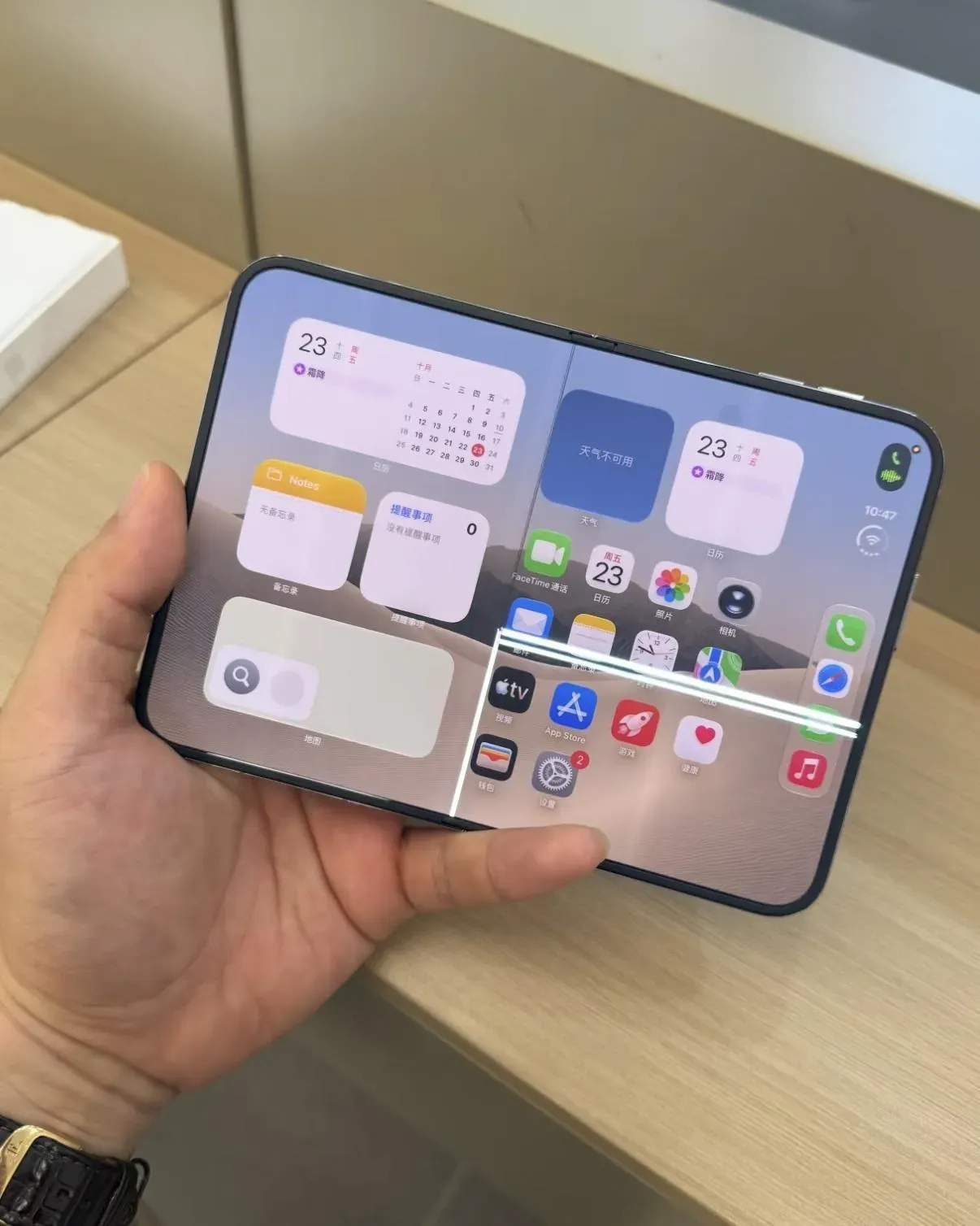
A YouTuber dissected the iPhone Duo and thinks he found crackgate's cause
CuriousHagi's teardown of Apple's foldable reveals a gear-like hinge that may explain why screens crack in the same spot within hours.

Google quietly links your phone number to every Android account on your SIM
Adding a SIM now ties your phone number to all Google accounts - and future accounts inherit it. Here's the security and privacy stakes.