

Iran closes the Strait again after ship attack, triggering 140-target US strikes
A merchant vessel incident in Hormuz rewound weeks of fragile diplomacy into a direct US-Iran showdown.

Iran struck a commercial vessel in the Strait of Hormuz and then declared the strait closed again as US forces launched strikes on about 140 Iranian military targets. For decision-makers in energy, shipping, and regional risk, the signal is clear: one maritime incident can rapidly turn into a multi-country confrontation.
The US and Iran are back in a loop where one ship attack can flip a regional security problem into something much wider. Sunday’s spark came when Iran struck a Cyprus-flagged container ship sailing through the Strait of Hormuz, prompting what the US called its biggest military response since the collapse of the ceasefire. Within hours, American forces launched strikes on about 140 Iranian military targets, and Tehran retaliated with missiles and drones aimed at Oman, Bahrain, Kuwait, Qatar, and Jordan.
That same day, Iran declared the Strait of Hormuz closed once again, threatening one of the world’s busiest energy and shipping corridors. This matters because Hormuz is not some abstract geopolitical puzzle. It is a real physical chokepoint where disruption turns into immediate operational and financial risk for shipping schedules, insurance costs, and energy flows.
What makes this escalation so dangerous is that it did not begin in a vacuum. Less than 24 hours earlier, Iranian and Omani officials met in Muscat to discuss reopening the Strait of Hormuz to normal commercial shipping. Oman proposed letting vessels use both the southern shipping lane in Omani waters and the northern lane in Iranian waters without additional approval requirements. Iranian officials said they would take the proposal back to Tehran for further consultations. Instead, within hours, diplomacy gave way to the largest military escalation since the ceasefire.
The immediate trigger is straightforward, and it is also the reason this is so hard to contain. Iran struck the Cyprus-flagged container ship after Tehran said the vessel ignored repeated warnings to follow an approved shipping corridor and described the strike as a warning. The ship caught fire, suffered significant engine-room damage, and its crew abandoned it. Washington rejected Iran’s explanation, calling it an attack on civilian maritime traffic and a direct threat to one of the world’s most important trade routes. Within hours, the Pentagon ordered another wave of military action.
Zoom out one step and the real dispute is not the ship, it is the rules of movement through the waterway. Although the interim agreement halted the fighting that began in February, it never resolved the central dispute over the Strait of Hormuz. Iran argues that, as a coastal state, it has the authority to regulate shipping through the narrow waterway and has repeatedly insisted vessels must follow routes approved by Tehran. The United States and its allies reject that position. They maintain that the Strait is an international waterway where commercial vessels must enjoy unrestricted passage under international law. That difference in “who gets to set the rules” is the fuse. Every confrontation at sea therefore carries the risk of becoming a direct military confrontation.
Operationally, the US framed Sunday’s operation as more than retaliation. The strikes hit about 140 Iranian military targets, including missile launchers, drone sites, ammunition depots, command-and-control facilities, and naval infrastructure. American officials said the objective was not simply to punish, but to restore deterrence by reducing Iran’s ability to threaten commercial shipping and international navigation. In other words, the message was meant for attackers and for everyone watching: attacks on merchant vessels would draw an immediate and overwhelming response.
Iran, however, broadened the battlefield rather than keeping it limited to American military assets. Tehran launched missiles and drones towards Oman, Bahrain, Kuwait, Qatar, and Jordan. Iran also claimed attacks linked to facilities supporting US naval operations in Oman. That approach raises second-order pressure on Washington’s regional partners, because retaliation is no longer just a US versus Iran story. It becomes a multi-country risk calculation for states hosting US forces and for companies operating where these countries sit.
Diplomacy is also taking another hit. Iran has again declared the Strait of Hormuz closed until what it calls American intervention ends. Supreme Leader Mojtaba Khamenei has vowed revenge for the killing of his father, former supreme leader Ali Khamenei. The United States says it remains willing to negotiate, but has warned that any further attacks on shipping or regional partners will invite stronger military action. With both sides refusing to compromise over Hormuz, the strait has become the center of the confrontation again, and the issue most likely to determine whether diplomacy survives or the conflict spirals into a wider regional war.
For executives, the practical takeaway is how quickly this kind of maritime dispute can outrun normal risk controls. Gulf News also reported that the UAE’s National Emergency Crisis and Disasters Management Authority (NCEMA) said the situation remained stable and that missile threats detected on Sunday morning were outside the UAE’s borders. India’s Ministry of External Affairs said one Indian national was missing after the attack on the commercial vessel near the Strait of Hormuz. Even when authorities say “stable,” the operational reality for shipping and energy remains: corridor closures, debris risks, and follow-on strikes can compress decision-making time to hours, not weeks.
This story's Key Insights and Take-aways are locked.
Create a free account to unlock Executive Actions for one credit.
Register to UnlockAlways free for Executives Club members. Join the Club
More in Politics
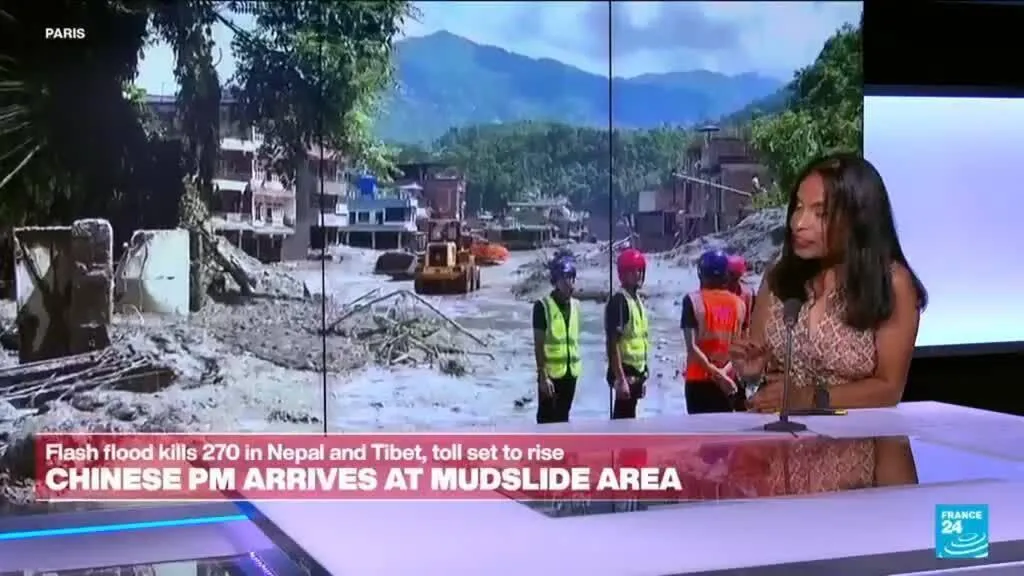
Glacial collapse, not rain, killed 180 in Nepal's Himalayan flood
The Himalaya's extreme geography hid the true cause of Nepal's catastrophic flood, a glacial collapse that turned a geological battleground into a mass-casualty zone.
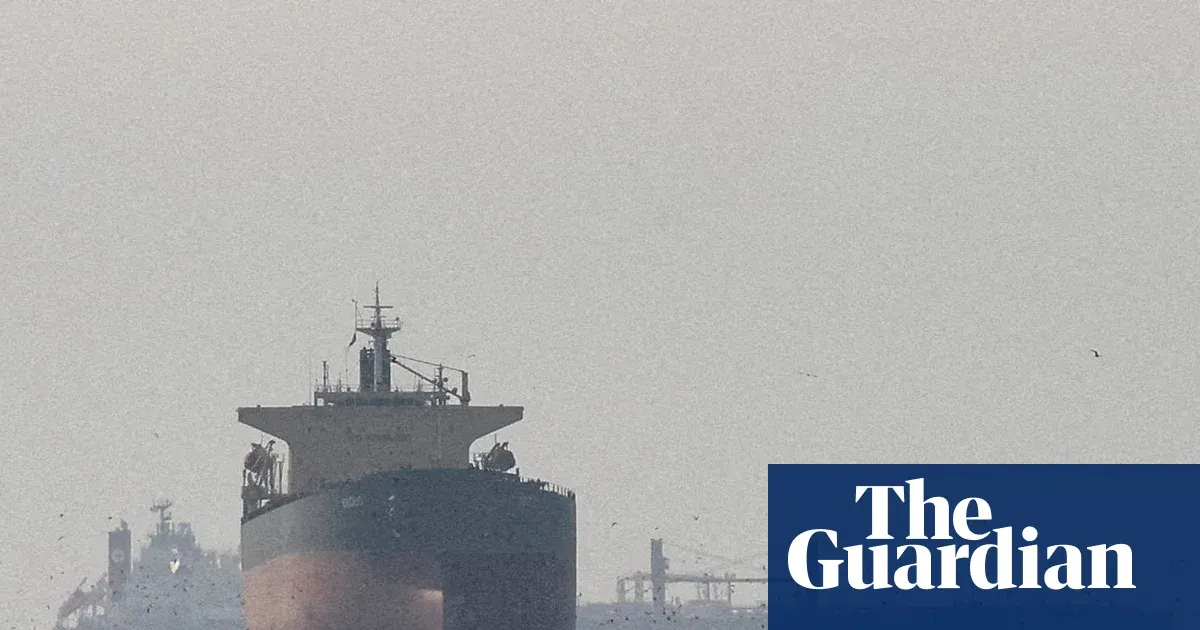
Iran’s Esmail Baghaei says Oman talks start shipping via Hormuz, not US talks yet
Temporary route plans with Oman aim to restart commerce while Tehran says Washington dialogue is not on the table.

Standards watchdog opens probe into Reform UK deputy leader Richard Tice over interests
The parliamentary standards commissioner says it began an investigation on 28 July into a possible undeclared interest.