

Iran’s ambassador Pasandideh blames “pseudo-VAR” after World Cup exit
A diplomatic victory lap turns into a forensic rant about video review calls and their measurable impact.
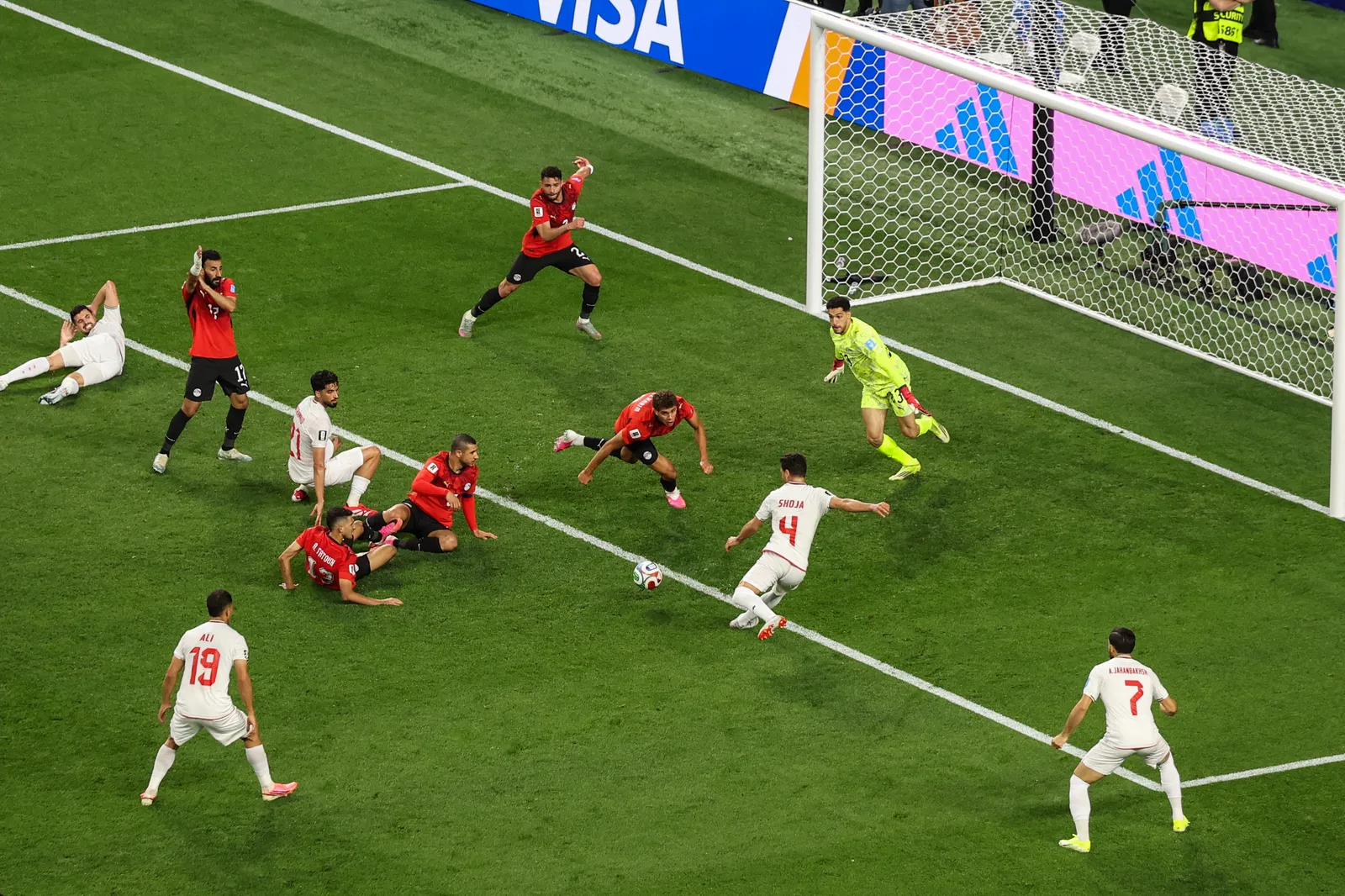
Iran’s ambassador to Mexico, Abolfazl Pasandideh, praised Iran’s World Cup team after elimination while blasting video review decisions he called “pseudo-VAR.” For decision-makers, the episode is a reminder that high-stakes tech in regulated environments can quickly become a governance and legitimacy issue.
Iran’s ambassador to Mexico, Abolfazl Pasandideh, praised the national soccer team after its elimination from the FIFA World Cup, then pivoted sharply to the controversy around the tournament’s video review decisions. In a lengthy statement to POLITICO, Pasandideh argued that Iran battled not only its opponents but also “fatigue, injustice, and hardships that rarely appeared before the cameras.”
Pasandideh’s central complaint was the role of officiating technology. He wrote that some moments were decided by “pseudo-VAR” interventions, arguing that “Perhaps some balls fell just centimeters short of bringing joy to millions of Iranians - centimeters that were not even measured by the linesman’s flag, yet were magnified by ‘pseudo-VAR’ interventions.” In other words, he framed VAR as something that can exaggerate tiny margins and, in his view, turn uncertainty into outcomes.
What makes this more than sports talk is how clearly the ambassador tied legitimacy to measurement. In regulated, rules-based arenas, tools like VAR are supposed to correct human error. But when teams, fans, or officials feel the system overrules or amplifies ambiguity, the debate stops being about one match and turns into an argument about trust. Pasandideh’s language does not just criticize a call. It suggests a mismatch between the reality of the sport and the certainty implied by technology, which is exactly the kind of governance conflict that surfaces whenever high-stakes decisions are routed through complex systems.
FIFA did not immediately respond to a request for comment, according to the report. That silence matters in a different way. In disputes involving controversial review decisions, the party that does not answer quickly often leaves a vacuum for narratives to harden. Pasandideh’s statement, delivered as a “lengthy statement to POLITICO,” effectively fills that vacuum with a storyline: the team faced not only opponents, but also conditions and decisions that were hidden from cameras until later. His framing positions technology as a magnifier of perceived injustice rather than a neutral arbiter.
Still, Pasandideh did not treat the World Cup run like a loss you simply absorb. He praised the players in overtly patriotic terms, comparing them to legendary Persian heroes including Arash and Rostam. He wrote that “true championship lies in loyalty to the flag,” and he addressed the players as the “brave sons of Iran,” saying they demonstrated a willingness to give “the last drop of life for Iran.” He then predicted the national team would return “stronger, more experienced, and more brilliant” in future international competitions.
That combination matters because it shows two incentives running in parallel. First, a diplomatic official wants to rally national identity and defend public morale after elimination. Second, he wants to challenge how the outcome was shaped, especially where video review can be perceived as altering the competitive balance. In governance terms, this is the classic tension between narrative and accountability: you can celebrate the values of the team while still contesting the decision-making process.
The second-order implication for executives, boards, and regulators is broader than soccer. When technology is used to adjudicate outcomes, stakeholders judge not only whether the system is technically accurate, but whether its measurement boundaries and escalation steps feel fair. Pasandideh’s emphasis on “centimeters” and on the fact that those margins were “magnified” by “pseudo-VAR” interventions is basically a case study in how precision language can inflame perception. If the system’s outputs communicate certainty while the underlying uncertainty is still large, trust becomes fragile.
For organizations operating in any rules-and-compliance environment, this is a reminder that legitimacy is part of the product. You can have a technically defensible process and still face reputational damage if the public thinks the system is amplifying the wrong errors. And if the adjudicator does not respond quickly, the loudest critique gets to define what happened.
Pasandideh’s comments end up projecting a two-track future: defend the team’s determination today, and contest the fairness of the tools that influenced outcomes tomorrow. For peers watching closely, the lesson is simple. High-stakes review systems need more than accuracy. They need transparency that reduces the space for “pseudo” narratives to take root, or at least the kind of communication that prevents silence from becoming an endorsement of the criticism.
This story's Key Insights and Take-aways are locked.
Create a free account to unlock Executive Actions for one credit.
Register to UnlockAlways free for Executives Club members. Join the Club
More in Politics

Kemi Badenoch says Andy Burnham’s Britain ambitions are “too small” after business rates cut
A business rates change for pubs and clubs triggers a sharper Conservative-versus-Labour fight over who is backing growth.

Trump pushes tariffs again after legal defeats, sparking GOP unease
Despite losing court fights, the administration moves forward, leaving Republicans to manage the political and market fallout.

Wilbur Ross warns Trump’s Iran exit is a midterms lose-lose: oil prices or “weak” withdrawal
The former commerce secretary tells Fortune the Strait of Hormuz is where voters decide whether “peace” is believable.