

Iran views Bahrain and Kuwait as attack targets, but the incentives are the real story
The Gulf states Iran targets first are not random. The logic behind Tehran's preferences changes how regional risk gets priced.
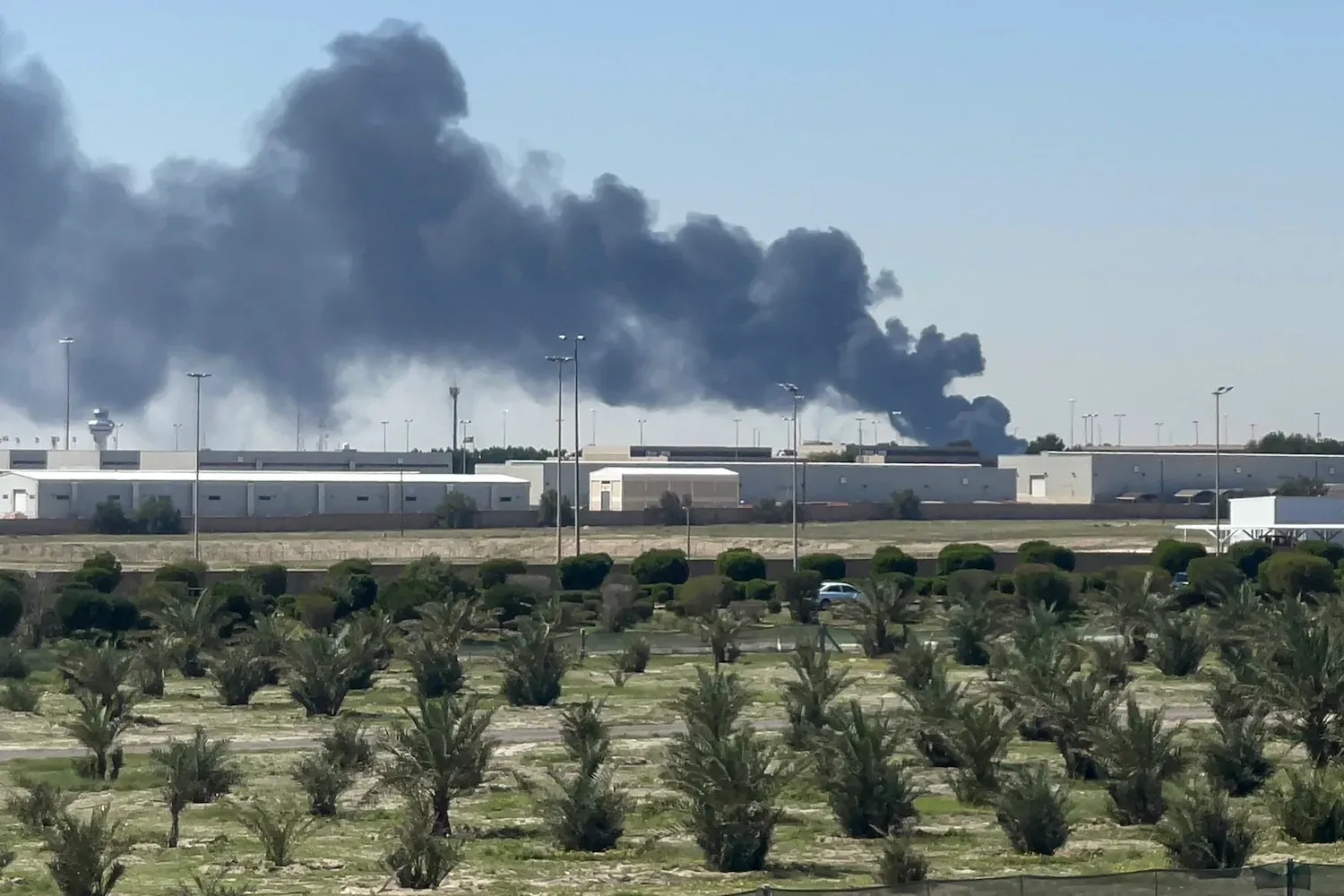
Foreign Policy examines why Bahrain and Kuwait have become Tehran's preferred targets in the Gulf. For decision-makers, the key takeaway is that this is about strategic incentives and vulnerabilities, not just geography.
Bahrain and Kuwait have become the Gulf states Iran thinks it can attack. That is the core claim in Foreign Policy's piece, and it matters because it reframes the question most executives ask first: where is the threat likely to show up? Instead, the story pushes a sharper lens, asking why these two particular countries. The answer is not just about proximity or headlines. It is about incentives, perceived leverage, and the political and security conditions that make some targets feel more “workable” than others to Tehran.
To understand why Bahrain and Kuwait stand out, you have to think like an actor planning for political and operational outcomes, not just using force for its own sake. Foreign Policy argues that these states have features that make them preferred targets for Iran. In other words, Tehran’s selection signals something about what it calculates: how likely it is to create disruption, how hard it expects the response to be, and whether it can shape the narrative around any escalation.
For executives, the big second-order issue is that “preferred targets” implies a pattern. Markets and risk teams do not price every risk event equally; they price the most probable channels. If a regional actor is focusing on specific countries, then contingency planning, insurance, supply chain routing, staffing continuity, and even local regulatory engagement do not stay theoretical. They become a timetable. Companies with assets, customers, or logistics exposure in Bahrain or Kuwait will likely find that scenario work shifts from generic to country specific, because the underlying threat model is country weighted.
There is also a governance angle. Bahrain and Kuwait are not monoliths; they have different political systems, different security relationships, and different internal dynamics. But the executive takeaway is about how those differences can translate into external vulnerability as perceived by a rival state. In state-to-state competition, perceived ability to withstand pressure is a form of power. If an attacker believes a target is more constrained, more divided, or more likely to avoid escalation, that target can move up the priority list. Foreign Policy’s framing puts those calculations in the foreground, implying that Tehran’s “preferred” status is tied to the conditions it thinks it can exploit.
Regulatory and compliance teams should also pay attention to what “attack preference” does to the operating environment. When tension concentrates on certain countries, governments often respond with tightening measures: heightened security requirements for ports and infrastructure, additional screening for cross-border movement, changes in licensing or procurement scrutiny, and more aggressive monitoring of finance linked to sanctions risk. Even when these moves are defensive, they have costs. They can delay shipping windows, increase documentation burden, and trigger more frequent audits. If the threat is expected to concentrate in specific markets, the compliance burden tends to concentrate there too.
Second, incentives do not just shape the attacker’s plan. They shape the defender’s posture. Bahrain and Kuwait will not respond the same way to identical threats, because each government balances security risk against economic stability, social cohesion, and international relationships. That means escalation management is partly domestic and partly diplomatic. For boards and senior management, the relevant question becomes: how quickly would local authorities move, and what would that mean for operations? A threat model that singles out particular states suggests that planners at the sovereign level will be actively shaping readiness in those places, and that can spill into the business environment through new procedures.
Finally, there is a regional market implication that executives often underestimate: attention itself can move the cost of capital. Investors treat geopolitical risk as a function of both probability and impact. If Foreign Policy’s argument is right that Iran prefers Bahrain and Kuwait, then those markets may see a different risk premium than neighbors that are not currently seen as the same priority. That affects everything downstream, from financing terms to real estate valuations to the willingness of counterparties to take on long-dated contracts.
The strategic stakes extend beyond Bahrain and Kuwait, though. A “preferred targets” pattern tells other Gulf and Middle East stakeholders what kind of pressure points are being tested. It is a warning that the region’s security and economic stability are linked. Executives at companies with cross-border exposure should treat this as an input to their risk dashboards: not a reason to panic, but a reason to update the weighting of scenarios. When an adversary is focusing on specific places, your job is to make sure your organization is not still running the old model.
This story's Key Insights and Take-aways are locked.
Create a free account to unlock Executive Actions for one credit.
Register to UnlockAlways free for Executives Club members. Join the Club
More in Politics

LA County: DOJ's 20,000 'noncitizen' voter list is 'unreliable,' includes U.S.-born
Preliminary review by Los Angeles County election officials finds errors in the federal list, raising the stakes for voter roll integrity ahead of November.

Trump's $1.5B Pentagon chip investment lands in North Carolina
A $1.5 billion defense infusion for North Carolina chipmaking signals a new era of Pentagon-backed reshoring - here's what it means for the industry.

Nigeria confirms first Ebola case in Abuja, a woman just off a Uganda flight
Health Minister Muhammad Ali Pate says the patient flew in from Uganda, putting Africa's latest outbreak on Nigeria's doorstep.