
Iran-war trading shifts Latin America’s oil cash to exporters despite looming geopolitical risk
A few Latin American oil exporters are monetizing the Iran shock, and other players need to watch what changes in prices and policy.
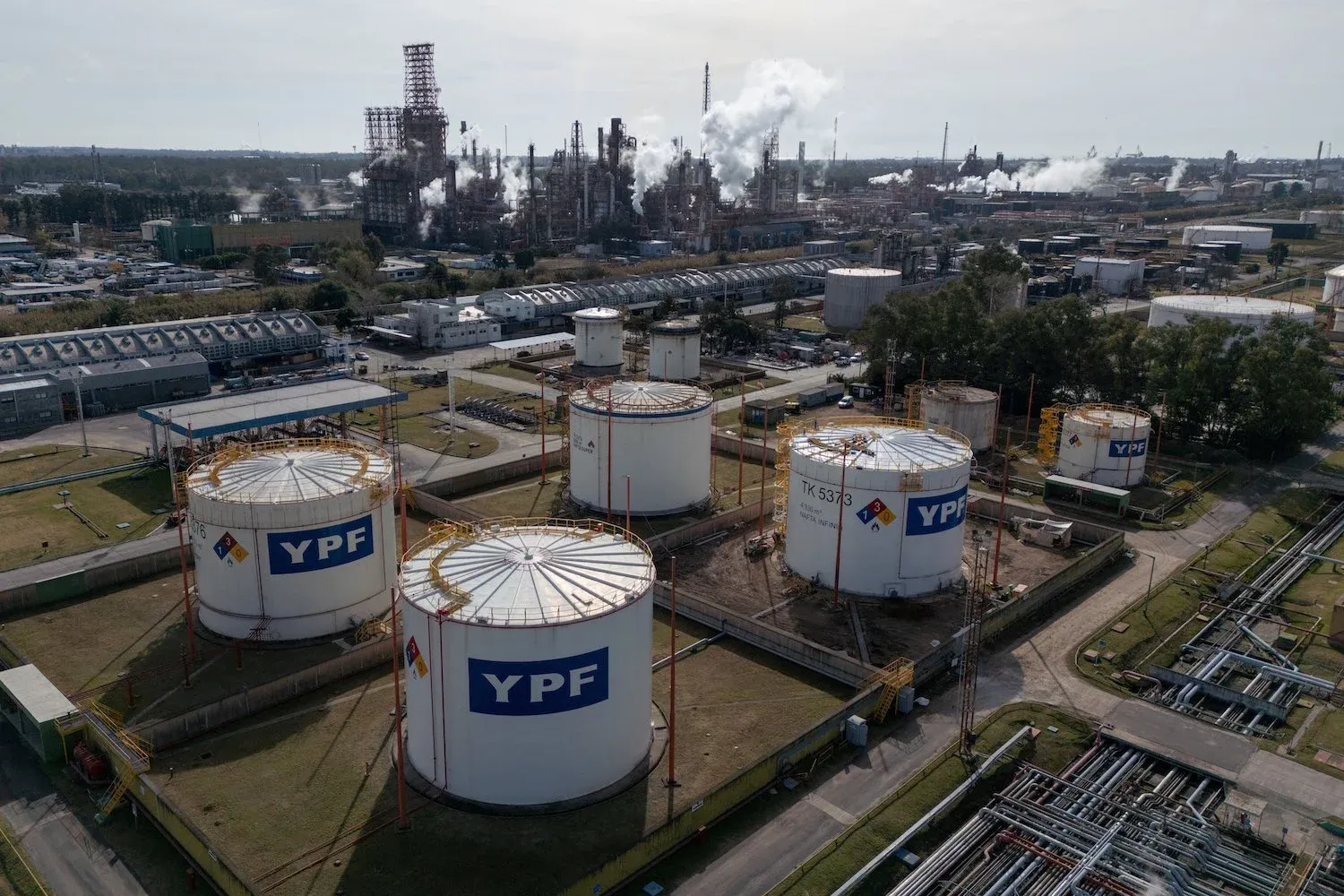
Foreign Policy reports that some Latin American oil exporters are reaping financial benefits amid the Iran war. For decision-makers, the key consequence is that geopolitical disruption can quickly reroute cash flows and bargaining power across energy markets.
A quieter story is playing out alongside the headlines about missiles and sanctions: some Latin American oil exporters are getting financial benefits as the Iran war disrupts global energy markets. The catch is that this money is not a guarantee or a planned windfall. It is the result of shifting supply, expectations, and risk premiums that show up fast in crude pricing and financing conditions.
At the center of this theme is simple but high-stakes: when the Iran war changes the flow of oil and the market’s willingness to price it normally, traders and buyers do not just reshuffle cargoes. They also re-price exposure to the whole region. That is why the Foreign Policy note matters for executives and investors beyond oilfield operators. Even if a company is not directly involved with Iran-related barrels, the market impact can still land in revenue statements, hedging outcomes, and the terms under which lenders and buyers show up.
To understand why “exporters benefit” can be true at the same time that geopolitical risk stays brutal, it helps to remember how oil markets behave. Physical supply and financial supply (the ability and willingness to move barrels through shipping, insurance, and financing) are tightly connected. When a major geopolitical conflict raises friction, the industry typically responds by rerouting supply, widening price spreads, and increasing the cost of doing business in affected corridors. That is when alternative grades and origins can look relatively better to buyers, especially if they are perceived to be easier to source and settle. Latin American exporters, depending on their specific contracts and product mix, may find demand and pricing that looks temporarily better than it did before the Iran shock.
But exporters are not winning in a vacuum. The “benefits” described in the Foreign Policy source should be understood as incentive-driven outcomes that can change quickly. If higher prices are driven by risk and scarcity in certain channels, they can also attract new volumes elsewhere or encourage policy responses to stabilize markets. That means the first-order story, “some exporters reap financial benefits,” can be followed by second-order questions boards should care about: How sustainable are those prices? How much of the gain is locked in by existing contracts or hedges? And what happens when the market starts pricing the next phase of the conflict differently.
Regulatory and geopolitical framing amplify the volatility. In periods like this, sanctions risk and enforcement posture become part of the market math. Even when a company is not trading with a sanctioned entity, the broader environment can affect shipping insurance, compliance costs, and bank willingness to finance trade flows. For Latin American producers and governments, that can create a strange dynamic. A higher price today can coexist with operational friction tomorrow. Executives therefore have to treat “cash coming in” and “cash that can reliably keep coming in” as two different problems.
There is also a corporate governance dimension. Energy cash flows tend to draw attention from multiple stakeholders at once: equity investors looking for returns, bondholders looking for predictable servicing, and governments looking for fiscal relief. In some cases, sudden market upside can trigger spending pressure, dividend expectations, or faster paydowns. In others, it can accelerate restructuring decisions. Boards have to navigate the temptation to assume that current gains will automatically become long-term value. The Foreign Policy framing is a reminder that geopolitical disruption can create winners, but it can also leave companies overexposed if they misread the drivers of the upside.
For peers in similar roles, the strategic stakes are practical. If you are an operator, finance officer, or investor evaluating Latin American exporters during the Iran war period, you need to separate the story the market tells from the story your balance sheet experiences. Watch how quick re-pricing shows up in realized prices, how hedging programs buffer or amplify the move, and how compliance and logistics costs behave. If you are a policy watcher, understand that energy windfalls can reshape political incentives and bargaining dynamics, which can in turn influence future production and investment decisions.
In short, Foreign Policy is highlighting a real pattern: some Latin American oil exporters are monetizing the Iran war environment. The consequence for decision-makers is that this kind of geopolitical shock can create short-term financial benefits for specific players while simultaneously increasing the uncertainty that determines whether those benefits convert into durable corporate strength. The smart move is to treat the upside as a data point, not a new baseline.
This story's Key Insights and Take-aways are locked.
Create a free account to unlock Executive Actions for one credit.
Register to UnlockAlways free for Executives Club members. Join the Club
More in Politics

LA County: DOJ's 20,000 'noncitizen' voter list is 'unreliable,' includes U.S.-born
Preliminary review by Los Angeles County election officials finds errors in the federal list, raising the stakes for voter roll integrity ahead of November.

Trump's $1.5B Pentagon chip investment lands in North Carolina
A $1.5 billion defense infusion for North Carolina chipmaking signals a new era of Pentagon-backed reshoring - here's what it means for the industry.

Nigeria confirms first Ebola case in Abuja, a woman just off a Uganda flight
Health Minister Muhammad Ali Pate says the patient flew in from Uganda, putting Africa's latest outbreak on Nigeria's doorstep.