

Isaac Brock’s mushrooms-and-illness detour, then Modest Mouse ships ‘An Eraser and a Maze’
A new album after 2021’s pop-leaning pivot, shaped by label pushback, drummer loss, and a rotating drum cast.
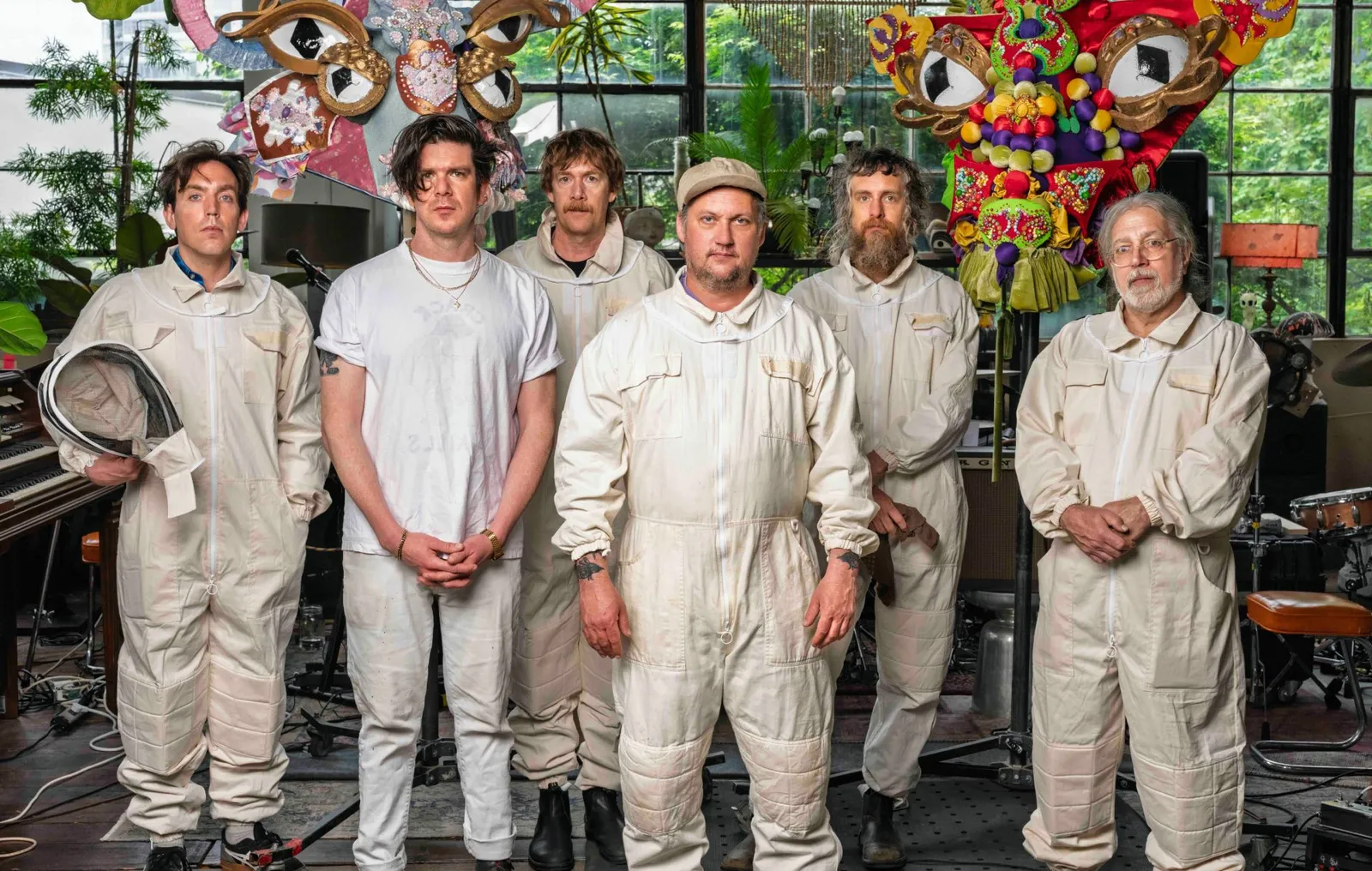
Modest Mouse frontman Isaac Brock talks to NME about ‘An Eraser and a Maze’, the follow-up to 2021’s ‘The Golden Casket’, and the death of founding drummer Jeremiah Green in December 2022. For decision-makers, it is a case study in how creative direction, label incentives, and staffing realities converge into a release timeline.
Isaac Brock told NME he postponed his latest conversation after getting ill, then admitted what sent him spiraling the day before: he went “up working on a video until one,” decided to “take mushrooms,” and the next day was “fucking worthless.” Then he did what artists like Brock often do when the schedule breaks, he kept working and shipped the result: Modest Mouse’s new album ‘An Eraser and a Maze’. The record is the band’s first since 2021’s ‘The Golden Casket’, but it is not a continuation. It is a deliberate stylistic snap back toward abrasive guitar territory, with surprising detours that still carry the band’s melancholic core.
The stakes of that snap are personal, not just sonic. Brock says ‘An Eraser and a Maze’ is also the first Modest Mouse album since founding drummer Jeremiah Green died from cancer in December 2022. Brock calls it “incredibly shocking,” adding that even the doctors treating Green thought he would make it through, and that it was New Year’s Eve when Green’s mom called him. That grief sits inside the songwriting decisions, the performance choices, and even the sequencing logic Brock describes when he discusses specific tracks and who appears on them.
Musically, Brock frames the album as a radical departure from the psychedelic pop sound of ‘The Golden Casket’. On this one, the guitars are front and center, but there are other textures too. He points to ‘Absolutely Necessary Never’ sounding like it could have been on the synth-laden Drive soundtrack. And he explains how he arrives at this kind of divergence without a master plan: “I never walk into a project with a truly clear intention - I kind of let the record shape itself.” Brock says he uses negative signals as guardrails, not a top-down creative brief. If something feels wrong, he knows it, but he is not trying to pre-select the end state like “This is gonna be Modest Mouse’s prog-rock record.”
If you zoom out, this is where label dynamics and incentives start to matter. ‘An Eraser and a Maze’ is the first new Modest Mouse album released via Brock’s own label, Glacial Pace, and Brock gives a blunt explanation: Epic Records had concerns. According to Brock, after he turned in six songs, “I think four of ’em ended up on the record,” but the label told him “We don’t see where you’re going with this.” Brock says they “had never chimed in before,” and that they told him they “weren’t into it” and “didn’t know what to do with it.” His solution was not to conform to what the label could market, but to ask to “weasel out of my contract,” which he describes as being in far too long.
Brock also compares production influence, especially the contrast between ‘The Golden Casket’ and the new record. He says co-producer Dave Sardy, whom he enjoys working with, has “a very pop lean.” Brock describes a push-pull: Brock would bring something heavier, and Sardy would introduce the idea of something more poppy. Brock is careful with the hypothetical, but the implication is clear. This album’s abrasive edge exists not only because Brock wants it, but because the production and label constraints that previously pulled toward pop were reduced or changed.
Then there is the staffing reality, the part of album-making that executives understand even if they never think about it as “headcount planning.” After Green’s death, the line-up becomes an ever-shifting cast anchored by Ben Massarella on percussion, Russell Higbee on bass and guitar, and Simon O’Connor on guitar. Brock also describes a rotating set of drummers on the record, including Janet Weiss (formerly of Sleater-Kinney). His method is pragmatic: he wanted drumming to feel like different people bringing “a different feel,” so on some songs he had three drummers play and picked whichever “felt right.” Brock even downplays his own instrumental authority, telling NME he is “technically maybe the worst drummer you will ever fucking meet,” and jokes that he is not a drummer and does not want to pretend.
Brock’s comments on ‘Rotten Fruit’ add another layer to why this album is interesting beyond the band’s fanbase: he teamed up with pop and rap producer Justin Raisen (Charli XCX, Lil Yachty) and also references earlier aborted experimentation with Big Boi from Outkast around 2011. Brock says there is a version of ‘Lampshades on Fire’ where Big Boi raps, and he regrets not pushing harder to release it, saying he listened to it “sometime last year” and realized, “You’re a fucking idiot. You should definitely have put that out!” For an industry audience, it is a reminder that creative risk often gets delayed, then revalued when circumstances change. In Brock’s telling, time does not just pass, it re-weights what the artist thinks was lost.
Finally, the album is not just “new songs.” Brock connects the music to loss in a way that is structurally explicit. He points to ‘Third Side of the Moon’ as going over loss, stating that “Him and a couple other people got in there.” He also describes a companion batch he tentatively calls ‘Shadows in the Shade’, featuring a cover of ‘Soul’ by Songs: Ohia (Jason Molina) that he started nine years ago. He adds that Jeremiah plays on that cover, and that another friend who passed away from cancer, Rob Laakso (formerly in Kurt Vile And The Violators), also plays on it. Brock calls the track “cursed” but “so beautiful,” and says he decided it was “Too soon” to put it on the record. That sequencing discipline, plus the staffing changes and label shift, is the whole strategic story: ‘An Eraser and a Maze’ becomes the product of grief, creative autonomy, and operational flexibility.
Brock closes by talking about ‘We Were Dead Before the Ship Even Sank’ turning 20 next year and the idea of a landmark tour with Johnny Marr. While he does not frame it as a commitment, he explains he ended up doing other tours anyway and says he now enjoys record tours more than he expected, including the ability to “introduce four new songs in the soundcheck.” For peers managing brands, projects, or creative teams, the second-order lesson is that album outcomes are rarely just “what the artist wanted.” They are the combined result of contract structure, production incentives, who can play when it matters, and how grief changes what you decide is too soon, and what you decide you have to finish.
This story's Key Insights and Take-aways are locked.
Create a free account to unlock Executive Actions for one credit.
Register to UnlockAlways free for Executives Club members. Join the Club
More in Entertainment

Christopher Nolan’s “The Odyssey” posts his biggest Tuesday haul, surpassing “The Dark Knight’s” record
The film’s Tuesday breakout reframes Nolan’s box-office ceiling and forces competitors to rethink timing, budgets, and release strategy.

Kacey Musgraves cancels Aug. 20, 29, Sept. 2 Middle of Nowhere shows
Ticketmaster emails are telling fans refunds are coming, while the tour still starts Aug. 21 in Chicago.

Billie Joe Armstrong launches Epiphone Les Paul Junior and Marshall 1959BJA signature gear
Two limited releases turn decades of Green Day’s tone into branded hardware, including Marshall’s first artist amp in 14 years.