

Israel’s secret Ahmadinejad asset plan collapsed as war began, NYT reports
An alleged yearslong grooming effort reached an attempted transfer to an Israeli safe house, then unraveled early in the war.
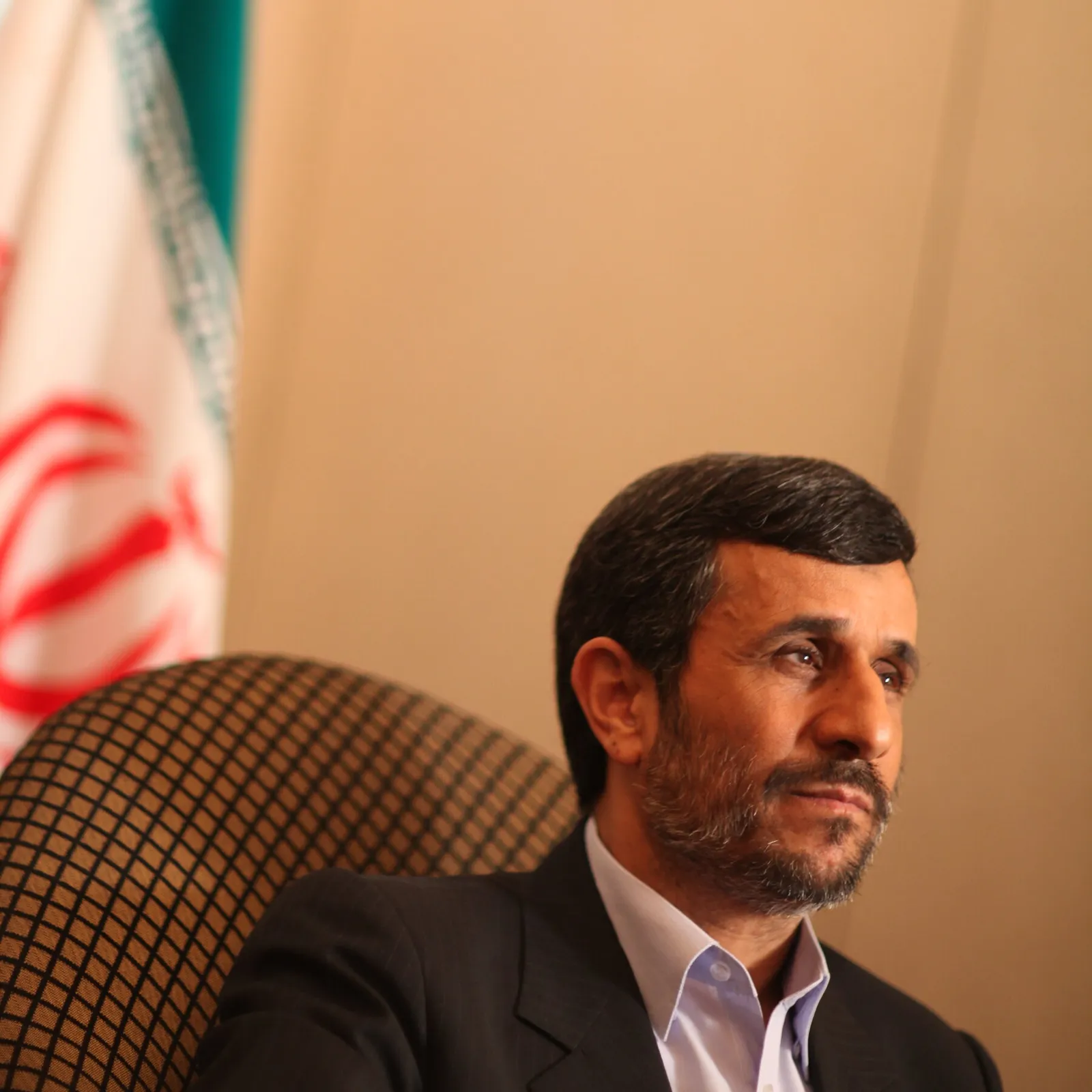
The New York Times reports that Israel carried out a yearslong effort to cultivate former Iranian President Mahmoud Ahmadinejad as an intelligence asset. The effort culminated in an early-war attempt to take him to an Israeli safe house, but the plan fell apart.
Israel’s yearslong effort to groom former Iranian President Mahmoud Ahmadinejad as an intelligence asset culminated in a dramatic early-war attempt to take him to an Israeli safe house, The dramatic part is exactly what matters. In the first days of the war, the program moved from “quiet cultivation” to a high-risk physical operation. And then it failed. The plan fell apart.
For decision-makers, that timing is the whole story. Early in a war, logistics tighten, communications degrade, and every actor on the chessboard recalculates under pressure. A transfer plan that might look plausible in peacetime becomes fragile the moment the environment changes. In other words, the operation did not just face technical hurdles. It faced the one thing intelligence programs rarely control: the speed at which reality interrupts the spreadsheet.
To understand why this episode is so consequential, it helps to translate “cultivate as an intelligence asset” into organizational behavior. Programs like this typically involve long-running relationships, vetting, influence pathways, and contingency plans that aim to reduce uncertainty over time. They also require internal coordination across sensitive functions: who knows what, who authorizes movement, how risk is priced, and what “success” even means. The New York Times framing is that the cultivation effort ran for years, which implies institutional persistence. But persistence is not the same as resilience. When the moment of action arrives, the program’s assumptions get stress-tested instantly.
There is also a governance angle. Intelligence operations, especially those touching foreign political figures, sit in a zone where oversight, secrecy, and legal boundaries can become a moving target. Even if the intent is intelligence gathering or influence, the operational choices can raise legal and diplomatic questions once they involve relocation to another jurisdiction. Executing an operation to bring a foreign leader to an Israeli safe house is not a tweak. It is a step that could collide with international norms and trigger political blowback depending on what is confirmed publicly and when. The New York Times report that the plan collapsed early in the war suggests that, whatever constraints existed before, the conflict environment made them harder to manage.
Zoom out from the immediate failure and you get a set of second-order implications that any serious board or executive team should recognize. In high-stakes operations, the cost of being wrong is rarely limited to the failed mission. Failure tends to ripple into relationships, credibility, and future option sets. If a program that took “years” to build cannot carry out the final move, counterparties learn. Competitors respond. And internal stakeholders start asking whether the original model overfit to prior conditions.
The Ahmadinejad angle also matters because he represents a politically charged figure tied to one of the most consequential regional rivalries. Turning such a figure into an intelligence asset would be strategically valuable for any state trying to anticipate decisions, intentions, or capabilities across time. But that value depends on continuity. Years of cultivation can be undone in days if the final operational window closes, if the security perimeter changes, or if the actor targeted for transfer becomes inaccessible. The New York Times summary is blunt: the grooming effort culminated in a dramatic attempt, and then the plan fell apart.
Why should readers outside the intelligence world care? Because the operational lesson is universal: in real-time crises, execution is a different discipline than planning. The first days of a war are when your operating assumptions are most likely to break. For investors, founders, and corporate leaders running anything from supply chains to crisis response, it is a reminder that “strategy” is not the hard part. The hard part is the last mile, under stress.
For peers in national security roles, diplomats, oversight bodies, and executives supporting government programs, the stakes are also immediate. A failed transfer effort can shift priorities, strain internal resources, and force leadership to revisit risk thresholds for similar operations. It can also reshape how future asset cultivation programs are designed, especially around contingency planning for sudden environmental change. The New York Times report does not add extra details beyond the arc itself, but the arc is already enough to understand the magnitude: years of effort, an early-war push, and a collapse at the moment it mattered most.
This story's Key Insights and Take-aways are locked.
Create a free account to unlock Executive Actions for one credit.
Register to UnlockAlways free for Executives Club members. Join the Club
More in Politics

Glacial collapse, not rain, killed 180 in Nepal's Himalayan flood
The Himalaya's extreme geography hid the true cause of Nepal's catastrophic flood, a glacial collapse that turned a geological battleground into a mass-casualty zone.

Iran’s Esmail Baghaei says Oman talks start shipping via Hormuz, not US talks yet
Temporary route plans with Oman aim to restart commerce while Tehran says Washington dialogue is not on the table.

Standards watchdog opens probe into Reform UK deputy leader Richard Tice over interests
The parliamentary standards commissioner says it began an investigation on 28 July into a possible undeclared interest.