
'It's a Magic Trick': Ballet Experts Say Rosalía's SNL Pose Is Impossible
Three ballet experts tell Rolling Stone Rosalía's gravity-defying SNL stillness shouldn't be possible - and why the debate is now part of the show.
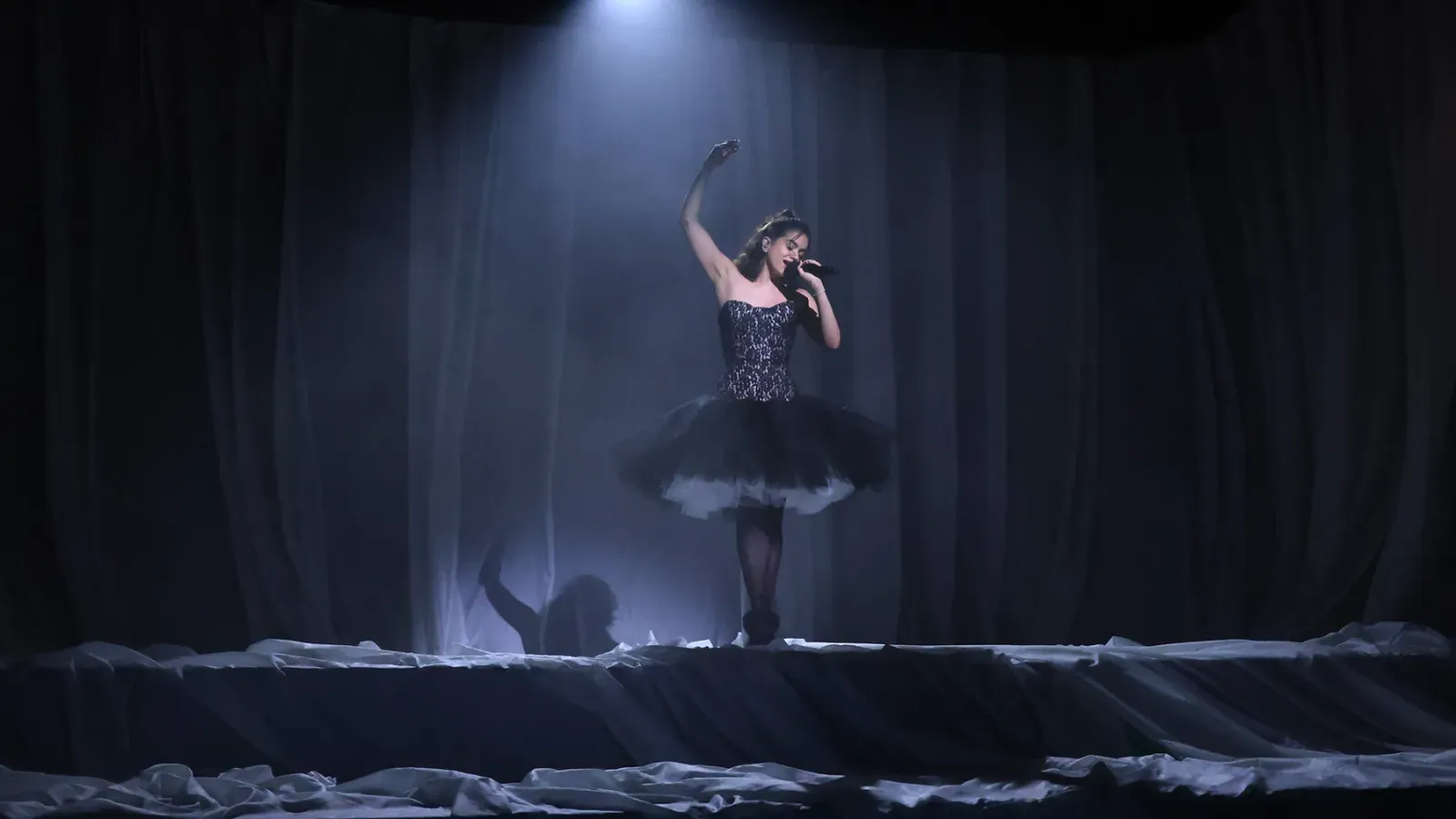
Rosalía's Saturday Night Live performance was spellbinding, but three ballet experts told Rolling Stone her impossibly still en pointe stance is a 'magic trick' that defies classical technique. For entertainment and brand executives, the episode shows how quickly expert analysis can reframe a viral cultural moment and extend its commercial life.
The quote lands like a dare: "It's a magic trick." That is how one of three ballet experts described Rosalía's Saturday Night Live performance to Rolling Stone, and the rest of the assessment is just as blunt. The Spanish superstar's set was spellbinding, they concede, but the gravity-defying stillness she held en pointe, balanced on the very tips of her toes in reinforced ballet shoes, is, in their professional judgment, impossible to execute with that level of control. The performance captivated viewers; the technique, they argue, should not be physically possible.
Here is why that claim matters beyond the clip. En pointe work is among the most demanding disciplines in dance. A ballerina supports her entire body weight on the tips of her toes, relying on years of strength training, precisely fitted shoes, and constant micro-adjustments from the ankles, calves, and core. Holding a pose is hard. Holding a pose with absolute stillness is harder still, because the human body naturally sways, however slightly, to maintain balance. The experts' point is not that audiences were deceived, but that what they saw sits outside the normal envelope of ballet technique. That gap between spectacle and possibility is exactly what makes the moment fascinating.
For context, Rosalía is not a ballet dancer by trade. The Catalan-born artist built her name fusing flamenco tradition with reggaeton, pop, and experimental production, and her live shows are known for blurring the line between concert, theater, and choreographed spectacle. Her SNL appearance was part of a promotional cycle that has made her one of the most closely watched performers in pop. That is precisely why the ballet world's reaction carries weight: when specialists in physical performance scrutinize a pop moment, the conversation stops being about taste and becomes about technique.
The experts' reaction also highlights a recurring tension in the age of viral performance. Audiences experience a clip as pure spectacle: the gasp, the share, the comment thread. Specialists experience the same clip as a technical document, reading every angle of the foot, every millimeter of sway, every tell that reveals how the trick was built. When those two readings collide, the conversation shifts from "how amazing" to "how is that possible," and the artist suddenly has to answer for the mechanics behind the magic. In Rosalía's case, the experts' verdict does not explain how the moment was achieved; it simply states that the stillness should not be possible. Whether it was an illusion or an unprecedented feat, the debate is now part of the performance.
That dynamic has real stakes for anyone who builds brands, campaigns, or careers on live spectacle. A viral moment is an asset, but it is also an invitation to scrutiny. The same experts who marvel at a feat can also dismantle it, and their credibility travels further than a comment section. For executives in entertainment, sports, and marketing, the lesson is structural: the more impressive the illusion, the more important it is to understand how it works before the audience starts asking. The ballet world's verdict does not diminish what audiences saw; it reframes it.
There is also a commercial angle worth noting. Rosalía's SNL slot is part of a broader pattern in which streaming-era artists use live television as a launchpad for tour announcements, album drops, and merchandise spikes. A performance that generates this kind of expert debate extends the news cycle well beyond the broadcast, giving the moment a second life in explainers, reaction videos, and think pieces. Whether the debate is flattering or skeptical, it keeps the artist in the conversation, and in the algorithm, for days after the credits roll. For a performer whose brand is built on pushing the boundaries of what a live show can be, that extended attention is arguably as valuable as the performance itself.
For decision-makers, the episode is a reminder that expertise still shapes perception in a world of mass virality. The ballet professionals who weighed in did not need to be famous to move the story; their technical authority was enough. That is a lesson for any executive launching a product, campaign, or creative work that depends on spectacle: the specialists in your field are already watching, and their verdict will shape how the broader audience understands what you built. The brands that anticipate that scrutiny, and answer it with transparency or a compelling story about craft, turn potential skepticism into a second act.
The takeaway is simple. When your product or campaign generates a "how did they do that" reaction, lean into the question rather than deflecting it. The experts are already watching, and the audience is already asking. The organizations that respond with a story about the craft behind the feat, rather than a defensive silence, are the ones that turn a moment of doubt into a moment of deeper engagement. Rosalía's SNL performance may or may not be a magic trick, but the conversation it sparked is a masterclass in how scrutiny becomes attention.
This story's Key Insights and Take-aways are locked.
Create a free account to unlock Executive Actions for one credit.
Register to UnlockAlways free for Executives Club members. Join the Club
More in Entertainment
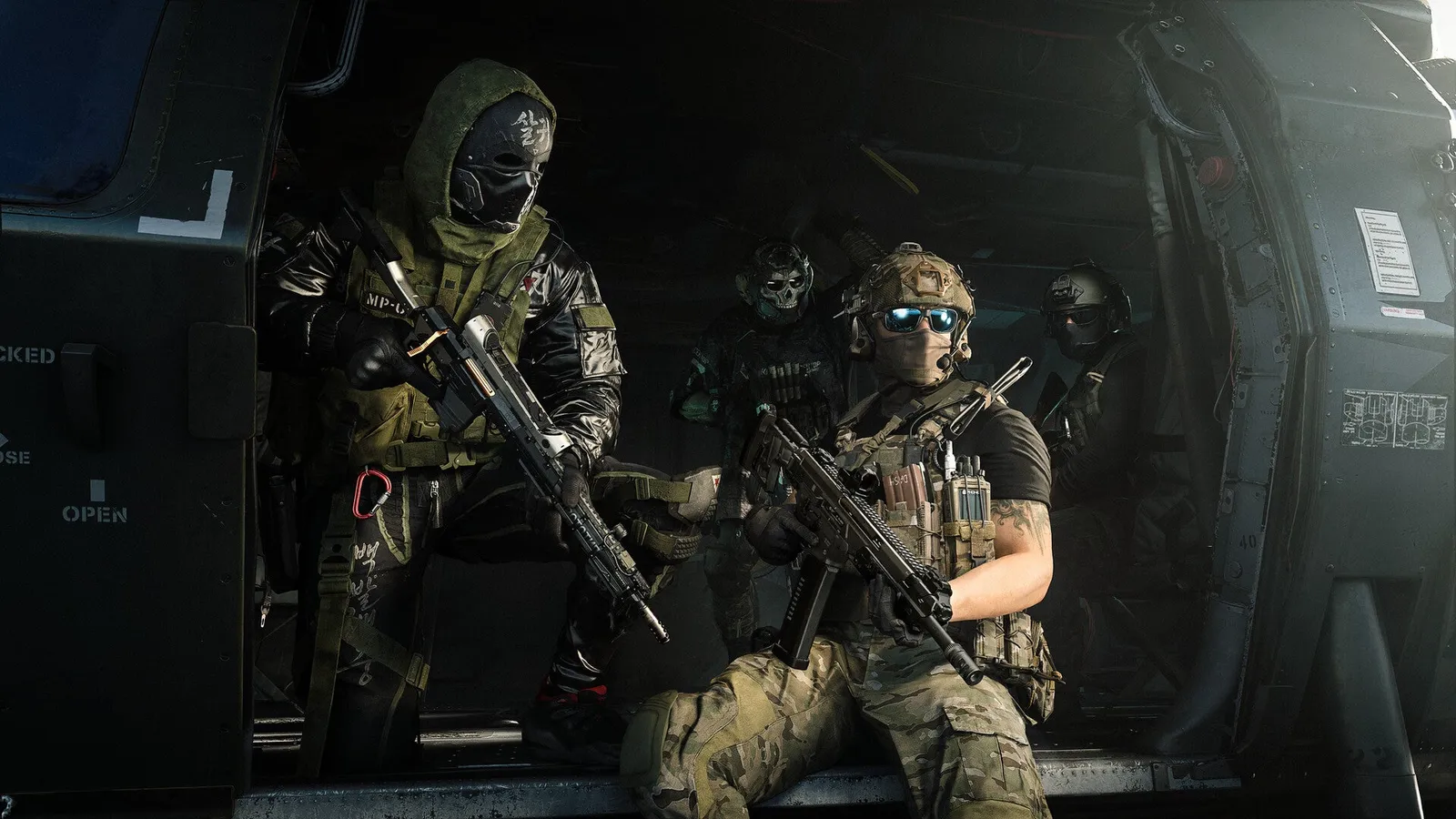
Activision CMO: GTA 6 Will Boost Call of Duty, Not Bury It
Activision's top marketer says Rockstar's blockbuster will drive players back to consoles and into Modern Warfare 4, even as the company admits its recent strategy failed.

Justice to Score GTA 6, Share New Song with Tame Impala, SZA, King Gizzard
Rockstar taps the French duo for the GTA VI score, and the first taste is a genre-melting collab with Tame Impala, SZA, and King Gizzard & The Lizard Wizard.

Justice Scores GTA VI, Drops Tame Impala-SZA-King Gizzard Collab
The French duo's soundtrack deal for Rockstar's next blockbuster comes with a star-studded single that signals gaming's pull on music's A-list.