

Jacob Elordi says ‘Euphoria’ rattlesnake death meant 2 days ‘locked in a coffin’
Behind Nate’s buried-alive scene, Elordi details the real physical torture that producers asked him to endure.
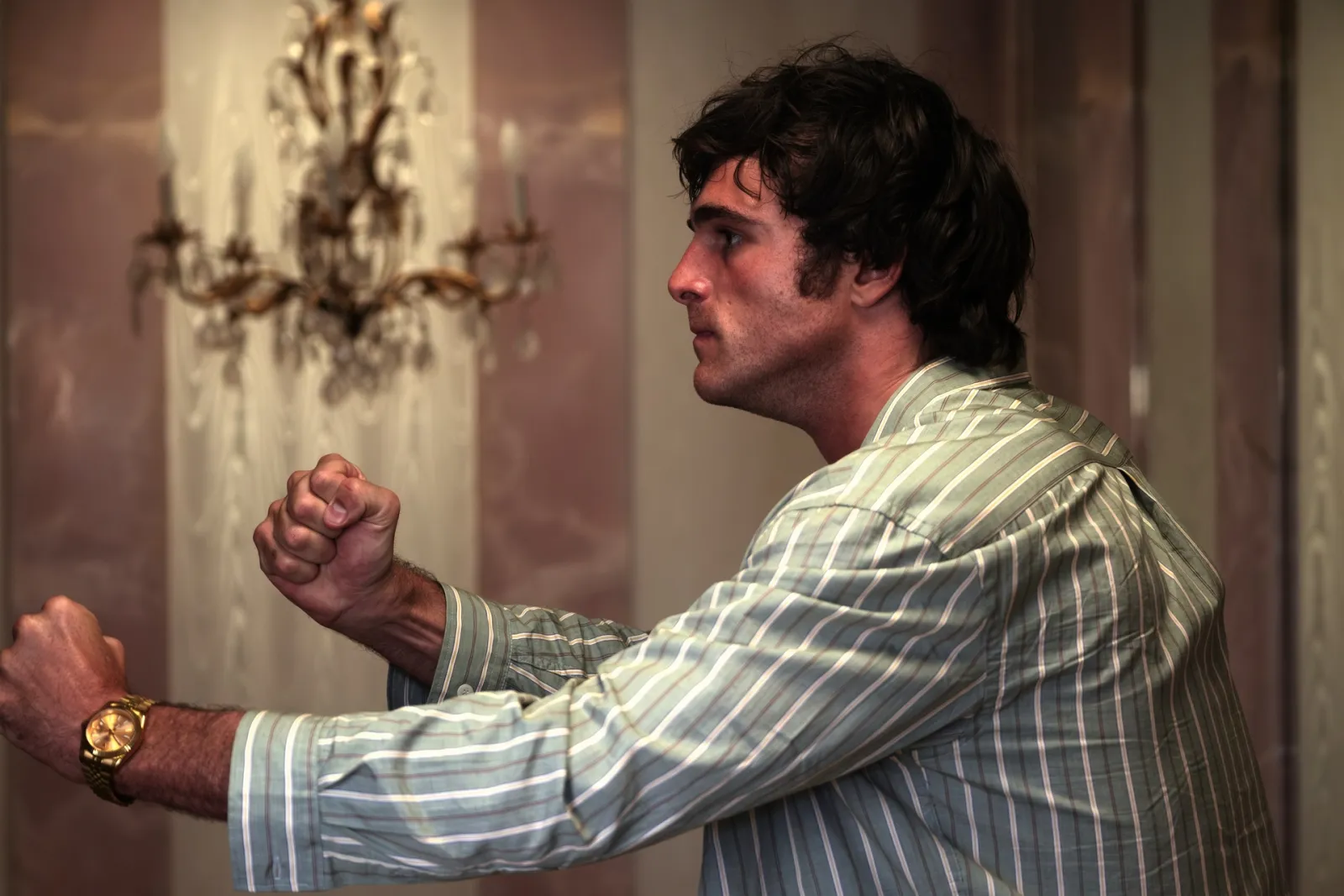
Jacob Elordi, speaking on Jimmy Kimmel Live! with fellow Euphoria star Colman Domingo, described filming Nate’s final-season death scene. He said he spent two days ‘locked in a coffin’ with a real snake, and Sam Levinson ‘brought me back to torture me.’
Jacob Elordi’s final-season Euphoria death scene did not just look brutal. He says he spent two days “locked in a coffin” with a real snake, a description tied directly to the moment his character Nate ultimately dies, buried alive and then bitten by a rattlesnake.
Elordi discussed the gruesome setup on Jimmy Kimmel Live!, appearing with guest host and fellow Euphoria star Colman Domingo. The exchange centered on how the production pulled off the sequence, and Elordi’s blunt framing made the point: this was not a quick stunt. It was endurance. Two days in a coffin, plus the presence of a real snake, is the kind of filming detail that changes how you understand “safety” in Hollywood. Not because the article offers new regulatory specifics, but because it spotlights the intensity of the physical demands placed on actors, and the creative decision to make it feel real.
To understand why this matters beyond one actor’s trauma, you have to zoom out to how modern prestige TV is sold and produced. Euphoria is the blueprint many executives chase: high-intensity scenes, visceral effects, and a willingness to turn discomfort into audience draw. When a show leans into “authenticity” at the level Elordi described, it often means pushing the boundary of what audiences think is possible to depict on screen. The trade-off is that the work shifts from performance craft toward real physical risk management.
In that sense, the story is also about incentives. Actors want the role and the career signaling of landing something iconic. Producers want the payoff: scenes that land like reality and generate cultural noise. For directors and showrunners, the goal is a certain level of commitment. Elordi’s quote, as reported, signals that the creative process felt like an intentional loop back to suffering. He also said Sam Levinson “brought me back to torture me,” which is a striking way to describe collaboration. Whether you read that as hyperbole or literal, it communicates the emotional cost to the person doing the work.
There is a second-order question boards and studio leadership should care about: how do you translate “we made it real” into operational guardrails? The entertainment industry is full of risk controls in theory, but the public conversation often centers on results. Elordi’s account pulls the reader toward process: What happened during those two days? How was the snake handled? What did “locked in a coffin” actually look like? Variety did not provide those operational details in the excerpt provided, so you cannot conclude anything more than what Elordi stated. But you can conclude that the story itself is a reminder that physical production choices come with measurable human consequences, not just cinematic ones.
Executives also should note the reputational risk embedded in this kind of storytelling. When audiences react to a scene because it feels real, that reaction can become a spotlight on labor conditions. Even if a production has professional animal handling and stunt protocols, a public description like “two days” in a coffin with a “real snake” can raise uncomfortable scrutiny. That scrutiny can impact stakeholders across the chain: insurers, unions, legal teams, and leadership at studios that must defend their safety culture in the court of public opinion.
Finally, there is the creative stake for anyone building shows that want to go harder than the last season. Nate’s death, as described in the report, is not just plot. It is craft, atmosphere, and a willingness to turn a character’s end into a full-body spectacle. Elordi’s testimony makes the audience feel the cost of that spectacle. For peers, the strategic lesson is straightforward: when you bet on intensity, you also inherit responsibility. The audience gets the bite of a rattlesnake on screen; the production team absorbs the burden of ensuring the people behind the camera can survive the process.
This story's Key Insights and Take-aways are locked.
Create a free account to unlock Executive Actions for one credit.
Register to UnlockAlways free for Executives Club members. Join the Club
More in Entertainment

12TB Steam 'teraleak' goes beyond Valve: GTA 3, Mafia 2 prototypes exposed
A 12-terabyte dump of Steam data reveals prototypes and builds of third-party classics like GTA 3 and Mafia 2, plus unreleased Valve content, rewriting game history.

LinkedIn's romance problem: 1 in 4 workers say dating on it is fair game
A new survey shows a quarter of U.S. employees treat the professional network as fair game for romance, even as LinkedIn bans it and removes hundreds of thousands of offending posts.

Enhypen's first No. 1 album breaks K-pop's Billboard 200 streak
The K-pop group's 98,000-unit debut tops the chart while Dolly Parton's catalog reentry shows how death reshapes streaming.