
Jagex CEO Jon Bellamy targets RuneScape as the biggest MMO by toppling World of Warcraft
Bellamy says RuneScape can reach MMO dominance in five years. Here is what that means for strategy, budgets, and risk.

Jagex CEO Jon Bellamy has shared an ambition to make RuneScape the biggest MMO in the world within the next five years. The goal is explicit: toppling World of Warcraft from the top spot.
Jagex CEO Jon Bellamy wants RuneScape to be the biggest MMO in the world within the next five years, and the comparison is not subtle. In his framing, that means beating World of Warcraft for the top position. For anyone who has watched the MMO market for a while, that is not a “nice to have” ambition. That is a declaration that Jagex believes a legacy, classic British point-and-click fantasy can still win the modern audience battle, at global scale.
Why does it matter right now? Because MMO leadership is not just about releasing updates, it is about sustaining engagement loops, managing long-term live operations, and convincing players that the game is worth coming back to. Bellamy’s bet, if it becomes real strategy, forces Jagex leadership and its board to align on what “biggest” means operationally, how fast it can move, and what it is willing to risk to get there. It also forces competitors to treat RuneScape as a credible strategic threat rather than a nostalgia brand.
The MMO market historically rewards companies that can run live games like businesses, not projects. World of Warcraft has had a long runway of player engagement, content cadence, and brand gravity. If Jagex wants to dethrone it, the path is rarely a single feature or a one-time relaunch. It usually involves systemic work: scaling onboarding so new players stick, keeping existing players interested with consistent content, and reducing friction for returning players who have bounced between years of updates. That is the unglamorous part of MMO dominance. It is also the part that typically shows up in budgets, headcount decisions, and internal priority fights.
There is also a “classic” problem and a “modern” opportunity wrapped together. RuneScape is known for a classic point-and-click feel, the kind of interface and gameplay rhythm that can attract a specific audience that likes clarity and familiarity. But the biggest MMOs are often masters of expanding their funnel, not just serving their core. If Jagex is aiming for the top spot, it likely has to preserve what makes RuneScape distinct while meeting modern expectations around quality of life, progression clarity, and social features that help players organize and stay. That balancing act is hard, and it is where boards typically press management: what will you change, what will you protect, and what will you measure?
From a corporate governance perspective, Bellamy’s ambition also functions like a commitment device. Ambitious public targets can raise internal stakes. They can also affect how investors and partners interpret the company’s risk appetite. In live-service sectors, management teams that overpromise can get squeezed by reality later. Conversely, teams that under-commit can starve themselves of the resources needed to compete. By saying the next five years is the window to be “the biggest,” Jagex is essentially telling stakeholders that it wants to win on a defined horizon, not drift for a decade.
Regulation usually does not show up in MMO headlines the way it does in finance or healthcare, but it still matters in adjacent areas like online conduct, data handling, and consumer protections for digital goods. When a game gets bigger, its operational exposure often grows with it: more players, more transactions, more moderation load, and more attention from regulators and platform policies. That means the “bigger than World of Warcraft” vision is also a governance test. It pressures the organization to scale safety and compliance processes while scaling the game.
Second-order implications for the broader industry are straightforward. If Jagex genuinely believes it can chase MMO leadership in five years, other studios may need to rethink their threat models. Market share in MMOs can be sticky, but it can also shift when players decide a new studio is delivering better experiences, better communities, or better reasons to stay. The incumbents will likely respond defensively with content cadence, social features, and retention mechanics. The challengers will respond with more aggressive investment and faster iteration cycles. In other words, a credible pursuit can redraw the investment landscape, not just the player landscape.
For decision-makers in similar roles, the real takeaway is that leadership ambitions are not just PR. Bellamy’s statement frames RuneScape as a strategic engine, and it gives the company a time-bound mandate. If Jagex matches the ambition with disciplined execution, it could reshape what “classic” is allowed to be in a market dominated by giants. If it falls short, the board will have to ask the uncomfortable questions: did the company invest enough, invest in the right places, and move fast enough without breaking the player trust that keeps MMOs alive?
This story's Key Insights and Take-aways are locked.
Create a free account to unlock Executive Actions for one credit.
Register to UnlockAlways free for Executives Club members. Join the Club
More in Entertainment
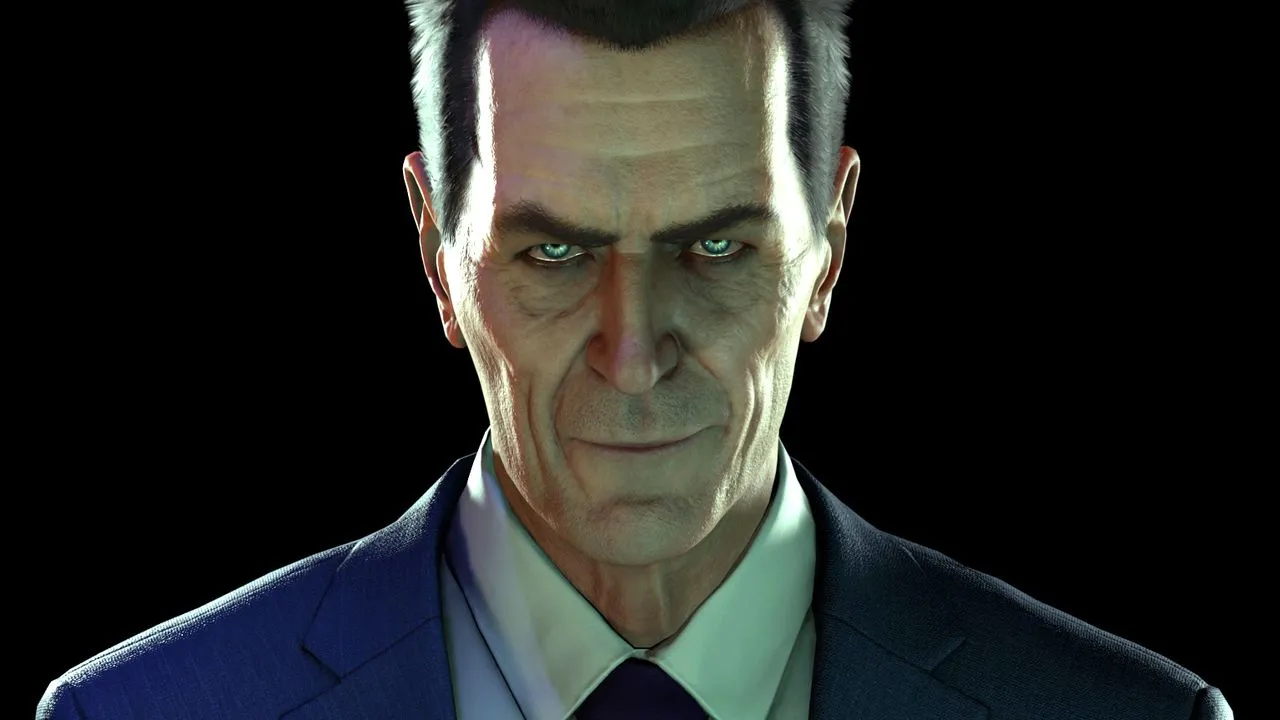
12TB Steam 'teraleak' goes beyond Valve: GTA 3, Mafia 2 prototypes exposed
A 12-terabyte dump of Steam data reveals prototypes and builds of third-party classics like GTA 3 and Mafia 2, plus unreleased Valve content, rewriting game history.

LinkedIn's romance problem: 1 in 4 workers say dating on it is fair game
A new survey shows a quarter of U.S. employees treat the professional network as fair game for romance, even as LinkedIn bans it and removes hundreds of thousands of offending posts.

Enhypen's first No. 1 album breaks K-pop's Billboard 200 streak
The K-pop group's 98,000-unit debut tops the chart while Dolly Parton's catalog reentry shows how death reshapes streaming.