
James Burrows died at 85, directing every Will & Grace episode across both runs
The sitcom director behind Cheers and Frasier leaves a blueprint for how comedy gets made, cast and shipped.
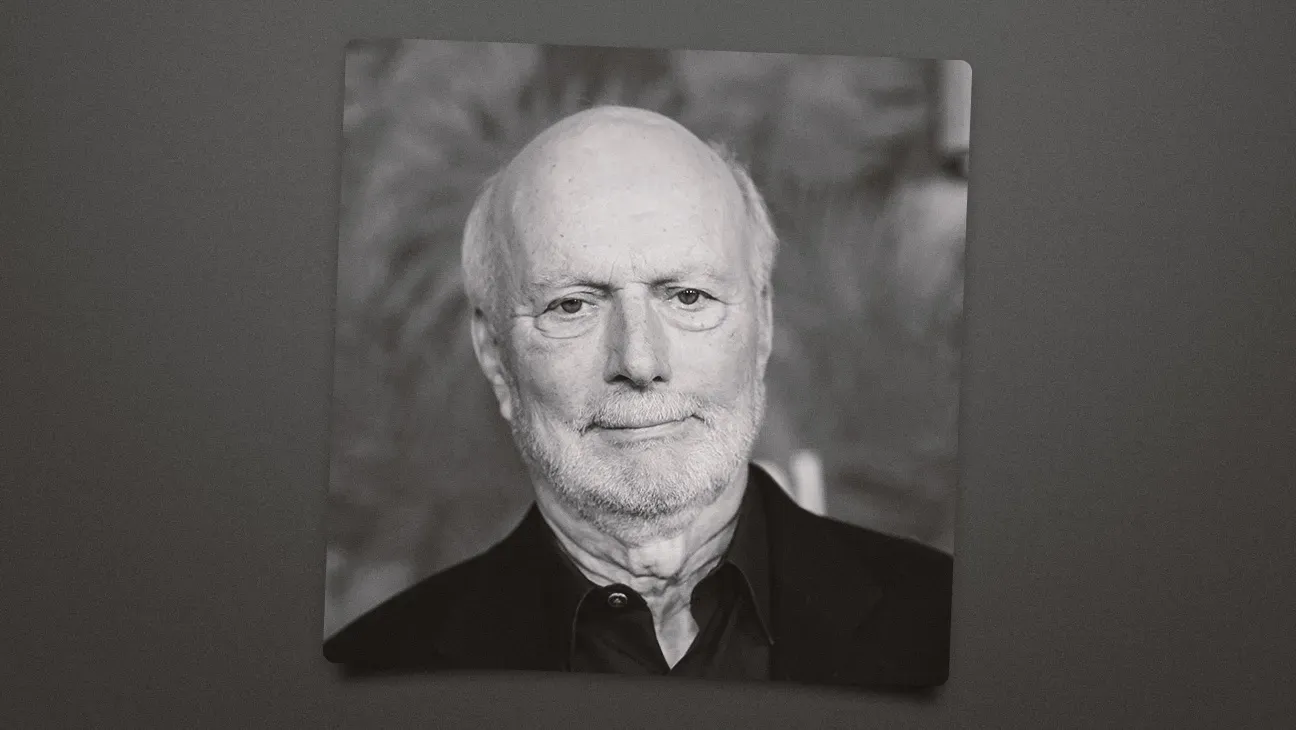
James Burrows, the 85-year-old director and co-creator associated with Cheers, helmed all 246 episodes of Will & Grace across its two runs and was credited with directing more than 50 sitcom pilots. His death matters to anyone building TV franchises, because his process turned early development bets into decades-long audience retention.
James Burrows, the prolific TV director and Cheers co-creator, has died at 85. His family confirmed in a statement to People that he passed away peacefully on Friday, surrounded by his loving family, celebrating “the extraordinary life and enduring legacy” of “James ‘Jimmy’ Burrows.”
Burrows did not just direct the era-defining sitcoms that built modern prime-time comedy. He helmed every one of Will & Grace’s 246 episodes during its two runs, and he also co-created Cheers, directing the lion’s share of its 278 episodes. That combination is the kind of career stack executives dream about: fewer than 10 people in entertainment can credibly claim they shaped multiple generations of scripted comedy and did it at scale.
The business lesson hidden inside the trivia is that Burrows’ influence was not limited to “taste.” It was operational. THR describes him as a master of comic timing, skilled at pulling big laughs out of performers and the material on the page, and notes that for more than 40 years he was one of the most in-demand directors in Hollywood. If you were making a half-hour comedy for television, the implication is simple: you wanted Jim Burrows calling the shots because his track record reduced the risk that a premise would fail to land.
That risk reduction shows up in the numbers buried in his credits. Burrows is credited with directing more than 50 sitcom pilots, including eventual hits such as Friends, The Big Bang Theory, Frasier, Taxi, Night Court, Wings, Two and a Half Men, Caroline in the City, Third Rock From the Sun, Mike & Molly and Two Broke Girls. Pilots are where distribution strategy, advertiser confidence, and franchise economics get decided. A strong pilot director does not just make an episode; they often set the template for tone, pacing, and performance rhythms that sustain years of renewal conversations.
In a 1995 New York Times interview, Burrows described a mindset for debugging comedy: “My mind is never a blank.” If something was not funny, he said he would try nine ways to make it funny, and instead of quitting he would “change the straight line to get more ideas or find a funny position for the actors.” That is a director talking like a product team. The goal is iteration, not inspiration. The output is repeatable because it respects the mechanics of timing, staging, and actor chemistry.
Those mechanics also show up in how he worked with casts, not just scripts. In a 2016 Hollywood Reporter interview, Burrows said he was not “a martinet or a dictator,” and that he did not come into rehearsal knowing where actors would be on stage. He described sitting with cast, talking to them about their characters, trying to get them to like one another, and even arranging lunch and parties so that connection could show on screen. It is an approach that executives should recognize immediately: chemistry is leverage. If it is real, it reduces the variance that can derail sitcom performance. If it is forced, you pay for it later with re-writes, recasts, or lower audience retention.
Burrows’ résumé also maps onto how television ecosystems work over time. He got his start on The Mary Tyler Moore Show, including a 1974 installment titled “Neighbors” where Lou moves into Rhoda’s old apartment in Mary’s building, and went on to helm more than a thousand episodes of shows. In the 1970s he worked continuously for MTM Enterprises while directing for Laverne & Shirley, The Tony Randall Show, Fay and Busting Loose. The 1980s and beyond broadened the footprint: The Associates, Taxi, Dear John, NewsRadio, Partners, Men Behaving Badly, Fired Up, Teachers, The Class, Back to You, and later Romantically Challenged, Man With a Plan and The Millers. Even when a show did not stick, his involvement highlights the pilot-heavy nature of TV development, where many attempts exist before the few that become durable franchises.
For context, it is also notable that Burrows’ recognition was both frequent and formal. THR notes he amassed more than 40 Emmy nominations, received four DGA Awards, and was honored with the guild’s Lifetime Achievement Award in 2015. The industry’s formal awards are not regulation, but they function like a credibility signal for boards, networks, and studios making multi-season bets. When a creator has a proven ability to deliver comedy at scale, the “option value” of hiring them early rises. You pay for quality in advance to avoid costlier failure later.
Second-order implications? Burrows’ career suggests that directing is not only artistic. It is also risk management for scripted entertainment, where audience habits, advertiser cycles, and franchise runway all demand consistency. He returned to Frasier in 2023 to direct the first episode of the Paramount+ reboot and handled other installments. He was married to Linda Solomon, an associate producer on The Associates, from 1981 to 1993, and they had three daughters. In 1997 he wed Debbie Easton, a hairstylist who worked on Roseanne, Caroline in the City and Friends.
If you are an executive, producer, or investor watching scripted content in a world of higher production costs and tighter attention, Burrows’ legacy is the reminder that franchises are built at the intersection of development discipline and on-set human factors. His career did not just produce iconic shows. It produced a method for turning a 22-minute premise into a repeatable audience habit, episode after episode, for decades.
This story's Key Insights and Take-aways are locked.
Create a free account to unlock Executive Actions for one credit.
Register to UnlockAlways free for Executives Club members. Join the Club
More in Entertainment
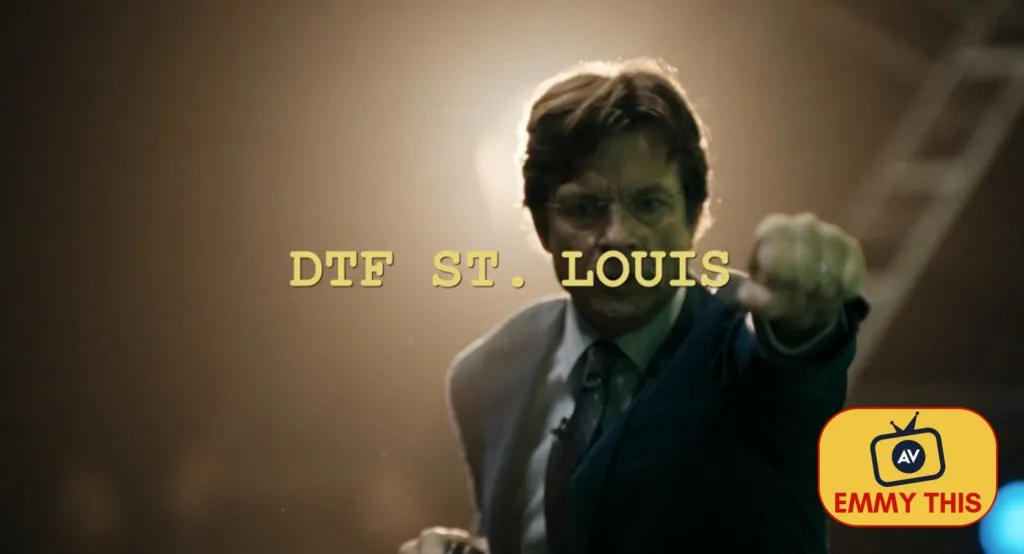
DTF St. Louis sneaks “Aquarius/Let The Sunshine In” into Emmy Title Design politics
The opening credits go grounded, malleable, and non-flashy. That’s exactly why awards season should pay attention.

“Last Night” (1998) is a top apocalypse pick on Amazon Prime Video
The 1998 cult favorite delivers real stakes, even if you missed it the first time around.

George Lucas lands a role in Minions 3, Illumination confirms.
The Star Wars creator will voice a character in “Minions & Monsters,” and hints at what could come next.