

Joel Courtney will star in Zac Stracener's “Echo,” TikTok’s feature-directing debut
The “Super 8” actor is set to lead and produce “Echo,” an independent psychological thriller from a 1.3M-follower TikTok creator.
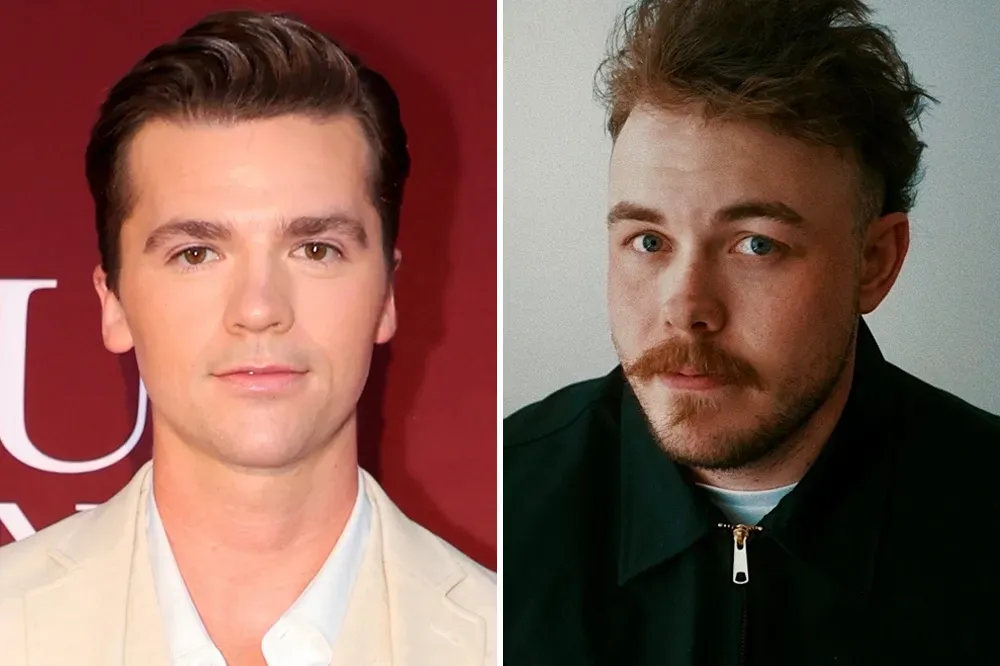
Joel Courtney, known for “Super 8” and “The Kissing Booth” franchise, will star in and produce “Echo,” a psychological thriller. The project marks TikTok creator Zac Stracener’s feature directorial debut, after he also wrote the independent film.
Joel Courtney is stepping into a new lane: he will star in and produce “Echo,” a psychological thriller that also marks Zac Stracener’s feature directorial debut. The hook here is simple and consequential, especially for media executives: a TikTok creator with 1.3 million followers is not just participating, he is directing and writing an independent thriller that Variety describes as “a character-driven thriller that dives […]” In other words, this is not a cameo-to-movie deal. It is a creator-to-screen conversion, with a mainstream genre lead.
Courtney’s involvement matters for two reasons. First, he brings recognizable film credibility from “Super 8” and the “The Kissing Booth” franchise, which are already anchored in audience familiarity. Second, pairing that with Stracener’s short-form reach is a bet on a modern pipeline: discover on TikTok, scale into a feature by attaching a screen-tested actor who can carry tone, suspense, and audience trust. For decision-makers watching talent flows, the question is no longer whether TikTok can drive attention. The question is whether it can drive production power.
Zac Stracener is described as “popular” on TikTok and credited as both the writer of the independent film and the director making his feature debut with “Echo.” That dual role signals a larger trend in entertainment, where creators increasingly want ownership of the narrative, not just distribution. In practical terms, writing plus directing increases creative control and can also reduce the friction that often comes when a new voice is translated by layers of development. If the story truly is built around character, the creator is likely trying to ensure that the psychological beats stay aligned with the original intent, not diluted for safest-versus-stylish compromises.
For boards, producers, and development execs, this is also a risk management question. Independent thrillers are frequently where budgets are leaner, timelines can move faster, and the margin for error is thin. Stracener’s background is short-form video, a format that can excel at hooks and pacing, but the feature length demands sustained character tension and narrative escalation. Attaching Courtney can be read as a stabilizer. An actor with established genre performance can help anchor performances and keep the story legible, even when the director is coming from a different craft muscle.
The market context is the real accelerant. TikTok is not just an ad channel anymore. It has become a talent scouting and brand-building engine, and the industry has been scrambling to translate viral momentum into film and television outcomes. That translation is notoriously uneven. Some deals turn into marketing placements rather than creative leadership. This one points harder toward leadership by crediting Stracener as both writer and director, while Courtney is positioned as star and producer. That combination is the kind of structure that can reduce downstream disputes, because the creative and the lead are aligned earlier in the process.
Regulatory and platform considerations also hover in the background, even when a specific approval is not mentioned in the source. When a project leans on a platform creator audience, the platform relationship can become part of the business logic. Executives typically think about content policies, monetization stability, and how algorithm changes affect visibility. Even if “Echo” is not directly subject to new regulatory requirements in the source, the governance reality remains: platform ecosystems can shift quickly, while film and production schedules do not. The more a studio and producer rely on creator-driven discovery, the more they need contingency plans if reach fluctuates.
Second-order implications for peers are sharp. If “Echo” lands as intended, it becomes a proof point that TikTok creators can graduate into feature filmmaking with mainstream talent attached. That could pressure other studios to deepen their creator-director pipelines, potentially increasing competition for experienced actors who will produce or star in newer creator-led projects. It may also influence how boards evaluate creator deals, pushing them to demand more than follower counts, such as writing credits, directorial control, and a clear plan for translating short-form strengths into long-form character arcs.
Strategic stakes are therefore not just about one thriller. They are about whether the industry can create a repeatable system where creator identity maps to audience interest, and genre filmmaking maps to creator craft. With Courtney starring and producing “Echo” and Stracener driving the project as both writer and feature-directing debut, the bet is that character-driven psychological tension can be built from TikTok-native instincts, then delivered with established acting credibility. If it works, executives will copy the template. If it misses, they will tighten it. Either way, “Echo” signals that the next wave of talent development might be less about traditional discovery and more about who can own a story across platforms.
This story's Key Insights and Take-aways are locked.
Create a free account to unlock Executive Actions for one credit.
Register to UnlockAlways free for Executives Club members. Join the Club
More in Entertainment

12TB Steam 'teraleak' goes beyond Valve: GTA 3, Mafia 2 prototypes exposed
A 12-terabyte dump of Steam data reveals prototypes and builds of third-party classics like GTA 3 and Mafia 2, plus unreleased Valve content, rewriting game history.

LinkedIn's romance problem: 1 in 4 workers say dating on it is fair game
A new survey shows a quarter of U.S. employees treat the professional network as fair game for romance, even as LinkedIn bans it and removes hundreds of thousands of offending posts.

Enhypen's first No. 1 album breaks K-pop's Billboard 200 streak
The K-pop group's 98,000-unit debut tops the chart while Dolly Parton's catalog reentry shows how death reshapes streaming.