
John Early’s Maddie’s Secret turns influencer satire into a bulimia melodrama you feel
The directorial debut uses a dishwasher food influencer to make audiences laugh and cry, and to rethink what “relatable” costs.
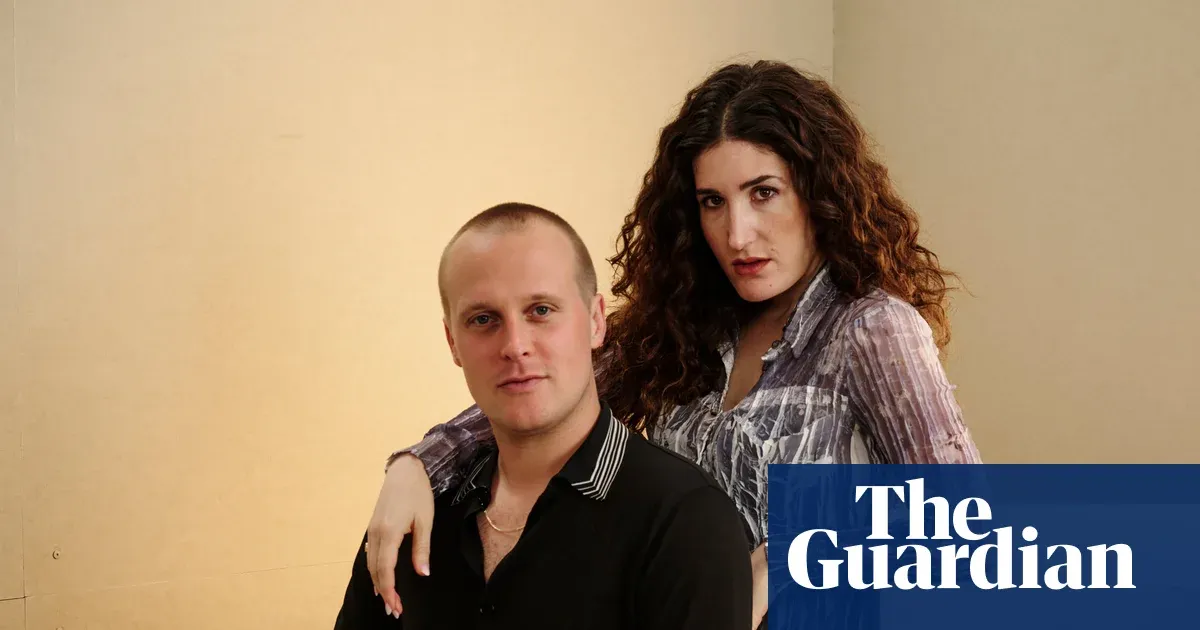
John Early directs and stars in Maddie’s Secret, playing a food influencer with bulimia in a satire-flavored flip of modern melodrama. For decision-makers, it’s a live case study in how tone, audience attachment, and representation can reshape a film’s cultural and commercial risk.
John Early’s directorial debut, Maddie’s Secret, takes a food influencer with bulimia and does the opposite of what influencer satire usually does. Instead of using her pain as a punchline and moving on, Early builds a character you want to protect even as an eating disorder threatens to derail her dream.
Early plays the titular Maddie Ralph as a bright-eyed ingenue, the kind who greets the day like the sun came out just for her, even while she trudges to her job as a dishwasher. The movie sets her up like the leading ladies of ’50s Women’s Pictures: not as a victim with no agency, but as a lovable striver longing for something bigger than the life she has right now. Early’s pitch, as he discussed it ahead of the US release, is explicit about the emotional design. He wanted a character “people feel very endeared to and protective of,” and he says there is something “moving” to him about audiences thinking of Maddie as “not me and as this other being.” In other words, the film is not trying to turn Maddie into a mascot for the creator’s own brand. It’s trying to create a specific kind of attachment, then pressure-test it.
That pressure shows up in the way the satire and the melodrama interlock. Maddie’s goal is straightforward in the language of the modern internet: she wants to share her “gooey, crispy and umami-packed culinary creations with the world as a food influencer.” But the story doesn’t treat the eating disorder as an abstract theme. It threatens to get in the way of the dream that makes her so easy to root for. If the early character beats mirror the uplift fantasy audiences are used to, the tonal swing is what makes it land. The Guardian frames the film as a “wild flip” on the modern melodrama, and that flip matters because it changes what audiences think the movie is “about.” It is not only about bulimia. It is about what a polished online performance can demand from the person inside it.
There is also a clear audience incentive at play, even if no boardroom is in the scene. Early talks about audience reaction at recent festival screenings, describing a kind of public, physical affection you would expect at a celebrity book signing. Fans, he says, were like, “Aw MADDIEEEEEE!” The detail is striking because it signals that people did not merely observe Maddie’s story at a distance. They emotionally claimed her. In film terms, that matters for word-of-mouth, repeat conversations, and the way audiences show up to decide whether the film is “too much” or “just right.” In media terms, it signals that the satirical structure did not neutralize the vulnerability. It amplified it.
For executives and operators, this is a practical lesson in content risk that is also cultural. Satire is often used to keep audiences safe. It gives them permission to laugh and then detach. Maddie’s Secret seems to do the reverse. It uses comedic accessibility to bring audiences close, then keeps them there as the disorder threatens the character’s ability to fulfill the influencer dream. That is a bigger promise than it looks like on paper, because the audience attachment you generate early becomes your obligation later. You cannot wink your way out of representation once viewers have been pulled into “protective” feeling.
This kind of tonal decision also has second-order implications for how platforms and rights-holders handle marketing. When a story bridges comedy and illness, the messaging has to walk a line. The film has to sell the premise and the “influencer satire” hook, while not sanitizing the bulimia plotline that is central to the emotional stakes. Even without quoting any specific marketing strategy, the source tells us the filmmakers are aware of how audiences are thinking about Maddie. Early explicitly wants audiences to see her as “this other being,” which implies care about not collapsing the character into the performer or the brand. That is the kind of framing choice that can influence approvals, classification conversations, and audience expectations across territories.
There are broader industry signals here too. The premise places a very contemporary internet format, the food influencer, inside a classic melodrama template. That fusion is the “wild flip” the Guardian points to: the movie uses a recognizable modern dream (go viral, share food, be seen) and then stresses it with a classic narrative engine (longing, threat, stakes). From a business perspective, it is a hybrid bet on audience literacy. Viewers who understand influencer culture also need to be willing to experience the emotional consequences of it.
So the strategic question for peers is not whether Maddie’s Secret is “funnier” or “darker.” It is whether they can manufacture a durable audience bond without flattening the vulnerability underneath. Early’s comments suggest he believes the bond is the mechanism, not the accident. He wants viewers to feel “very endeared” and then to stay present when the disorder challenges the dream. If that succeeds, it becomes a model for future productions that try to reconcile genre play with real emotional weight. If it fails, the failure mode is immediate: audiences won’t just dislike the movie, they will feel like the emotional contract was broken.
This story's Key Insights and Take-aways are locked.
Create a free account to unlock Executive Actions for one credit.
Register to UnlockAlways free for Executives Club members. Join the Club
More in Entertainment

Reacher season 4 trailer at SDCC 2026 teases a subway death and a high-places villain
Prime Video’s Alan Ritchson returns August 12, with Christopher Rodriguez-Marquette and Agnez Mo drawn into the deadly mess.

Dave Green confirms Coyote vs. Acme Blu-ray, with John Cena outtakes “not PG-rated”
The director promises unruly physical extras, plus a reminder that Warner’s shelving decision still echoes in release strategy.
Nongshim sells KPop Demon Hunters ramen in the US, with Rumi, Zoey and Mira flavors
The Netflix animated film is now a packaged-food lineup, launching state-side instant noodle cups tied to characters.