

John Mayer donates about $5M to PTSD research, aimed at destigmatizing veterans
The Heart and Armor nonprofit has funded studies since 2019 after Camp Lejeune sparked action in 2012.
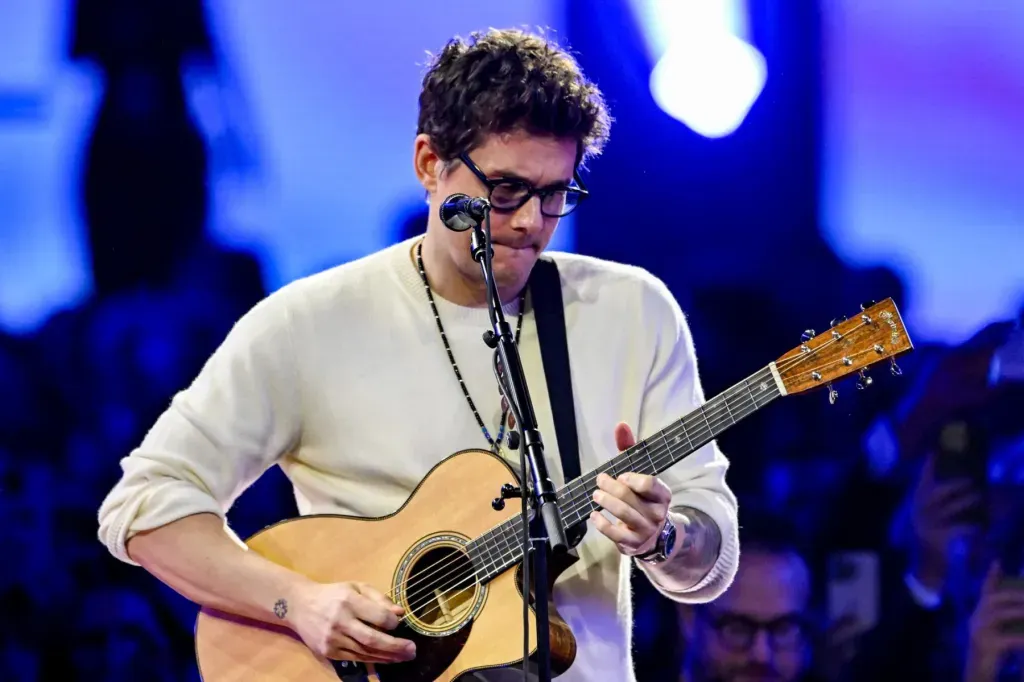
John Mayer has donated approximately $5 million of his own money to PTSD research through his Heart and Armor nonprofit, launched in 2019. For decision-makers, the lesson is how celebrity capital can underwrite rigorous health research and shape public narratives that affect treatment access.
John Mayer has donated approximately $5 million of his own money to fund research into PTSD in veterans, with his Heart and Armor nonprofit targeting both mental and physical symptoms. The emphasis is not just funding studies, it is funding understanding, including the destigmatizing part that often determines whether people seek help.
Mayer’s push is rooted in a specific moment: he says he became inspired to start funding research in 2012 after visiting wounded-warrior barracks at Camp Lejeune in Jacksonville, N.C., in the late 2000s. In a new interview, he described being “so moved” by a conversation with someone with a traumatic brain injury, explaining that seeing the reality of PTSD shifted his definition from something narrow to something “naked” and undeniable.
To be clear, this is not charity-as-branding at full volume. It’s charity with a research agenda. In 2019, Mayer formally launched Heart and Armor, which seeks to advance research on PTSD symptoms experienced by soldiers and to create resources for veterans who need them. According to The Hollywood Reporter, Mayer has commissioned studies touching topics such as exercise, women’s eating habits, and the psychological effects of military sexual trauma. That spread matters because PTSD is not a single-path disease. It can show up as sleep problems, behavioral coping, physical stress responses, and trauma-linked mental health patterns, and those are the kinds of complexities research can actually model.
There’s also a second story inside the first one: destigmatization is often the missing variable in healthcare impact. Mayer said that when you hear stories about how someone with PTSD ends up self-medicating, you understand what people are trying to solve. His example was blunt. “If the only way to sleep after coming home is half a bottle of wine, that’s not choosing drinking over not drinking, you choose sleep over not sleeping.” The point is practical. If the system only talks about “bad choices,” veterans may be left without language for what their body and brain are doing.
For executives and boards, this is where the incentives get interesting. Celebrity involvement can unlock attention and funding, but the hard part is sustaining credibility. Research needs longitudinal designs, careful measurement, and a willingness to test interventions rather than only narrate outcomes. Mayer’s approach, at least as described in the profile, ties money to specific research themes and then pairs it with resources for veterans. That dual structure has a governance vibe: fund the science, then push it toward real-world use.
The timing also tracks the broader direction of modern veteran health conversations, where sleep, comorbidities, and the knock-on effects of trauma are treated as central rather than peripheral. In that context, Mayer didn’t limit himself to writing checks and waiting. In 2025, he held a private concert to raise money for the University of California, San Francisco’s research into the role of sleep in veteran health. He spoke on stage about restored faith from what he heard from attendees, saying, “So thank you very much for being here.” It’s not a clinical claim, but it is a signal that the impact strategy includes community mobilization, not just academic grants.
Mayer also framed his own motivation in a way that reveals why he keeps returning to “useful” work beyond music. He said he gets inspired by famous-person experiences that do not sound like boilerplate, then listed examples like Dudley Moore as a piano player, Shaq as a reserve sheriff, John Travolta as a pilot, Kenny G investing in Starbucks, and the lead singer of Iron Maiden flying the band. He connected that thinking to his own desire to be “of use in some other kind of way,” and he linked the effort to his current work cycle too. He told the publication he is investing time and energy into making a record so that when he comes back out, he will have something to present.
That matters because it hints at something executives recognize: mission-driven funding still has to survive real-world calendars. In tandem with Heart and Armor, he is working on a new album. He last dropped an LP in 2021, reaching No. on the Billboard 200 with Sob Rock. The takeaway is not about chart performance. The takeaway is about time allocation discipline. He is balancing creative output and a nonprofit investment that has already reached around $5 million in his own contributions, backed by commissioned studies and targeted fundraising that extends to research partners like UCSF.
For peers managing brand, capital, or board-level social impact, the strategic stake is simple. If you are investing in health outcomes, you have to think beyond awareness. You need research that can test what actually helps, plus messaging that reduces the shame that keeps people from getting care. Mayer’s story is a reminder that resources can be directed toward the scientific questions behind PTSD symptoms, and that destigmatization is not a side quest. It can be the bridge between data and treatment, between studies and sleep, between “I don’t know what this is” and “someone understands what I’m going through.”
This story's Key Insights and Take-aways are locked.
Create a free account to unlock Executive Actions for one credit.
Register to UnlockAlways free for Executives Club members. Join the Club
More in Entertainment
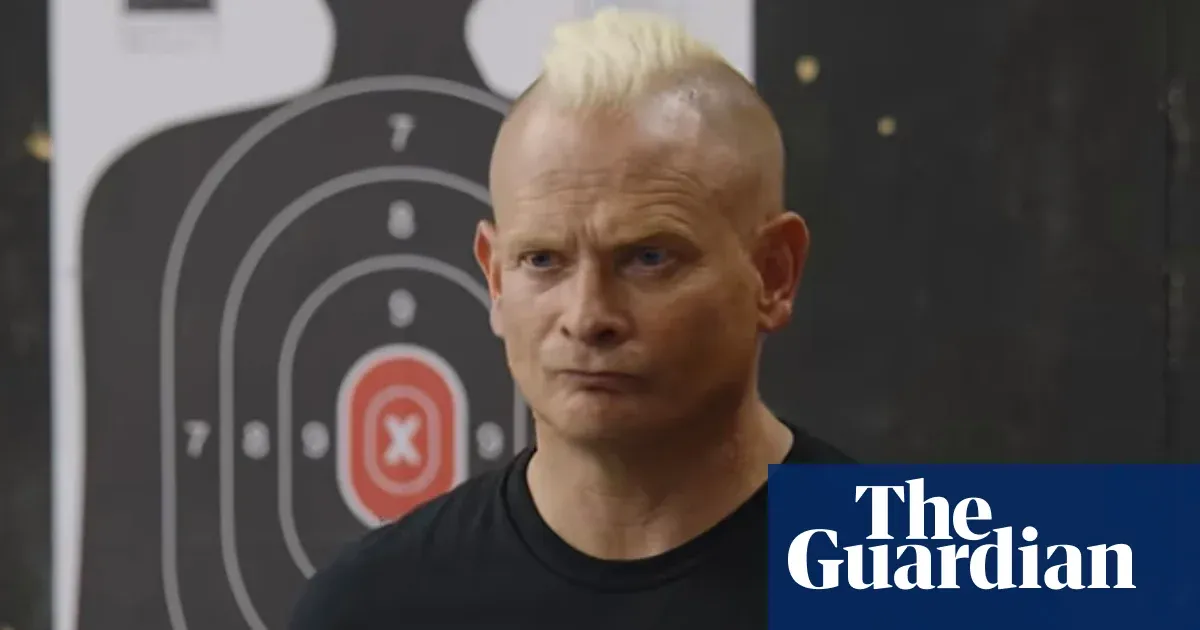
Ali G's 'stooge' says he was in on joke, outplayed Sacha Baron Cohen
A 54-year-old aspiring actor says he recognized Sacha Baron Cohen mid-shoot, kept his MAGA act up, and let the film-makers think they had fooled him.

Entertainer Russell Brand denies 7 sex charges amid accuser's 'couldn't breathe' claim
The alleged victim's account sharpens the reputational and legal stakes for Brand, his platforms, and any business tied to a public figure under criminal scrutiny.

Russell Brand's accuser 'bewildered and confused' as he denies 7 sex charges
The criminal case against the comedian is a live test of how media companies manage talent risk when serious allegations go public.