
Judge lets Minnesota move forward banning ‘nudify’ apps, despite xAI’s block request
A court denied xAI’s attempt to halt Minnesota’s “nudify” app ban, keeping the crackdown on adult image-altering tools alive.
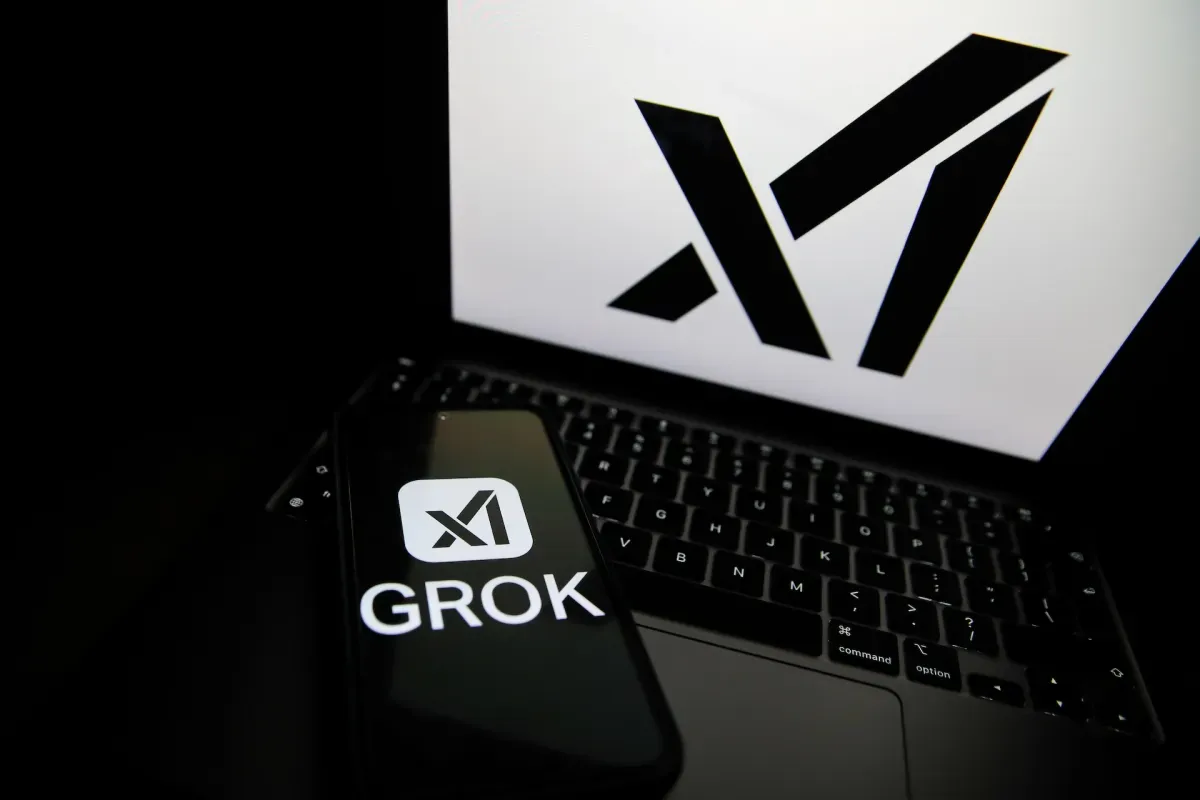
xAI sued to block a Minnesota ban targeting apps that let users “nudify” images. A judge denied xAI’s request to block the ban, allowing it to proceed and raising the compliance stakes for AI image tools nationwide.
Minnesota’s ban on apps that allow users to “nudify” images can move forward, even after xAI asked a judge to stop it. In other words: xAI lost the emergency bid. The judge denied xAI’s request to block the Minnesota ban, so the state’s effort to restrict these “nudify” apps remains in motion.
For decision-makers, the practical impact is immediate. If you run, invest in, or build AI tools that can transform images in ways regulators might characterize as sexualized or non-consensual, this is a reminder that court fights can decide whether a policy pauses or accelerates. A lawsuit does not automatically freeze enforcement, and the denial here signals that Minnesota is not waiting quietly while litigation plays out.
To understand why this matters, you have to zoom out to how these bans typically work. State-level regulators often focus on the user-facing functionality and the likely harm: apps that help users generate or edit adult imagery can be used to create sexual content without consent, target individuals, or bypass safeguards that might exist in more regulated channels. Even when the underlying technology is “just software,” the legal system can treat the product as a lever that enables harmful outcomes. In that framing, the key question for lawmakers is not how the model works, but what the app does for a user and what risk it creates.
xAI’s attempt to block the rule is also a window into incentives. Companies in the AI image space have two overlapping goals that do not always align. First, they want to protect time-to-market and reduce uncertainty. Second, they want to avoid setting precedents where state action becomes a durable template. Emergency requests to block enforcement exist for a reason: if a ban is paused, companies can keep operating without retooling. If the ban is not paused, companies may need to treat compliance, moderation, or product redesign as urgent rather than optional.
This is where boards and executives should pay attention. Even if a company believes the ban is legally shaky, a judge deciding not to block it changes how risk is managed in the near term. Litigation outcomes can take time, but operational decisions cannot. Denial means the company must assume the restrictive policy environment will be real while the case proceeds, at least in Minnesota. That changes rollout planning for new features, impacts user safety and policy teams, and can also influence customer conversations, especially with enterprise partners that do not want to be exposed to regulatory ambiguity.
There is also a broader market signal embedded in this kind of decision. AI image tooling is moving fast, but regulation is moving too, and it is often uneven across states. When one state moves ahead, others watch. Courts do not just decide whether a specific ban is ultimately valid. They also decide whether the ban can take effect now, which affects competitive dynamics. Companies that can comply quickly might gain market share, while those that must redesign workflows or restrictions could face slower growth, higher costs, or constrained distribution.
Second-order implications are particularly relevant for investors and operators. A denial to block enforcement can affect valuation narratives tied to “regulatory overhang.” It can also raise diligence questions: How do these products detect disallowed use cases? What controls exist to reduce non-consensual or exploitative outputs? How are user prompts handled, and what happens when a user’s intent is ambiguous? Those questions become board-level, because the downside is not theoretical. If a ban proceeds, the business may have to alter product behavior in ways that reduce engagement or require additional infrastructure.
For peers building or backing AI image features, the strategic stake is simple. Minnesota has decided not to wait, and the judge has sided with that timeline by denying xAI’s request to block the ban on “nudify” apps. If you are operating in adjacent categories, this should sharpen your compliance calendar. The world is not pausing because a lawsuit is filed. Courts can decide the pace, and here they decided the ban gets to move forward.
This story's Key Insights and Take-aways are locked.
Create a free account to unlock Executive Actions for one credit.
Register to UnlockAlways free for Executives Club members. Join the Club
More in Technology

Google quietly links your phone number to every Android account on your SIM
Adding a SIM now ties your phone number to all Google accounts - and future accounts inherit it. Here's the security and privacy stakes.

Hijacker AI 'Skynet mode' runs 100,000 attack steps against exposed models
Symantec caught a criminal AI agent that borrows other models, steals data, and mines crypto; the only relief is no confirmed victims yet.

Nvidia's AI-financier shift faces its first big test as neoclouds stumble
A rout in neocloud stocks is forcing investors to weigh Nvidia's hidden exposure as both supplier and lender to the AI buildout.