

June 2026: Bungie, Gothic, and Destiny's Sendoff Signal a Shift
The month's mix of massive reveals, service game endings, and genre revivals suggests a pivot toward deep, nostalgic, and community-driven experiences.
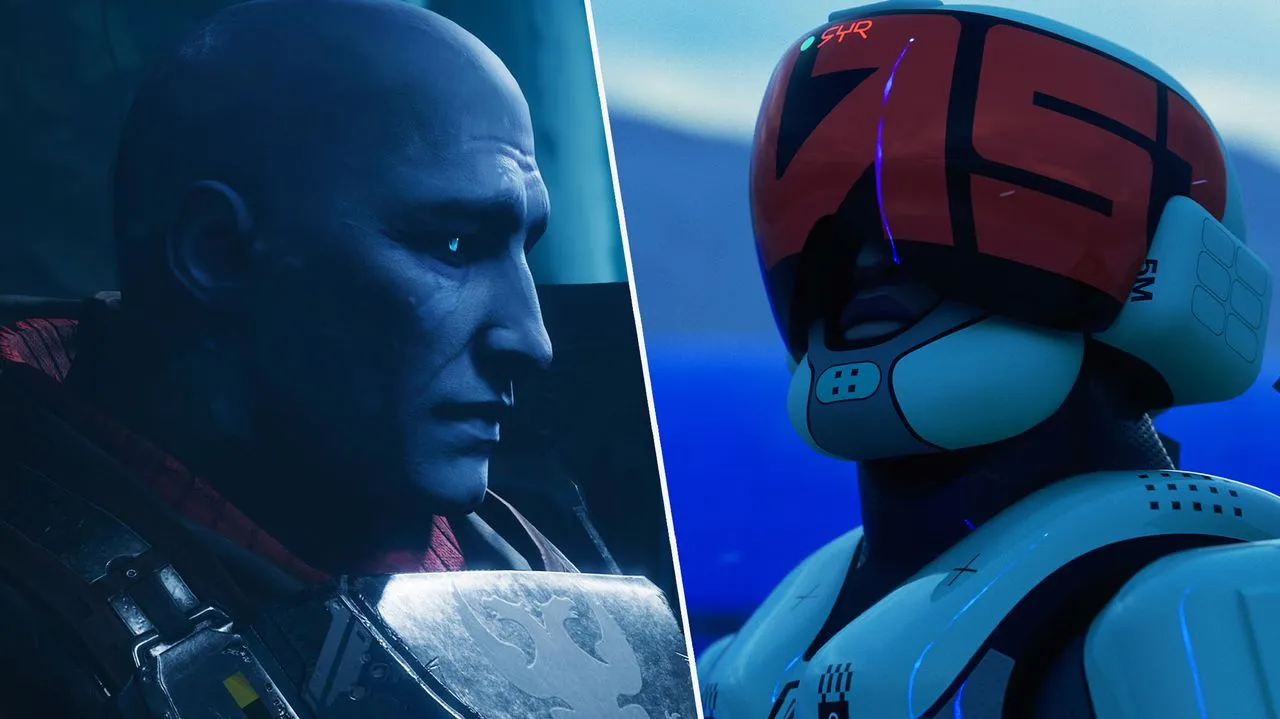
The June 2026 gaming landscape is defined by major updates to established IPs like Final Fantasy 14 and Destiny 2, alongside the revival of classic genres like RPGs and survival crafting. This signals that the industry is prioritizing deep, long-tail engagement and nostalgia over pure novelty.
While June 2026 might feel slow compared to peak announcement cycles, the underlying signals from major releases and industry events point to a strategic pivot toward deep, community-driven, and nostalgic experiences. Key events include the launch of the Gothic 1 Remake on June 5 and the final live service update for Destiny 2 on June 9, both of which underscore a trend of revisiting beloved, foundational IPs. The Gothic Remake, a ground-up overhaul of the 2001 RPG, is positioned to renew interest in 'eurojank roleplaying romps,' a genre niche that thrives on deep lore and complex systems, much like the sentiment surrounding Destiny 2's final sendoff. This suggests that developers are betting on the emotional resonance of established worlds and mechanics, rather than solely relying on groundbreaking new concepts. The emotional weight attached to Destiny 2's conclusion, even for a game played for only a week at launch, highlights the power of MMO camaraderie and long-term service game investment-a factor that is increasingly valuable to both players and publishers.
This focus on deep engagement is visible across multiple genres. Solarpunk, launching on June 8, brings an eco-conscious element to survival crafting, emphasizing classic farming sim mechanics and a building system that encourages sustained play. Similarly, the inclusion of the Gothic Remake and the launch of the Infinite Museion expansion for Warhammer 40,000: Rogue Trader on June 11 shows a clear industry appetite for complex, systemic gameplay loops. The industry's annual pilgrimage to Los Angeles for Summer Game Fest, starting June 5, remains the central hub for announcements, but the nature of the announcements this year-from the Dead by Daylight 10th Anniversary Party on June 14 to the Xbox Games Showcase on June 7-suggests a more curated, IP-focused approach. The sheer volume of reveals, including early access titles like Fatekeeper and Starseeker: Astroneer Expeditions, confirms that the pipeline is full, but the focus is on depth, not just breadth.
Beyond the major AAA titles, the month is a rich tapestry of niche, high-concept, and retro-inspired gaming. The launch of Burglin' Gnomes on June 10, described as a 'ridiculous friendslop game,' and the revival of the gas station concept in Shift at Midnight on June 16, demonstrate that viral, low-stakes, and highly social experiences remain potent revenue streams. These games are built for group play and immediate, shared fun, contrasting with the massive commitment required by the service games. Furthermore, the inclusion of the R-Type Tactics I - II Cosmos on June 16 and the Metroidvania Maseylia: Echoes of the Past on June 19 shows a strong resurgence in classic, mechanically focused genres. This isn't just about graphics; it's about the core gameplay loop.
The service game model, exemplified by Final Fantasy 14's expansion of the Dawntrail endgame on June 2, remains a massive pillar of the industry. The continuous need for endgame content, such as the ultimate raid arena for iconic villains, proves that player retention is tied to continuous, high-stakes narrative progression. This model requires massive, predictable content expenditure, which is a key consideration for any publisher managing a long-term IP. The Dead by Daylight 10th Anniversary Party on June 14, featuring the addition of Jason, reinforces the value of iconic, evergreen horror IPs that can sustain content drops for years.
For the independent and mid-sized developer, June offers a diverse proving ground. The early access launches-from the cozy crafting sandbox OddFauna on June 2 to the psychedelic FPS GoblinAmerica on June 17-show that the market is receptive to highly stylized, unique concepts that build community around a specific aesthetic or feeling. The variety of niche launches, including the NBA The Run on June 9 and the specialized management sim Copa City on June 16, indicates that hyper-specific, single-purpose games can find dedicated audiences, provided the core mechanic is polished and the community hook is strong. The sheer density of Steam sales and Next Fest events (June 8-15 and June 15-22) confirms that the distribution channels are highly active, making it a prime time for smaller studios to gain visibility and test market interest before a full launch.
Ultimately, the strategic takeaway for decision-makers is that the market is maturing past the 'novelty' phase. Success in 2026 hinges on mastering the balance between deep, systemic complexity (like Gothic 1 or Rogue Trader) and highly accessible, emotionally resonant social experiences (like Burglin' Gnomes or Dead by Daylight). The industry is demanding both the epic commitment of a service game and the immediate, satisfying payoff of a perfect co-op session. The confluence of these forces suggests that the most successful titles will be those that can build a strong, lasting community around a core, repeatable, and deeply satisfying gameplay loop, whether that loop is farming, fighting, or simply breaking into a neighbor's house.
This story's Key Insights and Take-aways are locked.
Create a free account to unlock Executive Actions for one credit.
Register to UnlockAlways free for Executives Club members. Join the Club
More in Entertainment

Christopher Nolan’s “The Odyssey” posts his biggest Tuesday haul, surpassing “The Dark Knight’s” record
The film’s Tuesday breakout reframes Nolan’s box-office ceiling and forces competitors to rethink timing, budgets, and release strategy.

Kacey Musgraves cancels Aug. 20, 29, Sept. 2 Middle of Nowhere shows
Ticketmaster emails are telling fans refunds are coming, while the tour still starts Aug. 21 in Chicago.

Billie Joe Armstrong launches Epiphone Les Paul Junior and Marshall 1959BJA signature gear
Two limited releases turn decades of Green Day’s tone into branded hardware, including Marshall’s first artist amp in 14 years.