

June 2026 Patch Tuesday fixes Windows Search: two-character file names show up again
Microsoft lowers the Windows Search minimum from three characters to two, and quietly re-ranks results to make short labels usable.

Microsoft’s June 2026 Patch Tuesday update fixes a long-running Windows Search irritation by letting the search box find files with as few as two characters. For IT leaders and anyone managing device productivity, this changes everyday file discovery and the practical reliability of desktop search workflows.
Microsoft’s June 2026 Patch Tuesday update quietly fixes a Windows Search irritation that has frustrated users for a long time: the search box now finds files with as few as two characters. That’s down from the previous three-character minimum, meaning file names like “Q3,” “V2,” or other short labels are no longer invisible.
This sounds small, until you think about how many real-world file names are short by necessity. Version tags, quarter abbreviations, project codes, and fast identifiers are often exactly the two-character or three-character style that used to get you blank results. With the June 2026 change, Windows Search stops hiding those items just because they start with a short label. If your team depends on desktop search to move quickly, the update removes a friction point that used to silently turn “I know it’s in there” into “I’ll have to click around instead.”
Microsoft also changed how search results are ranked. The source notes that the update alters results ranking alongside the two-character discovery fix. That matters because search is not just about whether the right file appears, it is about whether it surfaces at the top of the list in a way that matches how people actually scan. When ranking changes, the “first result” behavior can shift. So even teams that never complained about the three-character minimum may still notice the feel of search improving or behaving differently for the same queries.
Zoom out and this becomes a practical reliability story for enterprise operations. Windows Search is often part of the invisible infrastructure of knowledge work. People build habits around it. They name documents in predictable ways, then they search for those names when time matters. When the system enforces an odd constraint, it forces workarounds: longer names, different naming conventions, or manual navigation. Over months and years, those workarounds accumulate into policy and muscle memory. Removing the two-character blind spot means organizations can simplify naming practices instead of teaching everyone to pad filenames just to make them searchable.
There is also a governance angle here, even if the update is “quiet.” Desktop search behavior affects how fast people can locate specific versions, attachments, or local working documents. That can influence operational throughput in places where document control already has strict expectations. If a team has ever tried to audit what exists on a machine and used search to do it, a longer minimum constraint would have made partial matches and shorthand labels harder to find. Lowering the threshold and adjusting ranking can change how complete those ad hoc searches feel, and that in turn can affect how confidently people rely on what the search results show them.
The source also frames the change as coming through Microsoft’s June 2026 Patch Tuesday update, which is the company’s regular cadence for shipping security and maintenance fixes. That matters for decision-makers because it means the change likely arrives bundled with other updates, and it will land on managed fleets according to the same change control processes as everything else. In other words, this is not just a quality-of-life tweak for home users. It is an enterprise update that IT teams will likely schedule, validate, and potentially communicate internally as part of standard rollout.
For leaders, the second-order implication is that “search” is now an area worth including in endpoint acceptance testing and user training. When minimum query lengths change and ranking shifts, it can affect real workflows, including how quickly employees retrieve local files. Even without any visible UI change, people will interpret the update through results they see. The safest approach for boards and execs is not to overcomplicate it, but to recognize that small search behavior changes can measurably change productivity patterns, especially in departments where speed and retrieval are daily bottlenecks.
In short, Microsoft’s June 2026 Patch Tuesday update takes away a long-standing Windows Search irritant by letting two-character file names show up again, and it also revises how results are ranked. Executives who care about operational efficiency should treat this like what it is: a subtle but real improvement to the everyday tooling that determines whether “I’ll find it” takes five seconds or five minutes.
This story's Key Insights and Take-aways are locked.
Create a free account to unlock Executive Actions for one credit.
Register to UnlockAlways free for Executives Club members. Join the Club
More in Technology

Nvidia's $89B data center quarter: the 9 companies cashing in
The AI buildout is minting fortunes beyond GPUs, and memory, cloud, and cooling suppliers are riding the same wave.
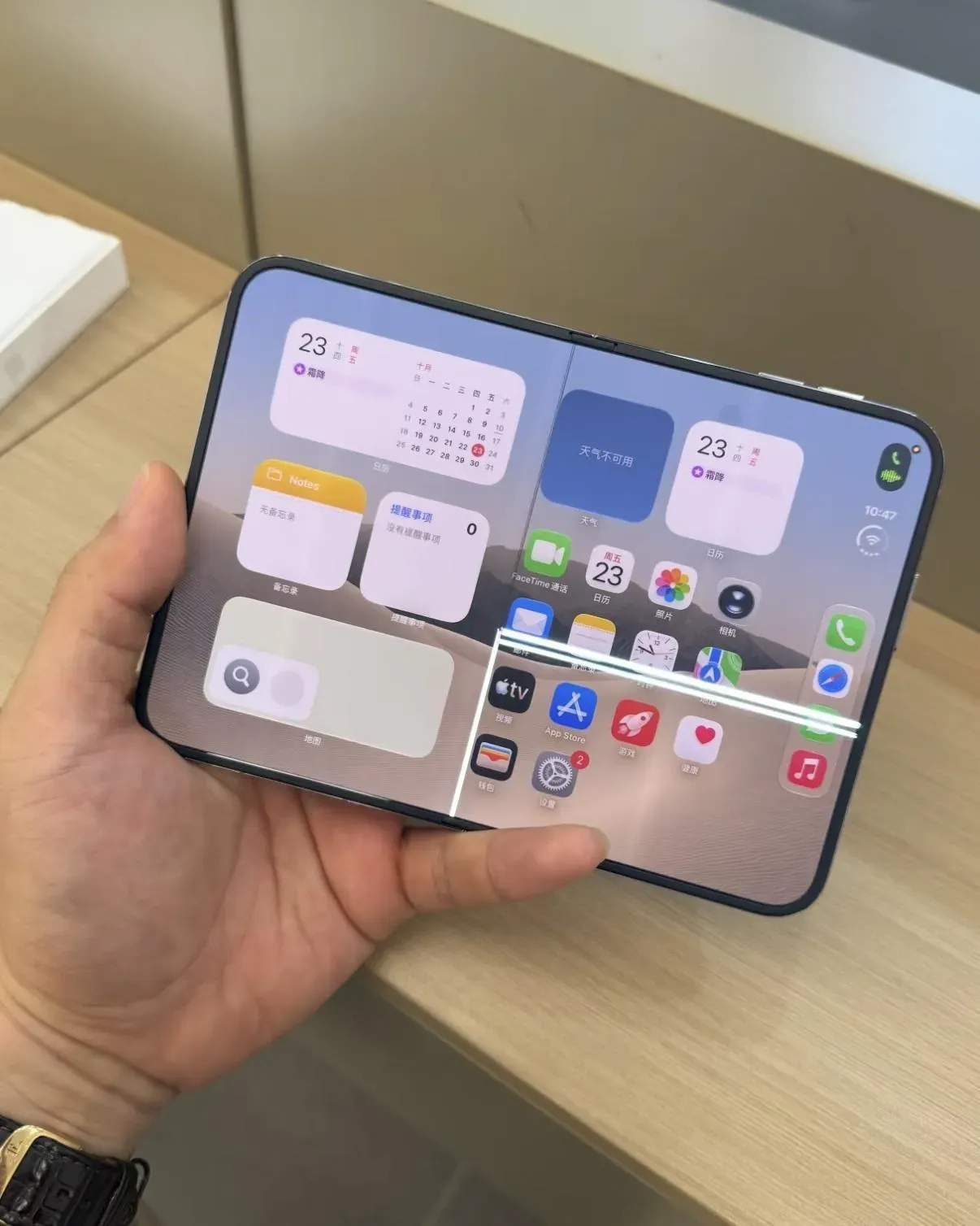
A YouTuber dissected the iPhone Duo and thinks he found crackgate's cause
CuriousHagi's teardown of Apple's foldable reveals a gear-like hinge that may explain why screens crack in the same spot within hours.

Google quietly links your phone number to every Android account on your SIM
Adding a SIM now ties your phone number to all Google accounts - and future accounts inherit it. Here's the security and privacy stakes.