
Justin Gaethje shuts down Topuria rematch, targets a 2027 fight after UFC Freedom 250 win
The lightweight champ confirms his next chapter, and it changes how contenders, promoters, and broadcasters plan their timelines.
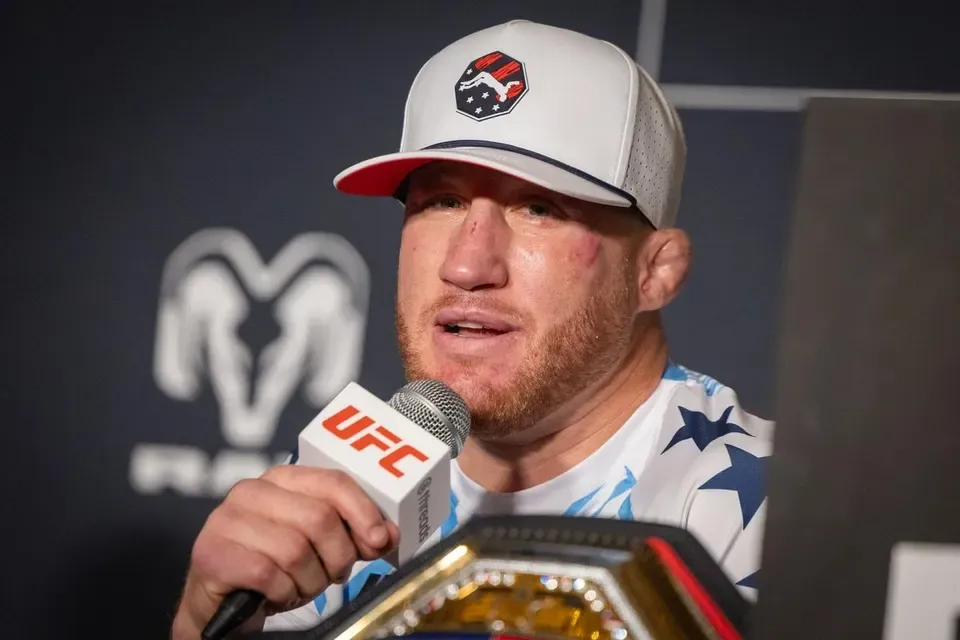
Justin Gaethje, the UFC lightweight champion, told Joe Rogan he is planning to fight again after beating Ilia Topuria at UFC Freedom 250. He shut down the idea of a rematch and indicated he is eyeing a 2027 return, reshaping the fight ecosystem's scheduling incentives.
Justin Gaethje just made the fight calendar a whole lot easier to read, and a whole lot harder to predict. After his win over Ilia Topuria at UFC Freedom 250, Gaethje told Joe Rogan that he is planning to fight again. Then he added the part that matters most for everyone watching the sport like a business: he shut down the rematch.
In the same conversation, Gaethje also signaled timing, saying he is eyes a 2027 return. That is not a small detail in a sport where momentum, viewership windows, and matchmaking politics can make or break a year. For decision-makers across the UFC ecosystem, the takeaway is simple: the championship picture may not be solved quickly by default repeat fights, and whoever wants Gaethje's next fight has to think in seasons, not in weeks.
To understand why that is such a big deal, look at how UFC matchups typically get decided. Titleholders sit at the center of a market that is half athletic contest, half scheduling machine. A rematch clause is basically a shortcut: it reduces uncertainty, keeps storylines warm, and lets promoters market certainty. Shutting it down forces the system to pivot. Contenders cannot rely on the “we'll just run it back” safety net. Instead, they have to earn position under a new timeline, where Gaethje's attention is the scarce resource.
Now add the incentives. Fighters at the top are balancing risk, career longevity, and contractual realities, even when those mechanics are not fully visible to the public. From a promoter standpoint, a title fight is a high-value product. But product planning depends on predictable lead times, especially when television slots, sponsorship commitments, and arena logistics are involved. If a champion signals a longer runway, everyone downstream has to decide whether to hold, chase, or build alternate storylines that keep audiences engaged until the champion returns.
There is also the regulatory framing that sits underneath all of this. UFC events involve athletic commission approvals for bout cards, and fighters need medical clearances and licensing processes that can affect availability. Even when the source does not spell out commission specifics, the structure matters because the sport cannot just “schedule tomorrow” like a regular business meeting. A champion targeting a 2027 return suggests Gaethje is thinking beyond the immediate regulatory cycles and into how long it can take to line up the right opponent, the right body readiness, and the right event conditions.
Strategically, Gaethje's stance also shifts how the lightweight division markets itself. In combat sports, the division's narrative is often powered by unresolved questions: who beats whom, who improved, who was robbed, who is ready. When the champion rules out an immediate rematch with Topuria, it effectively closes one storyline door and forces the UFC to open a different one. That can be good for the division's depth, because it elevates new matchups, but it can also create pressure on rising contenders to perform now, not later.
For other fighters and their teams, the second-order effect is incentive alignment. If Gaethje is not returning on the fast track to settle the last matchup, then contenders need to treat performance as currency with a longer shelf life. A win might still matter, but the path to a title shot may require additional “proof events” rather than a single rematch cycle. For investors and partners watching the sport as an entertainment business, the implication is similar: predictable champion timelines can stabilize planning, but they can also create gaps that have to be filled with credible interim content.
The most important stake here is that Gaethje is telling the market what he wants, and the market has to comply. By planning to fight again, shutting down the rematch, and eyeing a 2027 return after his Freedom 250 win, he is effectively setting the constraints for matchmaking and promotional strategy. If you operate anywhere in this ecosystem, this is not just a sports update. It is a scheduling signal from the top of the pyramid, and it will ripple through every contender's plan and every company's programming calendar until the next champion-linked moment becomes unavoidable.
This story's Key Insights and Take-aways are locked.
Create a free account to unlock Executive Actions for one credit.
Register to UnlockAlways free for Executives Club members. Join the Club
More in Business

Accenture’s $4.18bn play fails as AI fears spark a 20% worst-ever stock plunge
On Thursday, Accenture hit its biggest one-day drop on record after forecasting worries that AI could hollow out consulting.

SpaceX stock jumps 3% after it overtakes Amazon’s market cap
CNBC says SpaceX’s shares surge following its IPO Friday, forcing investors to reprice what “space” and “AI” are worth.
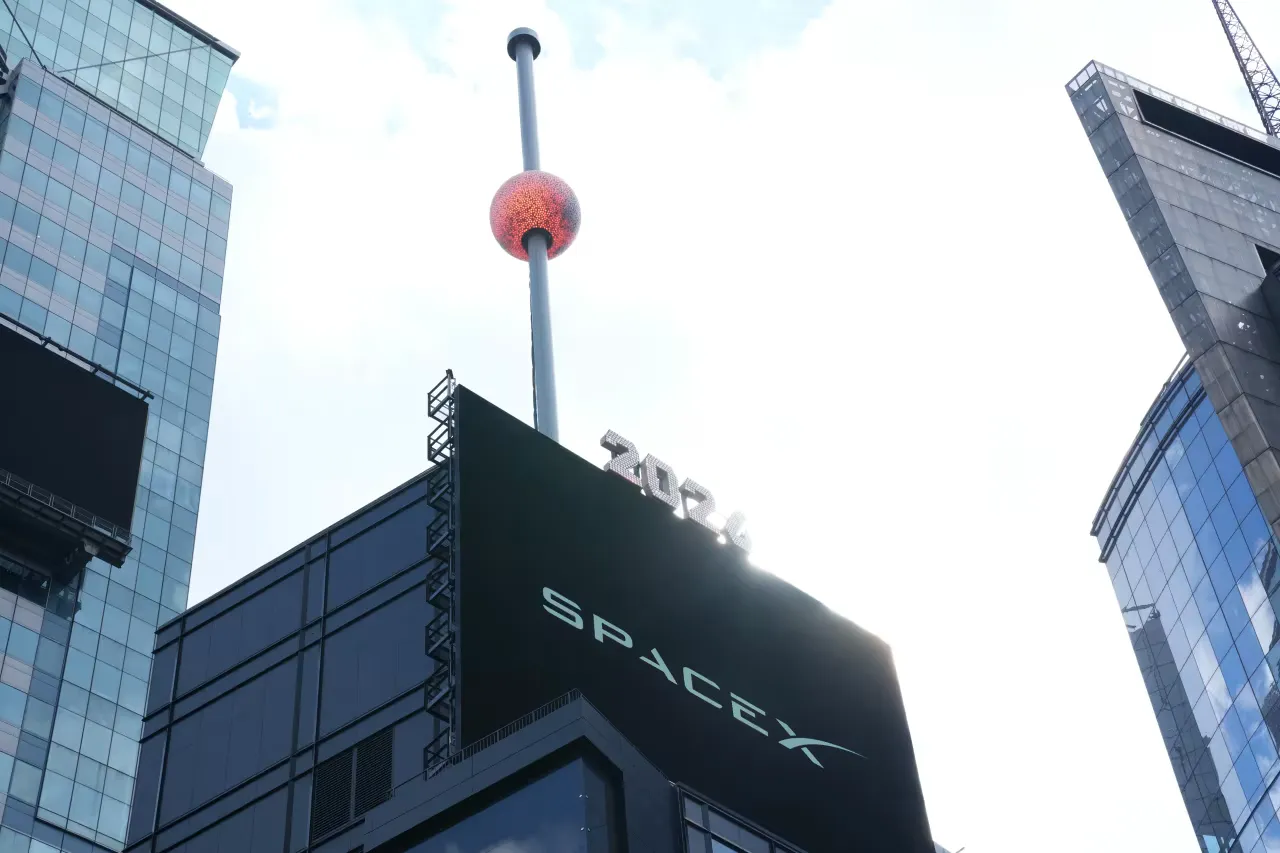
SpaceX’s first options day breaks U.S. records after a $85B IPO win
Big IPO, bigger options debut: what it means for investors, risk teams, and anyone benchmarking market appetite.