
Karen O sings on The Avalanches' “Blue Shadows” after a sample was rediscovered
A lost idea finds Karen O, ties back to Blue Gas, and turns into a single that “always existed.”

The Avalanches have reunited with Yeah Yeah Yeahs frontwoman Karen O on their collaborative single “Blue Shadows.” The track’s vocals arrive after a near-lost idea by Andy Szekeres resurfaced, and the result is positioned as both haunting and instantly familiar.
The Avalanches have reunited with Karen O on the collaborative new single “Blue Shadows,” and the reason this matters is baked into the story: an idea nearly lost to time was rediscovered in an old folder, and then reassembled into a track that “somehow sounds as if it always existed.” That is not marketing fluff in this case. It’s the literal framing The Avalanches gave for how the song came together, including why they think Karen O’s vocal performance is so uncanny it feels pre-installed in the music universe.
Robbie Chater, speaking for the Melbourne electronic outfit, explained that “Blue Shadows” began as Andy Szekeres’ idea that was “almost lost to time.” Chater said Tony Di Blasi stumbled across it in an old folder and began championing it as a potential album song. The sonic foundation was also specific: the track is built around a sample of “Shadows From Nowhere” from early-’80s Italo act Blue Gas. The end product is the kind of emotional mismatch that electronic music fans live for, a haunting, soulful cut anchored in something older, then pulled forward with Karen O’s voice. In the lyric shown by NME, O sings lines including “Long go nowhere that far / Nowhere that far / Arms I want to / Long go holding that star / Holding that star / Close as you want to / For you,” which land as forlorn rather than flashy.
Karen O’s involvement is also positioned as the natural next step after an earlier connection. NME notes she featured on “Dial D For Devotion” from The Avalanches’ third studio album, 2020’s We Will Always Love You. So this is not a random cameo. It’s a continuation of a working relationship where one collaboration apparently created enough trust for a second, bigger moment: Robbie Chater said he included the song idea in a selection of tracks for Karen, and that he “never imagined a vocal would be possible,” because the demo had “such a peculiar, singular mood.” Then Karen O recorded anyway, and he added that what she recorded “still amazes me after months of listening.”
If you’re an executive, the fun part is that this reads like a case study in creative supply chains. You have an original idea that nearly gets buried. You have a champion who finds it again. You have rights and access to the past sound itself, credited here via “the kindness of Claudio Casalini and the estate of [Blue Gas’] Celso Valli.” And you have the talent layer, where the hardest part is not building the machine, it is finding the voice that makes the machine sing in the right emotional key. Tony’s dream becomes feasible only after the rights puzzle aligns with the right vocal partner. That’s a repeatable pattern across the music industry, from label A and R decisions to catalog management and sample clearance workflows, even if the names and timelines differ.
The Avalanches themselves describe the finished track with near-mystical confidence. Chater says “I don’t know how that is possible, or what she was channelling,” then lands on the quote: “Some people just have access to a higher plane I suppose!” Karen O, for her part, shares a more straight-line rationale. When Robbie sent her “Blue Shadows,” she “jumped at the chance to collaborate.” She also calls We Will Always Love You “a gift to humanity in 2020” and says she’ll “count it as one of my Top 10 forever.” She adds: “The Avalanches' frequency is high, I’m so happy to be asked to slide into it.”
On the product calendar, “Blue Shadows” is not arriving alone. NME says it comes on the heels of The Avalanches’ collaboration with Jamie xx, “Every Single Weekend,” released last month. In May, they dropped “Together” featuring Nikki Nair, Jessy Lanza and Prentiss. They also recently performed at Primavera Sound Barcelona and announced a run of London headline shows as part of Pitchfork Music Festival in November. Earlier this year, they hosted a surprise “free party” in the capital. In other words, the release is part of a broader momentum engine, not an isolated single.
Now zoom out to the strategic stakes for decision-makers. This is what happens when a brand treats catalog and collaboration as an ongoing platform rather than one-off events. When your competitive edge is built on taste plus timing, the boardroom questions shift from “Will it chart?” to “Can we keep assembling the right ingredients in the right sequence?” The Avalanches’ story implies yes, but with constraints: lost ideas can die, samples require clearance, and vocals need the right artist fit. Executives in media, labels, artist management, and even adjacent tech companies watching creator economies can take the signal here. The long-term value is not just in making new work. It is in resurfacing old work, re-licensing it properly, and giving it a modern emotional target with the right collaborator.
And for peers thinking about their own creative pipelines, the second-order lesson is simple: “Blue Shadows” wasn’t inevitable. It was saved by a specific person finding a folder, then enabled by clear access to underlying material, then completed by a vocal performance that even the team says shouldn’t have been possible from the demo alone. That’s the kind of high-odds alchemy executives usually want to systematize. In this case, they cannot systematize the magic. But they can systematize the conditions under which magic gets a chance to happen.
This story's Key Insights and Take-aways are locked.
Create a free account to unlock Executive Actions for one credit.
Register to UnlockAlways free for Executives Club members. Join the Club
More in Entertainment
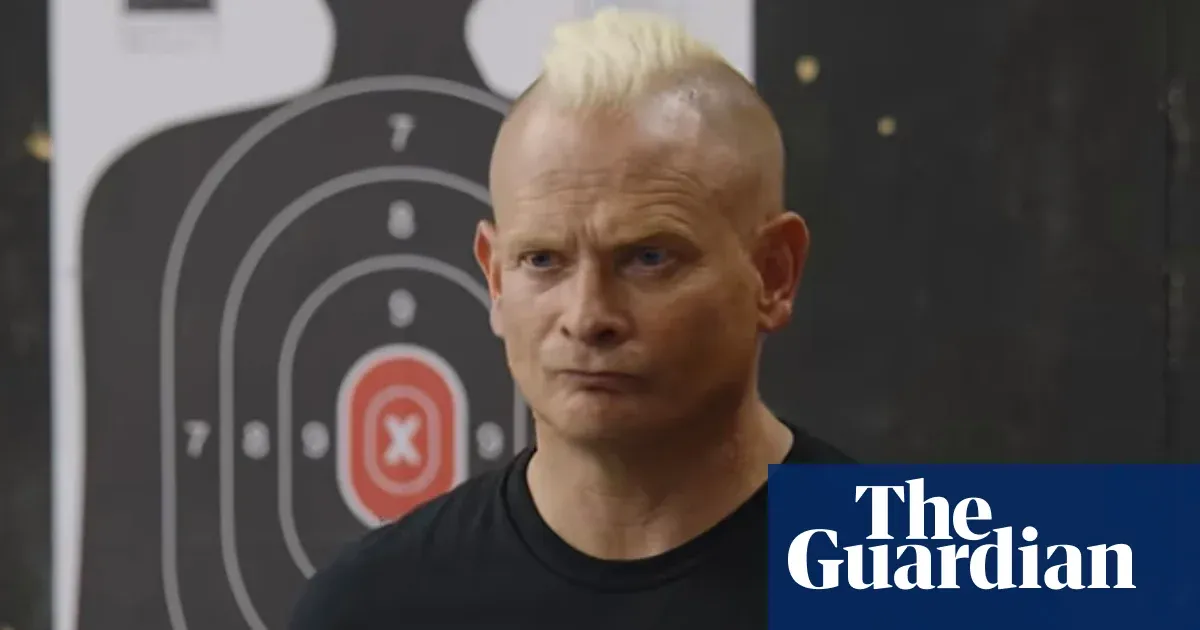
Ali G's 'stooge' says he was in on joke, outplayed Sacha Baron Cohen
A 54-year-old aspiring actor says he recognized Sacha Baron Cohen mid-shoot, kept his MAGA act up, and let the film-makers think they had fooled him.

Entertainer Russell Brand denies 7 sex charges amid accuser's 'couldn't breathe' claim
The alleged victim's account sharpens the reputational and legal stakes for Brand, his platforms, and any business tied to a public figure under criminal scrutiny.

Russell Brand's accuser 'bewildered and confused' as he denies 7 sex charges
The criminal case against the comedian is a live test of how media companies manage talent risk when serious allegations go public.